(Nguồn: English Collocations In Use Intermediate)
Chủ đề Yêu cầu và Từ chối là những chủ đề quen thuộc và có liên quan đến đời sống hàng ngày của mỗi chúng ta. Nhưng liệu rằng các bạn đã biết hết những cách diễn đạt hay về chúng trong Tiếng Anh? Bạn có biết có những từ nào sẽ đi với từ “Deny” không?
Hãy cùng IZONE học những cụm từ diễn đạt hay về chủ đề Khởi đầu và Kết thúc trong bài viết này nhé
A. Making accusations

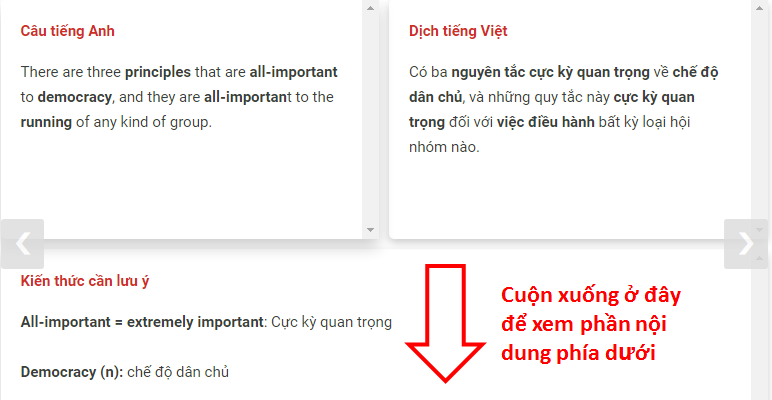
A government minister is today facing accusations of taking bribes. There have been heavy hints about this for some time. An article in The Moon last week clearly implied that a top political figure was involved in a scandal and dropped a number of broad hints as to who it was. A leaked document published in today’s Moon, however, makes a number of serious allegations, which openly accuse the Minister of corruption. The Minister has issued a statement, saying the claims are unfounded. He claims that he has been wrongly accused by The Moon because of its long-running battle with the government.
(Nhấp vào đây để xem hướng dẫn)
A government minister is today facing accusations of taking bribes.
Một thủ tướng chính phủ đang đối mặt với các cáo buộc về việc nhận hối lộ ngày hôm nay.
facing accusations: đối mặt với các cáo buộc
There have been heavy hints about this for some time.
Đã có những ám chỉ rõ nét về việc này trong một khoảng thời gian.
heavy hints: những ám chỉ rõ nét
An article in The Moon last week clearly implied that a top political figure was involved in a scandal and dropped a number of broad hints as to who it was.
Một bài báo trong tờ “Mặt trăng” tuần trước đã ám chỉ một cách rõ ràng rằng một nhân vật chính trị cấp cao đã vướng vào một vụ bê bối và đã ám chỉ một cách rõ ràng về việc đó là ai.
clearly implied: ám chỉ một cách rõ ràng
dropped broad hints: ám chỉ một cách rõ ràng
A leaked document published in today’s Moon, however, makes a number of serious allegations, which openly accuse the Minister of corruption.
Một văn kiện bị lộ được công bố trên tờ “Mặt trăng” ngày hôm nay, đã đưa ra hàng loạt những lý lẽ sắc bén, những thứ mà đã công khai buộc tội Thủ tướng việc tham nhũng.
leaked document: văn kiện bị lộ
makes serious allegations: đưa ra những lý lẽ sắc bén
openly accuse: công khai buộc tội
The Minister has issued a statement, saying the claims are unfounded.
Thủ tướng đã công bố một bản tường trình, nói rằng các cáo buộc là vô căn cứ.
issued a statement: công bố một bản tường trình
the claims are unfounded: các cáo buộc là vô căn cứ
He claims that he has been wrongly accused by The Moon because of its long-running battle with the government.
Ông ta cho rằng ông đã bị cáo buộc sai bởi tờ “Mặt trăng” do trận chiến dài hơi của nó với chính phủ.
wrongly accused: bị cáo buộc sai
long-running battle: trận chiến dài hơi
B. Putting forward a point of view

Jones puts forward an interesting theory of language learning, backing up his argument with thorough data. Fully accepting the fact that different learners find different methods useful, Jones makes the point that motivation is the key factor in most learners’ success. Although this has been widely acknowledged in general terms for some time, Jones is more precise than most, stating clearly that motivation is more important than all other factors, and substantiating this claim with impressive data.
(Nhấp vào đây để xem hướng dẫn)
Jones puts forward an interesting theory of language learning, backing up his argument with thorough data.
Jones đề xuất một lý thuyết thú vị về việc học ngôn ngữ, củng cố luận điểm của mình bằng các dữ liệu đầy đủ và chi tiết.
puts forward: đề xuất
backing up argument: củng cố luận điểm
Fully accepting the fact that different learners find different methods useful, Jones makes the point that motivation is the key factor in most learners’ success.
Hoàn toàn chấp nhận sự thật là những người học khác nhau thấy các phương pháp khác nhau hữu ích, Jones đưa ra quan điểm là động lực là yếu tố then chốt trong thành công của hầu hết người học.
Fully accepting: Hoàn toàn chấp nhận
makes the point: đưa ra quan điểm
Although this has been widely acknowledged in general terms for some time, Jones is more precise than most, stating clearly that motivation is more important than all other factors, and substantiating this claim with impressive data.
Mặc dù điều này về cơ bản đã được công nhận rộng rãi trong một thời gian, Jones chi tiết hơn hầu hết mọi người, khi đề cập rõ ràng rằng động lực quan trọng hơn tất cả các yếu tố khác, và chứng minh lời khẳng định này với những dữ liệu ấn tượng.
widely acknowledged: được công nhận rộng rãi
stating clearly: đề cập rõ ràng
substantiate claim: chứng minh lời khẳng định
C. Denying

| Collocation | Example |
|---|---|
| strongly deny | The PM strongly denied claims of corruption made against him. |
| deny charges / an accusation | Despite the evidence against him, the accused denied the charges. |
| deny a rumour / an allegation | The pop star has denied all the rumours about her marriage. |
| disclaim responsibility | The hotel disclaims all responsibility for guests’ vehicles |
| reject an idea / a suggestion | Ann rejected all Joe’s suggestions about how to decorate their flat |
| run contrary to | The research findings run contrary to popular belief. |
| contradictory evidence/advice | Contradictory evidence made it hard for the jury to reach a verdict. |
(Nhấp vào đây để xem hướng dẫn)
The PM strongly denied claims of corruption made against him.
Thủ tướng đã phủ nhận một cách mạnh mẽ các khẳng định về tham nhũng được đưa ra để chống lại ông.
strongly denied: phủ nhận một cách mạnh mẽ
Despite the evidence against him, the accused denied the charges.
Bất chấp những bằng chứng chống lại mình, kẻ bị buộc tội vẫn phủ nhận các cáo buộc.
denied the charges: phủ nhận các cáo buộc
Ngôi sao nhạc pop đã phủ nhận tất cả các tin đồn về cuộc hôn nhân của cô.
denied all the rumours: phủ nhận tất cả các tin đồn
denied all the rumours: phủ nhận tất cả các tin đồn
The hotel disclaims all responsibility for guests’ vehicles.
Khách sạn đã từ chối mọi trách nhiệm về phương tiện giao thông của khách.
disclaims all responsibility: từ chối mọi trách nhiệm
Ann rejected all Joe’s suggestions about how to decorate their flat.
Ann đã bác bỏ tất cả các gợi ý của Joe về việc trang trí căn hộ của họ thế nào.
rejected suggestions: bác bỏ gợi ý
The research findings run contrary to popular belief.
Các khám phá nghiên cứu lại đi ngược lại với niềm tin của dân chúng.
run contrary to: đi ngược lại với
Contradictory evidence made it hard for the jury to reach a verdict.
Các bằng chứng mâu thuẫn khiến bồi thẩm đoàn khó mà đi tới một phán quyết được.
Contradictory evidence : Các bằng chứng mâu thuẫn
D. Exercise
Bài 1: Hoàn thiện các câu, sử dụng các kết hợp từ ở mục A trong phần Lý thuyết
1. A provided the press with information about the government’s secret plans.
2. Management has been having a with trade union representatives over a number of aspects of employees’ rights.
3. I’m going to get my son a racing bike for his birthday. He’s been dropping about what he wants for some time.
4. At the end of the three-day meeting a spokesperson will to inform the press about any agreements that have been signed.
5. A front-page article in today’s paper is making some about the behaviour of some top international bankers.
6. The article did not name anyone directly but it who was involved.
Bài 2: Điền vào các chỗ trống trong trích đoạn từ một bài báo khoa học sau đây
In his latest article on the free market Milton King puts (1) ____________ some original theories. He (2) ____________ earlier ideas which up until now most economists have accepted without question. He (3) ____________ some fascinating points based on his own extensive research which is widely (4) ____________ as an important contribution to economic thought. The data from his research (5) ____________ up his theories and help to (6) ____________ his claim that modern economies would benefit from major reforms.
1.
2.
3.
4.
5.
6.
Bài 3: Thay các từ agree và accept bằng dạng đúng của một trong các từ sau đây: deny, reject, hoặc refuse để tạo nghĩa đối lập cho câu.
1. The politician agreed that the allegations made against him were true. =>
2. I think we should accept Jill’s invitation to their New Year’s Party, don’t you? =>
3. Hill accepts the theories put forward by Jackson. =>
4. Katie agreed that she had been present at the meeting. =>
5. I hope they will accept my offer of help. =>
Bài 4: Viết lại mỗi câu sử dụng từ trong ngoặc, sao cho câu vẫn giữ nguyên nghĩa gốc
1. We are not responsible for valuables that are not left in the hotel safe. (disclaim) =>
2. The pop star insisted that there was no basis to the claims made against him. (unfounded) =>
3. Jones’s views do not accord with the facts. (run) =>
4. The newspaper clearly suggested who the actor’s new partner was. (dropped) =>
5. John insisted that what people were saying about him was untrue. (denied) =>
6. Whatever idea I suggest, Daniel says it is no good. (rejects) =>
7. I don’t know what to do, as everyone keeps suggesting I do something different. (contradictory) =>
8. The student is being accused of cheating in the exam. (facing) =>
9. In her new book the writer presents an interesting theory of art. (forward) =>
10. Recent research supports McIntyre’s theory. (up) =>
Điểm số của bạn là % – đúng / câu
E. Practice
Part 1:
1. Do you know any famous person that has been wrongly accused recently?
(*) Cố gắng sử dụng 1 số collocations Gợi ý để hình thành câu trả lời. Lưu ý là bạn KHÔNG cần dùng tất cả collocations này trong câu trả lời của mình, chỉ cần chọn ra 1 vài collocations hữu ích.
Collocations (*):
face accusations, heavy hints, drop broad hints, leak document, clearly imply, the claims are unfounded
2. What would you do if you were accused of something you didn’t commit?
Collocations (*):
strongly deny, deny the charges, contradictory evidence, deny all the rumours
3. How to successfully persuade others that you have been wrongly accused (when you are)?
Collocations (*):
strongly deny, state clearly, make the point, back up argument, contradictory evidence, substantiate claim, disclaims all responsibility
Part 2:
Describe a time when you heard somebody say something very persuasive.
– You should say:
– when was it
– who was that
– what did he/she talk about
And how did he/she say it.
Collocations (*):
puts forward, run contrary to, back up argument, make the point, state clearly, substantiate claim, contradictory evidence, widely acknowledged, fully accept