Giải đề IELTS Cambridge 21 – Test 1: Listening Part 3
Cùng IZONE luyện tập giải đề IELTS Cambridge 21 Test 1 Listening Part 3 và tham khảo phần giải thích đáp án chi tiết trong bài viết này nhé!
Bài nghe Cambridge 21 – Test 1: Listening Part 3
PART 3 Questions 21–30
Questions 21 and 22
Choose TWO letters, A–E.
Which TWO features of the lecture on ocean biodiversity had the greatest impact on the students?
A the references to local problems
B the broad focus of the examples
C the practical suggestions for solutions
D the type of issues discussed
E the implications for government policy
Questions 23 and 24
Choose TWO letters, A–E.
Which TWO details about the research project particularly impressed the students?
A the team’s previous successes
B its wide geographical scale
C the use of new technology
D the extensive statistical evidence
E the large range of specialists involved
Questions 25–30
What is the students’ opinion of each of the following resources related to ocean biodiversity?
Choose SIX answers from the box and write the correct letter, A–H, next to Questions 25–30.
Opinions
A This is aimed at a very specialist audience.
B This is now rather outdated.
C This was an effective description of a new danger.
D This suggests possible ways to improve the situation.
E This does not give a balanced account.
F This is too predictable to be useful.
G This gives insufficient evidence for its claims.
H This gives a clear explanation of the problems.
Resources
25 Article on invasive lionfish __________
26 Documentary on microplastics __________
27 Podcast on ocean pollution __________
28 Book on coastal ecosystems __________
29 Article on metal toxicity __________
30 Podcast on floating marine cities __________
Audiotranscripts Cambridge 21 Test 1: Listening Part 3
PHIL: That lecture from the visiting speaker yesterday was good, wasn’t it?
LUCY: Yeah. I learned a lot from her about ocean biodiversity. I’ve already done some reading on it, and I did an assignment on some of the problems associated with it last year. But I especially liked the way her lecture focused on more long-term issues.
PHIL: Yes, things that aren’t currently receiving widespread attention but are likely to be important in the future. That impressed me too. It wasn’t exactly a feel-good conclusion, because it’s hard to see any real solution for a lot of the problems.
LUCY: No, though she did point to where policy changes could be made to protect our marine and coastal environments.
PHIL: But that’s just at a national level. The examples she gave were at a more global level, and they really made it clear to me just how wide-ranging the threats to ocean biodiversity are.
LUCY: Yes, me too.
PHIL: The research project she described was impressive, wasn’t it? I’d have thought it was quite unusual to have so many experts working together.
LUCY: Yeah, and from such different backgrounds. Must have been a really exciting team to work with. I’d heard of a couple of them before. They were involved in research way back in 2009, warning about the dangers of ocean pollution.
PHIL: But now people are much more aware of that, aren’t they?
LUCY: I suppose so.
PHIL: Another thing about the research is that the team members came from all around the world, though I suppose that’s not unusual nowadays. Now everyone can work remotely.
LUCY: Right. I like the way she didn’t bombard us with figures. I mean, they were available, but she focused more on the general points they indicated.
PHIL: And the description of improvements in systems used for tracking marine animals and things like robots were really interesting.
LUCY: Yes, and her description of how robotics can be used to investigate threats to biodiversity.
PHIL: Absolutely. While you’re here, can we talk about the list of resources we have to evaluate for the seminar tomorrow? I’ve had a look at them all, but it’s been a bit of a rush.
LUCY: Yeah. What did you think of that article on invasive lionfish? The one claiming they were expanding their habitat throughout the Mediterranean Sea.
PHIL: Well, the writer went on about how dangerous they were in environmental terms, which is probably true, but he didn’t really provide much information to explain why.
LUCY: I know what you mean.
PHIL: I watched the documentary on microplastics, at least I started to, but then I found it was made ten years ago, so I gave up.
LUCY: I watched to the end, but you’re right, it was showing its age. People had hardly heard of microplastics then, whereas now everyone knows about them and how dangerous they are.
PHIL: Yeah. Did you listen to the podcast on ocean pollution?
LUCY: Mm. I didn’t get anything out of it though. Most of it was stating the obvious.
PHIL: Yes. It mentioned pesticides and plastic and things, and it clearly made the point that they were a bad thing. But everybody knows that anyway. Did you read that book on coastal ecosystems?
LUCY: The one by John Harper? Yes. I found it hard going at first. It went into a lot of detail about things like the effects of offshore wind farms and fish farms. But actually, I ended up with a much better understanding of the issues.
PHIL: Yes, I agree, and I thought it was a well-written summary of those. And the diagrams helped a lot too.
LUCY: The article on metal toxicity was way above my head. I didn’t know anything about how metals from industrial emissions react in the ocean, and I still don’t understand it.
PHIL: I gave up reading after the first chapter. I just couldn’t follow it.
LUCY: That podcast on floating marine cities was interesting, though it presented a rather one-sided picture, I thought.
PHIL: Yes. It focused on how this would benefit people and ignored the effects on the environment.
LUCY: But anyway, shall we…
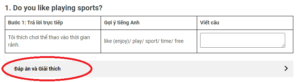
Đáp án và giải thích chi tiết
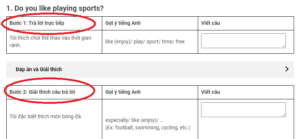
Part 3: Question 21-24 Dạng MCQ (2 đáp án đúng) Cách làm:
Lưu ý: Ta có thể loại trừ đáp án bằng cách lần lượt trả lời 2 câu hỏi: Câu 1: Các thông tin trong câu hỏi ĐỀU TÌM ĐƯỢC NỘI DUNG TƯƠNG ỨNG trong bài nghe hay không?
Câu 2: Có thông tin nào trong câu hỏi bị TRÁI NGƯỢC/SAI LỆCH với nội dung bài nghe hay không?
| |
Câu 21/22 – ĐÁP ÁN 1: B (the broad focus of the examples) Câu 21/22 – ĐÁP ÁN 2: D (the type of issues discussed) Nhận xét:
Cụ thể: Hai sinh viên ấn tượng nhất với việc bài giảng tập trung vào những vấn đề dài hạn, chưa được chú ý nhiều hiện nay nhưng sẽ quan trọng trong tương lai, và các ví dụ mang tính toàn cầu giúp họ nhận ra mức độ rộng lớn của các mối đe dọa đối với đa dạng sinh học biển. => Đáp án 1: B => Đáp án 2: D | Script đáp án 1 (B): Phil: Mm. But that’s just at a national level. The examples she gave were at a more global level, and they really made it clear to me just how wide-ranging the threats to ocean biodiversity are. Script đáp án 2 (D): Lucy: Yeah. I learned a lot from her about ocean biodiversity. I’ve already done some reading on it, and I did an assignment on some of the problems associated with it last year, but I especially liked the way her lecture focused on more long-term issues. |
A. the references to local problems Nhận xét:
Cụ thể: Bài nghe chỉ nhắc đến mức độ toàn cầu, không nhắc đến vấn đề địa phương. => Đáp án A là NOT GIVEN
| Phil: Mm. But that’s just at a national level. The examples she gave were at a more global level, and they really made it clear to me just how wide-ranging the threats to ocean biodiversity are. |
C. the practical suggestions for solutions
Cụ thể: Có nhắc đến giải pháp nhưng trọng tâm ấn tượng là vấn đề dài hạn và phạm vi toàn cầu, không phải các giải pháp thực tế. => Đáp án C là NOT GIVEN | Phil: “It wasn’t exactly a feel-good conclusion because it’s hard to see any real solution for a lot of the problems.” Lucy: “No, though she did point to where policy changes could be made…” |
E. the implications for government policy Nhận xét:
Cụ thể: Có nhắc đến policy changes nhưng không đề cập đến những hệ quả, tác động => Đáp án E là NOT GIVEN | Script chứng minh: Lucy: “No, though she did point to where policy changes could be made to protect our marine and coastal environments” |
Câu 23/24 – ĐÁP ÁN 1: C (the use of new technology)
Câu 23/24 – ĐÁP ÁN 2: E (the large range of specialists involved) Nhận xét:
Cụ thể: Điều khiến hai sinh viên đặc biệt ấn tượng là việc nhóm nghiên cứu quy tụ nhiều chuyên gia đến từ các lĩnh vực khác nhau và việc ứng dụng các công nghệ mới như hệ thống theo dõi sinh vật biển và robot để nghiên cứu các mối đe dọa đối với đa dạng sinh học.
=> Đáp án 1: C => Đáp án 2: E
| Script đáp án 1: C Phil: Mm. And the description of improvements in systems used for tracking marine animals and things like robots were really interesting.
Lucy: Yes. and her description of how robotics can be used to investigate threats to biodiversity.
Script đáp án 2 (E) Phil: The research project she described was impressive, wasn’t it? I’d have thought it was quite unusual to have so many experts working together.
Lucy: Yeah. and from such different backgrounds. Must have been a really exciting team to work with. I’d heard of a couple of them before – they were involved in research way back in 2009 warning about the dangers of ocean pollution. |
A. the team’s previous successes Nhận xét:
Cụ thể: Chỉ nhắc rằng một vài người từng tham gia nghiên cứu năm 2009, không đề cập đến những thành công trước đó của họ => Đáp án A là NOT GIVEN | Lucy: Yeah. and from such different backgrounds. Must have been a really exciting team to work with. I’d heard of a couple of them before – they were involved in research way back in 2009 warning about the dangers of ocean pollution. |
D. the extensive statistical evidence
Cụ thể: Ngược lại, Lucy còn khen diễn giả vì không đưa quá nhiều số liệu.
=> Đáp án D là FALSE
| Lucy: Right. I liked the way she didn’t bombard us with figures – I mean, they were available, but she focused more on the general points they indicated. |
Part 3: Question 25-30 Dạng Matching Cách làm:
| |
Câu 25: G. This gives insufficient evidence for its claims Giải thích: Bài báo nói nhiều về sự nguy hiểm của lionfish nhưng không cung cấp đủ thông tin giải thích vì sao. => Đáp án là G | Phil: Well, the writer went on about how dangerous they were in environmental terms, which is probably true, but he didn’t really provide much information to explain why.
|
Câu 26: B. This is now rather outdated
Giải thích: Bộ phim tài liệu được làm từ 10 năm trước nên đã lỗi thời. => Đáp án là B | Script đáp án: Lucy: I watched to the end but you’re right, it was showing its age. People had hardly heard of microplastics then, whereas now everyone knows about them and how dangerous they are. |
Câu 27: F. This is too predictable to be useful Giải thích: Podcast chỉ nói những điều ai cũng biết nên không hữu ích. => Đáp án là F | Phil: Yes, it mentioned pesticides and plastic and things, and it clearly made the point that they were a bad thing, but everybody knows that anyway. Did you read that book on coastal ecosystems? |
Câu 28: H. This gives a clear explanation of the problems Giải thích: Cuốn sách giúp họ hiểu rõ hơn về các vấn đề và có sơ đồ minh họa tốt. => Đáp án là H | Phil: Yes, I agree and I thought it was a well-written summary of those. And the diagrams helped a lot too. |
Câu 29: A. This is aimed at a very specialist audience Giải thích: Bài viết về độc tính kim loại quá chuyên sâu, khiến cả hai đều không hiểu. => Đáp án là A | Lucy: The article on metal toxicity was way above my head. I didn’t know anything about how metals from industrial emissions react in the ocean … and I still don’t understand it. Phil: I gave up reading after the first chapter – I just couldn’t follow it. |
Câu 30: E. This does not give a balanced account Giải thích: Podcast về thành phố nổi trên biển chỉ nói lợi ích cho con người mà bỏ qua tác động môi trường. => Đáp án là E
| Lucy: That podcast on floating marine cities was interesting, though it presented a rather one-sided picture, I thought. |
Trên đây là phần giải IELTS Cambridge 21 – Test 1: Listening Part 3 chi tiết từ IZONE. Luyện tập giải Cam 21 tại chuyên mục Giải đề Cambridge với phần giải thích đáp án chi tiết.