Giải đề IELTS Cambridge 21 – Test 1: Listening Part 4: Sources of rubber

Cùng IZONE luyện tập giải đề IELTS Cambridge 21 Test 1 Listening Part 4 Sources of rubber và tham khảo phần giải thích đáp án chi tiết trong bài viết này nhé!
Bài nghe Cambridge 21 – Test 1: Listening Part 4 Sources of rubber
PART 4 Questions 31-40
Complete the notes below.
Write ONE WORD ONLY for each answer.
Sources of rubber Three resources which are essential for industrial civilisation • 31 ·································· • fossil fuels • rubber Natural rubber This mainly comes from the Para rubber tree, now cultivated in South-East Asia. The supply is limited because • the growth of the tree is 32 …………………………. • production cannot easily be adjusted because of increasing or decreasing 33 ……………………………. • the tree only grows near the 34 ……………………………… • extracting the latex (rubber) is labour-intensive • it is very difficult to 35 …………………………… rubber after production. New threats include • lack of genetic diversity, leading to danger of disease caused by a 36 ………………….. • a shift to the cultivation of palm oil • extreme 37 ………………………………. events. Synthetic rubber • may be used for engine parts and cooking utensils • is less 38 …………………………….. than natural rubber • is unsuitable for many purposes e.g. the tyres of aircraft. An alternative source of natural rubber • A wild flower (a type of dandelion) has rubber in its 39 ……………………… • It can be grown in many locations and does not require good 40……………….. |
Luyện tập Cam 21 với giao diện chuẩn thi máy IDP/BC tại Website Luyện tập Listening và Reading của IZONE:
Trải nghiệm ngay Web Luyện tập IZONE để tiến bộ hơn mỗi ngày! |

Audiotranscripts
Much of the world now lives in an industrial civilisation. But this has only become possible because we have the necessary natural resources. There are three types of natural resource without which industry could not exist. One of these is metal. Without that, we’d have no machines and no transportation. Another is fossil fuels, which we need to power those machines. But there’s a third resource that’s essential to connect the different parts of a machine together with belts, and pipes, and shock absorbers, and that is rubber. It’s now used in over 40,000 products, from waterproof footwear to surgical gloves.
At present, we have two types of rubber in common use. One is natural rubber, which nearly all comes from the Pará rubber tree. This was originally native to Brazil, but is now cultivated on plantations in Southeast Asia. Recently, however, concerns have been growing that supplies may soon be insufficient for the world’s needs.
So, what exactly is limiting the supply of natural rubber? Well, for one thing, rubber trees don’t just spring up overnight. It can take eight to ten years for a tree to start producing rubber, so cultivating them is a slow process. And this leads to another problem. With most crops, farmers don’t have to think very far ahead, so they can easily change what crop they produce, or how much of a crop they produce, if they find the demand for that crop is rising or falling. But if you have to plant eight or ten years ahead, that’s much harder. And also, the rubber tree is very choosy about where it grows. It needs the right temperature, the right amount of rainfall, and the right altitude – not too high and not too low. The result is that it can’t be grown in the northern or southern parts of the globe, only around the equator.
Another problem is that the rubber is basically extracted in the same way as it’s been done for hundreds of years, and that’s by hand, by making small cuts in the trunk of the tree and putting a little cup there to catch the latex, as the rubber is called. It’s very labour-intensive. And it’s not just the initial production that’s limiting supplies. With other resources, such as water and glass, when we’ve finished using them, we can recycle them. But although this is also possible with rubber, it’s very difficult, so that also reduces the amount we have available.
And in the last few years, there have been new threats to the supply of natural rubber. One problem is linked to the fact that nearly all the rubber trees in Southeast Asia are descended from just a small number of seeds brought from Brazil in the 19th century. This means that there’s very little genetic diversity among the trees, which in turn makes them very vulnerable to disease. The most dangerous threat is a fungus, which destroyed large numbers of rubber trees in Brazil, and which could cause devastation to plantations worldwide. Another problem is that farmers in Southeast Asia are increasingly turning to the cultivation of palm oil, which is easier and more profitable for them. And finally, in recent years, Southeast Asia, like other parts of the world, has been repeatedly hit by extreme types of weather, and this looks likely to continue in the future.
However, as well as using natural rubber, it’s also possible to make rubber synthetically. This works very well for some purposes, for example, making engine parts, or silicone pots and pans used for cooking. But compared with natural rubber, it’s not anything like as strong, and this means it can’t replace natural rubber in other products. For example, while a mixture of natural rubber and synthetic rubber works well in car tyres, only natural rubber can stand up to the extreme speeds of aircraft tyres during take-off and landing.
So for some time, scientists have been looking for alternative sources of natural rubber. One that’s been known about for some time seems initially to be a rather unlikely source. It’s a wild plant with yellow flowers that we normally regard as a weed when we see it in our gardens: dandelions. But when it’s pulled up and its roots cut open, they are found to contain rubber. Now, compared to the rubber tree, dandelions produce relatively small amounts of rubber, but, unlike rubber trees, they’re very adaptable. They’ll grow in all sorts of places, and they don’t need rich soil. So at present, there are several projects underway investigating the possibility of using dandelions as a source of rubber. Another possibility is a desert shrub grown in Mexico and Texas, which is also…
Đáp án và giải thích chi tiết
GapFill: Questions from 31 to 40 | |
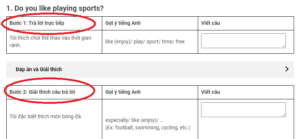
Section 4: Question A-B Dạng Note Completion/ Table Completion/ Diagram Completion (Chú ý sửa lại tên tương ứng với dạng bài) Cách làm: Bước 1: Đọc lướt các chỗ trống cần điền đáp án. Khoanh tròn giới hạn từ cần điền Bước 2: Đoán nhanh xem liệu loại từ cần điền vào chỗ trống là loại từ gì (danh từ, động từ, tính từ hay trạng từ) và xác định dạng từ (tên quốc gia, tên người, con số ….) Bước 3: Xác định những từ khóa trong câu chứa chỗ trống cần điền. Bước 4: Nghe và lựa chọn đáp án | |
Câu 31: Three resources which are essential for industrial civilisation • 31 ········································ • fossil fuels • rubber Từ cần điền là một danh từ chỉ một tài nguyên cần thiết cho nền văn minh công nghiệp. Nội dung bài: Kim loại – metal là 1 trong 3 loại tài nguyên mà nền công nghiệp không thể thiếu. => Đáp án là metal | Much of the world now lives in an industrial civilisation. But this has only become possible because we have the necessary natural resources. There are three types of natural resource without which industry could not exist. One of these is metal – without that we’d have no machines and no transportation. |
Câu 32: This mainly comes from the Para rubber tree, now cultivated in South-East Asia. The supply is limited because • the growth of the tree is 32 …………………… Từ cần điền là một tính từ vì chủ ngữ của câu là “sự tăng trưởng của cây”, vậy có thể hiểu sự tăng trưởng này nhanh/chậm/ổn định… Nội dung bài: Cao su bắt nguồn từ Brazil. Tuy cao su được bắt đầu trồng trọt ở Đông Nam Á nhưng dự đoán thời gian sắp tới sẽ bị thiếu nguồn cung cấp, vì cần tốn từ 8 đến 10 năm để sản xuất ra cao su. => Đáp án là slow | One is natural rubber, which nearly all comes from the Para rubber tree. This was originally native to Brazil, but is now cultivated on plantations in South-East Asia. Recently, however, concern’s been growing that supplies may soon be insufficient for the world’s needs. So what exactly is limiting the supply of natural rubber? Well, for one thing, rubber trees don’t just spring up overnight. It can take eight to ten years for a tree to start producing rubber, so cultivating them‘s a slow process. |
Câu 33: production cannot easily be adjusted because of increasing or decreasing 33 …………………………………… Từ cần điền là một danh từ vì đề có cấu trúc: because of + Noun trong khi ‘increasing or decreasing’ là tính từ. Nội dung bài: Vẫn đang nói về việc trồng cao su trong vòng 8-10 năm nữa. Mặc dù với hầu hết các loại cây thì nông dân không cần phải nghĩ quá xa về tương lai vì họ có thể thay đổi loại cây hay sản lượng họ sản xuất theo ý muốn nếu họ nhận thấy nhu cầu của loại cây đó đang tăng hay giảm. Tuy nhiên để trồng cho 8-10 năm nữa thì sẽ khó hơn nhiều. => Đáp án là demand | And this leads to another problem. With most crops, farmers don’t have to think very far ahead, so they can easily change what crop they produce, or how much of a crop they produce, if they find the demand for that crop is rising or falling. But if you have to plant eight or ten years ahead, that’s much harder. |
Câu 34: the tree only grows near the 34 …………………………………… Từ cần điền là một danh từ chỉ địa điểm. Nội dung bài: Cây cao su cũng cần một nhiệt độ, một lượng mưa và mực nước biển nhất định để có thể mọc lên. Vì vậy nên chúng chỉ có thể mọc quanh vùng xích đạo thôi. => Đáp án là equator. | And also the rubber tree’s very choosy about where it grows. It needs the right temperature, the right amount of rainfall, and the right altitude – not too high and not too low. The result is that it can’t be grown in the northern or southern parts of the globe, only around the equator. |
Câu 35: extracting the latex (rubber) is labour-intensive • it is very difficult to 35 ……………………. rubber after production. Từ cần điền là một động từ để minh hoạ hành động làm gì sau khi quá trình sản xuất cao su hoàn thành. Nội dung bài: Đối với các loại tài nguyên khác như nước hay thuỷ tinh thì có thể tái sử dụng sau khi dùng xong. Tuy nhiên đối với => Đáp án là recycle | And it’s not just the initial production that’s limiting supplies. With other resources such as water and glass, when we’ve finished using them we can recycle them, but although this is also possible with rubber, it’s very difficult, so that also reduces the amount we have available. |
Câu 36: New threats include • lack of genetic diversity, leading to danger of disease caused by a 36 …………………………….
Từ cần điền là một danh từ để chỉ nguyên nhân gây ra sự thiếu đa dạng trong gene. Nội dung bài: Vì các cây cao su được trông ở Đông Nam Á được bắt nguồn từ một số ít hạt giống được lấy từ thế kỷ 19 → thiếu sự đa dạng về gene → rất dễ dính dịch bệnh → bệnh nguy hiểm nhất là bệnh nấm – fungus. => Đáp án là fungus | And in the last few years, there have been new threats to the supply of natural rubber. One problem is linked to the fact that nearly all the rubber trees in South-East Asia are descended from just a small number of seeds brought from Brazil in the nineteenth century. This means that there’s very little genetic diversity among the trees, which in turn makes them very vulnerable to disease. The most dangerous threat is a fungus, which destroyed large numbers of rubber trees in Brazil, and which could cause devastation to plantations worldwide. |
Câu 37: • a shift to the cultivation of palm • oil extreme 37 …………………….. events. Từ cần điền có thể là một danh từ/tính từ miêu tả tính chất, đặc điểm của danh từ “events” Nội dung bài: Trong những năm gần đây Đông Nam Á đã gặp rất nhiều tình trạng thời tiết khắc nghiệt. => Đáp án là weather | Another problem is that farmers in South-East Asia are increasingly turning to the cultivation of palm oil, which is easier and more profitable for them. And finally, in recent years South-East Asia, like other parts of the world, has been repeatedly hit by extreme types of weather, and this looks likely to continue in the future. |
Câu 38: Synthetic rubber • may be used for engine parts and cooking utensils • is less 38 ……………………………………. than natural rubber Từ cần điền là một tính từ. Mục đích câu này là để so sánh cao su nhân tạo ít tính gì hơn so với cao su tự nhiên. Nội dung bài: Mặc dù cao su nhân tạo cũng được dùng làm động cơ hay đồ dùng để nấu ăn nhưng so với cao su tự nhiên thì nó không khoẻ bằng. => Đáp án là strong | However, as well as using natural rubber, it’s also possible to make rubber synthetically. This works very well for some purposes, for example, making engine parts, or silicone pots and pans used for cooking. But compared with natural rubber, it’s not anything like as strong, and this means it can’t replace natural rubber in other products. |
Câu 39: An alternative source of natural rubber • A wild flower (a type of dandelion) has rubber in its 39 ……………………………………. Từ cần điền là một danh từ. Nội dung bài: Một loài cây khác là phiên bản tương đương của cao su tự nhiên là một cây dại có hoa vàng mà thường được nhầm là cần sa. Nhưng khi họ kéo cây lên và cắt rễ ra thì chúng có cao su trong đó. => Đáp án là roots | One that’s been known about for some time seems initially to be a rather unlikely source. It’s a wild plant with yellow flowers that we normally regard as a weed when we see it in our gardens. But when it’s pulled up and its roots cut open, they’re found to contain rubber. Now, compared to the rubber tree, dandelions produce relatively small amounts of rubber, but unlike rubber trees, they’re very adaptable. |
Câu 40: It can be grown in many locations and does not require good 40 ……………….. Từ cần điền là một danh từ thể hiện một yếu tố gì đó để một biến thể khác của cao su tự nhiên (alternative natural rubber source) có thể mọc lên. Nội dung bài: Một nguồn thay thế cho cao su tự nhiên có thể được trồng ở nhiều nơi và chúng cũng không cần hạt giống tốt. => Đáp án là soil | They’ll grow in all sorts of places, and they don’t need rich soil. So at present there are several projects underway investigating the possibility of using dandelions as a source of rubber. |
Trên đây là phần giải IELTS Cambridge 21 – Test 1: Listening Part 4 Sources of rubber chi tiết từ IZONE. Luyện tập giải Cam 21 tại chuyên mục Giải đề Cambridge với phần giải thích đáp án chi tiết.