Giải đề IELTS Cambridge 21 – Test 3: Listening Part 4: Invasive species

Cùng IZONE luyện tập giải đềI IELTS Cambridge 21 – Test 3: Listening Part 4: Invasive species và tham khảo phần giải thích đáp án chi tiết trong bài viết này nhé!
Bài nghe Cambridge 21 – Test 3: Listening Part 4 Invasive species
PART 4 Questions 31-40
Complete the notes below.
Write ONE WORD ONLY for each answer.
Invasive species Definition: an animal or plant that causes harm to an environment after being introduced by humans An invasive species can be a problem when it:
How invasive species spread
Examples of invasive species
Tackling invasive species
|
Luyện tập Cam 21 với giao diện chuẩn thi máy IDP/BC tại Website Luyện tập Listening và Reading của IZONE:
Trải nghiệm ngay Web Luyện tập IZONE để tiến bộ hơn mỗi ngày! |

Audiotranscripts
Lecturer: Today, I’m going to talk about invasive species. Let me start by saying what an invasive species is, and what it’s not. Invasive species are any animal or plant that is introduced into an environment by humans, and which is then harmful to that environment.
It’s important to be clear that not all introduced species are invasive. Many introduced, or non-native, species thrive in new areas without posing any threat. In some cases, invasive species have changed the natural world beyond recognition. So, let’s look at the different ways they can be problematic.
First of all, invasive species may eat native species. Or sometimes they may bring a disease with them, which native species have never faced before and therefore have no defenses against. Often, the invasive species breed very quickly, which further adds to the problem of native species losing their sources of food. Species invasions are one of the biggest causes of damage in an ecosystem, actually putting its survival at risk.
So, how do invasive species spread? Without a doubt, the biggest cause is human activity. This could be intentional, or it could be accidental—such as when people who’ve been on holiday in another country come back with, say, the seeds of plants on their clothes or shoes. Plants and animals, especially insects, arrive in or on the cargo of ships, and then escape into their new home.
But sometimes humans deliberately move animals and plants around the world. For example, to use them to control pests on farms, or to be pets. This can go very wrong if those animals and plants move into wild settings and start breeding or begin growing in ways that weren’t predicted.
Let’s now look at an example of an invasive species here in Australia. Rhinella marina is a species of toad that was deliberately introduced from Hawaii in 1935 as a form of biological control. It was hoped that the toads would eat the grey-backed beetles responsible for destroying crops of sugar on many of the plantations. At first, just a handful of toads were released by scientists into Queensland. But this number soon grew as other states followed suit. Within two years, 62,000 young toads had been released into the wild. The toads did nothing to protect the plantations, but they did reproduce rapidly and could soon be found all over the northern half of the country. The toads are poisonous at every stage of their life cycle, and anything that eats them will die.
My second example regarding invasive species is the United Kingdom. Actually, there are more than 3,000 invasive species there, including some that are extremely common. Some invasive plants, such as Japanese knotweed, have had a devastating impact on parts of the UK. Gardeners in the 19th century considered it a beautiful ornamental plant—which it is, when it’s kept under control. But it soon spread into the countryside and remains a problem even to this day, as it’s so hard to eradicate.
Another invasive plant is rhododendrons, which can be found in UK parks and woodlands. Their introduction dates back to 1763, but they’re now seen as harmful because they block out so much light that native wildflowers can’t grow beneath them.
And then, there are grey squirrels, which are one invasive species almost everyone in the UK will have come across. They were brought to the UK from North America and introduced to private estates around the 1870s, but are now found everywhere, from forests to city squares. Grey squirrels have outcompeted the smaller, native red squirrels. They both eat the same food, and the grey squirrels carry a type of virus that is deadly to the red squirrels. Red squirrel populations have collapsed, and there are only a handful of sites left in the UK where they’re found.
An important question for ecologists worldwide is: What can we do to tackle the problem of invasive species?
The first step in controlling invasive species is learning about the behavior of new species coming into the country. Monitoring is an important part of this, so that we can know if the new species begins to have a negative impact in its new environment. One effective way to keep track of invasive species is to create a database for the whole country. That way, all relevant authorities and agencies can share important information and take whatever action is needed.
But the public also have a vital role to play in this process. They should be encouraged to photograph harmful species, because this helps with identification, and then to report when and where these were observed. But it’s important to tell people not to destroy, or even touch, what they’ve found.
Now, I’m going to move on to an example…
Đáp án và giải thích chi tiết
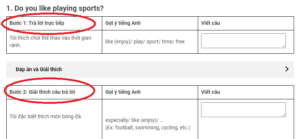
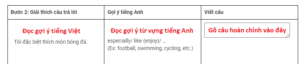
Section 4: Question 31-40 Dạng Note Completion. Write ONE WORD ONLY for each answer. Cách làm: Bước 1: Đọc lướt các chỗ trống cần điền đáp án. Khoanh tròn giới hạn từ cần điền Bước 2: Đoán nhanh xem liệu loại từ cần điền vào chỗ trống là loại từ gì (danh từ, động từ, tính từ hay trạng từ) và xác định dạng từ (tên quốc gia, tên người, con số ….) Bước 3: Xác định những từ khóa trong câu chứa chỗ trống cần điền.
Bước 4: Nghe và lựa chọn đáp án | |
31. Introduces a new …………..
Từ cần điền là một DANH TỪ (sau tính từ new)
Nội dung bài: Trước hết, các loài xâm lấn có thể ăn thịt các loài bản địa, hoặc đôi khi chúng có thể mang theo một loại bệnh mà loài bản địa ở đó chưa bao giờ mắc phải nên không có cơ chế phòng bị.
=> Đáp án là disease | First of all, invasive species may eat native species, or sometimes they may bring a disease with them, which native species have never faced before and therefore have no defences against. |
32. threatens an entire ……………
Từ cần điền là một DANH TỪ (đi sau tính từ entire)
Nội dung bài: Loài xâm lấn là 1 trong những nguyên nhân lớn nhất gây tổn hại đến hệ sinh thái, thật sự đẩy cả sự sinh tồn của nó vào nguy hiểm.
=> Đáp án là ecosystem | Species invasions are one of the biggest causes of damage in an ecosystem, actually putting its survival at risk. |
33. accidentally e.g. via people returning from their ………… or on cargo ships
Từ cần điền là một DANH TỪ (returning from + N / sau tính từ sở hữu their)
Nội dung bài: Loài xâm lấn lan rộng có thể do cố ý (intentional) hoặc cả vô ý (accidental), ví dụ như khi người ta đi du lịch về và họ vô tình bị dính 1 loại hạt giống nào đó trên quần áo hoặc giày chẳng hạn. Hay các loài thực vật, động vật cũng như côn trùng cũng có thể đến được [một nơi khác] trong những thùng hàng trên tàu thuyền chở chúng, và sau đó trốn thoát vào “nhà” mới.
=> Đáp án là holiday | So, how do invasive species spread? Without a doubt, the biggest cause is human activity. This could be intentional, or it could be accidental, such as when people who’ve been on holiday in another country come back with, say, the seeds of plants on their clothes or shoes. Plants and animals, especially insects, arrive in or on the cargo of ships, and then escape into their new ‘home’. |
34. intentionally e.g. for pest control, or as …………
Từ cần điền là một DANH TỪ (đi sau “as”, với nghĩa “như là” + cái gì đó)
Nội dung bài: Nhưng đôi khi con người cố ý di chuyển động vật và thực vật đi khắp thế giới, VD như để kiểm soát sâu bệnh trong các trang trại, hoặc để làm thú cưng.
=> Đáp án là pets | But sometimes humans deliberately move animals and plants around the world, for example to use them to control pests on farms, or to be pets. |
35. [Toads] were introduced to Australia from Hawaii in 1935 to eat a type of insect that was damaging the ……………….. plantations.
Từ cần điền là một DANH TỪ hoặc TÍNH TỪ (đi trước danh từ plantations và tạo thành cụm danh từ ở dạng danh-danh hoặc tính-danh)
Nội dung bài: Người ta hy vọng là những con cóc sẽ ăn hết loài bọ lưng xám đã phá hoại nhiều đồn điền trồng đường.
Lưu ý: Vì đề bài chỉ cho điền ONE WORD ONLY, trong cụm “crops of sugar” ta sẽ chọn danh từ quan trọng nhất & mang nghĩa rõ nhất là sugar.
=> Đáp án là sugar | It was hoped that the toads would eat the grey-backed beetles responsible for destroying crops of sugar on many of the plantations. |
36. Rhododendron plants prevent ……….. from reaching native plants.
Từ cần điền là dạng DANH TỪ (prevent N from V-ing)
Nội dung bài: Một loài xâm lấn khác có tên là rhododendrons có thể tìm thấy ở các công viên và rừng cây ở UK. Chúng lần đầu xuất hiện vào năm 1763, nhưng giờ đây được xem như là một loài độc hại vì chúng đã che quá nhiều ánh sáng nên các loài hoa dại bản địa nằm dưới chúng không mọc được.
=> Đáp án là light | Another invasive plant is rhododendrons, which can be found in UK parks and woodlands. Their introduction dates back to 1763, but they’re now seen as harmful because they block out so much light that native wild flowers can’t grow beneath them. |
37. Grey squirrels from N. America reduce sources of food for the UK’s native red squirrels and spread a …………. that kills red squirrels.
Từ cần điền là một DANH TỪ SỐ ÍT (đi sau mạo từ ‘a’).
Nội dung bài: Loài sóc xám đến từ Bắc Mỹ đã cạnh tranh vượt trội hơn (outcompeted) với loài sóc đỏ bản địa và giành thức ăn của chúng cũng như mang 1 loại virus làm chết loài sóc đỏ.
=> Đáp án là virus | And then there are grey squirrels, which are one invasive species almost everyone in the UK will have come across. They were brought to the UK from North America and […] Grey squirrels have outcompeted the smaller, native red squirrels. They both eat the same food, and the grey squirrels carry a type of virus that is deadly to the red squirrels. |
38. Monitoring helps us to understand the ………….. of invasive species
Từ cần điền là một DANH TỪ (sau mạo từ the và trước ‘of’ trong cấu trúc cụm danh từ ‘the N1 of N2’)
Nội dung bài: Bước đầu tiên trong việc kiểm soát các loài xâm lấn là tìm hiểu về tập tính của các loài mới xâm nhập vào đất nước.
=> Đáp án là behaviour/behavior | The first step in controlling invasive species is learning about the behaviour of new species coming into the country. |
39. Setting up a national ………………..
Từ cần điền là DANH TỪ SỐ ÍT (sau mạo từ ‘a)
Nội dung bài: Một cách hiệu quả để theo dõi các loài xâm lấn là tạo ra một cơ sở dữ liệu cho cả nước.
=> Đáp án là database | One effective way to keep track of invasive species is to create a database for the whole country. |
40. Asking the public to ………… and report them with monitoring.
Từ cần điền là một ĐỘNG TỪ NGUYÊN MẪU (ask someone to do something).
Cụ thể: Công chúng đóng vai trò rất quan trọng trong quá trình này. Nên khuyến khích họ chụp hình lại những loài gây hại, vì điều này giúp nhận diện được chúng – và…
=> Đáp án là photograph | But the public also have a vital role to play in this process. They should be encouraged to photograph harmful species – because this helps with identification – and… |
Trên đây là phần giải IELTS Cambridge 21 – Test 3: Listening Part 4 Invasive species chi tiết từ IZONE. Luyện tập giải Cam 21 tại chuyên mục Giải đề Cambridge với phần giải thích đáp án chi tiết.