Giải Đề Latin American Studies IELTS Listening
Cùng IZONE luyện tập với Latin American Studies IELTS Listening và tham khảo phần giải thích đáp án chi tiết nhé!

Luyện tập Latin American Studies IELTS Listening
Questions 1-6
Choose the correct letter, A, B or C.
Latin American studies
1. Paul decided to get work get work experience in South American because he wanted
2. What project work Paul originally intend to get involved in?
3. Why did Paul change form one project to another?
4. In the village community, he leant how important it was to
5. What does the Paul say about his project manager
6. Paul was surprised to be given
Questions 7-10
What does Paul decide about each of the following modules?
Write the correct letter, A, B or C, next to questions 27-30.
- A He will do this.
- B He might do this.
- C He won’t do this.
Điểm số của bạn là % - đúng / câu
Đáp án Latin American Studies IELTS Listening
| 1C | 2C | 3A | 4B | 5C |
| 6A | 7C | 8A | 9B | 10C |
Transcript Latin American Studies IELTS Listening
Tutor: “I’ve been reading your personal statement, Paul. First, let’s talk about your work experience in South America. What took you there? Was it to gain more fluency in Spanish?”
Paul: “Well, as I’m combining Spanish with Latin American studies, my main idea was to find out more about the way people lived there [Q1-answer: C. to learn about Latin American life]. My spoken Spanish was already pretty good, in fact.”
Tutor: “So you weren’t too worried about language barriers?”
Paul: “No. In fact, I ended up teaching English there, although that wasn’t my original choice of work.”
Tutor: “I see.”
Tutor: “How did you find out about all this?”
Paul: “I found an agency that runs all kinds of voluntary projects in South America.”
Tutor: “What kind of work?”
Paul: “Well, there were several possibilities. You mean construction, engineering work?”
Tutor: “Yes.”
Paul: “Getting involved in building projects was an option. Then there was tourism, taking tourists for walks around the volcanoes, which I actually chose to do [Q2-answer: C. tourism]. And then there was work with local farmers.”
Tutor: “But you didn’t continue with that project. Why not?”
Paul: “Because I never really knew whether I’d be needed or not. I’d thought it might be difficult physically, but I was certainly fit enough. Now, I wanted to do something that had more of a proper structure to it [Q3-answer: A. His first job was not well organized], I suppose. I get demotivated otherwise.”
Tutor: “What do you think you learned from your experience? It must have been a great opportunity to examine community life.”
Paul: “Yes, but it was difficult at first to be accepted by the locals. It was a very remote village and some of them were reluctant to speak to me, although they were always interested in my clothes and how much I had to pay for them.”
Tutor: “Well, that’s understandable.”
Paul: “Yes, but things soon improved. What struck me was that when people became more comfortable with me and less suspicious, we really connected with each other in a meaningful way [Q4-answer: B. develop trust].”
Tutor: “You made good friends?”
Paul: “Yes, with two of the families in particular.”
Tutor: “Good.”
Tutor: “What about management? Did you have a project manager?”
Paul: “Yes, and he gave me lots of advice and guidance [Q5-answer: C. He was very supportive of Paul].”
Tutor: “And was he good at managing too?”
Paul: “That wasn’t his strong point. I think he was often more interested in the academic side of things than filing reports. He was a bit of a dreamer.”
Tutor: “And did you have a contract?”
Paul: “I had to stay for a minimum of three months. My parents were surprised when I asked to stay longer, six months in the end. I was so happy there.”
Tutor: “And did anything on the administration side of things surprise you? What was the food and lodging like?”
Paul: “Simple. But there was plenty to eat and I only paid seven dollars a day for that, which was amazing really. And they gave me all the equipment I needed, even a laptop. You didn’t expect that then? [Q6-answer: A. a computer to use].”
Tutor: “Well, I look forward to hearing more.”
Tutor: “But now let’s look at these modules. You’ll need to start thinking about which ones you’ll definitely want to study. The first one here is gender studies in Latin America. It looks at how gender analysis is reconfiguring civil society in Latin America. Women are increasingly occupying positions in government and in other elected leadership positions in Latin America. I think you’d find it interesting.”
Paul: “If it was to do with people in the villages rather than those in the public sphere, I would [Q7-answer: C. He won’t do this].”
Tutor: “OK.”
Paul: “What about second language acquisition? Do you think I’d find that useful?”
Tutor: “Well, you’ve had some practical experience in the field. I think it would be.”
Paul: “I hadn’t thought about that. I’ll put that down as a definite then [Q8-answer: A. He will do this].”
Tutor: “OK.”
Tutor: “What about indigenous women’s lives? That sounds appropriate.”
Paul: “I thought so too, but I looked at last year’s exam questions and that changed my mind.”
Tutor: “Don’t judge the value of the course on that. Maybe talk to some other students first and we can talk about it again later.”
Paul: “OK. Yes [Q9-answer: B. He might do this].”
Tutor: “And lastly, will you sign up for Portuguese lessons?”
Paul: “My Spanish is good, so would I find that module easy?”
Tutor: “Not necessarily. Some people find that Spanish interferes with learning Portuguese, getting the accent right too. It’s quite different in a lot of ways.”
Paul: “Well, I’d much sooner do something else then [Q10-answer: C. He won’t do this].”
Tutor: “All right. Now, what we need to do is…”
Giải chi tiết Latin American Studies IELTS Listening
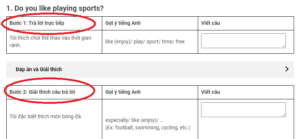
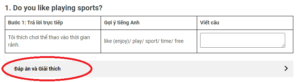
Question 1-6: Dạng MCQ Cách làm:
Lưu ý: Ta có thể loại trừ đáp án bằng cách lần lượt trả lời 2 câu hỏi:
| ||
1. Paul decided to get work get work experience in South American because he wanted | ||
C. to learn about Latin American life Nhận xét:
Cụ thể:
⇒ Đáp án đúng là C | Tutor: “I’ve been reading your personal statement, Paul. First, let’s talk about your work experience in South America. What took you there? Was it to gain more fluency in Spanish?” Paul: “Well, as I’m combining Spanish with Latin American studies, my main idea was to find out more about the way people lived there. My spoken Spanish was already pretty good, in fact.” | |
A. to teach English there
⇒ A Đáp án là FALSE | Tutor: “So you weren’t too worried about language barriers?”
| |
B. to improve his Spanish
⇒ B Đáp án là FALSE | Tutor: “I’ve been reading your personal statement, Paul. First, let’s talk about your work experience in South America. What took you there? Was it to gain more fluency in Spanish?” Paul: “Well, as I’m combining Spanish with Latin American studies, my main idea was to find out more about the way people lived there. My spoken Spanish was already pretty good, in fact.” | |
2. What project work Paul originally intend to get involved in? | ||
C. tourism Nhận xét:
Cụ thể:
⇒ Đáp án đúng là C | Tutor: “What kind of work?” Paul: “Well, there were several possibilities. You mean construction, engineering work?” Tutor: “Yes.” Paul: “Getting involved in building projects was an option. Then there was tourism, taking tourists for walks around the volcanoes, which I actually chose to do. And then there was work with local farmers.” | |
A. construction
⇒ A Đáp án là FALSE | Paul: “Getting involved in building projects was an option. Then there was tourism, taking tourists for walks around the volcanoes, which I actually chose to do. And then there was work with local farmers.” | |
B. agriculture
⇒ B Đáp án là FALSE | Paul: “Getting involved in building projects was an option. Then there was tourism, taking tourists for walks around the volcanoes, which I actually chose to do. And then there was work with local farmers.” | |
3. Why did Paul change from one project to another? | ||
A. His first job was not well organized Nhận xét:
Cụ thể:
⇒ Đáp án đúng là A | Tutor: “But you didn’t continue with that project. Why not?” Paul: “Because I never really knew whether I’d be needed or not. I’d thought it might be difficult physically, but I was certainly fit enough. Now, I wanted to do something that had more of a proper structure to it, I suppose. I get demotivated otherwise.” | |
B. He found doing the routine work very boring Nhận xét:
Cụ thể:
⇒ Đáp án B là NOT GIVEN | ||
C. The work was too physically demanding
⇒ C Đáp án là FALSE | Paul: “Because I never really knew whether I’d be needed or not. I’d thought it might be difficult physically, but I was certainly fit enough. Now, I wanted to do something that had more of a proper structure to it [Q3-answer: A. His first job was not well organized], I suppose. I get demotivated otherwise.” | |
4. In the village community, he learnt how important it was to | ||
B. develop trust Nhận xét:
Cụ thể:
⇒ Đáp án đúng là B | Tutor: “What do you think you learned from your experience? It must have been a great opportunity to examine community life.” Paul: “Yes, but it was difficult at first to be accepted by the locals. It was a very remote village and some of them were reluctant to speak to me, although they were always interested in my clothes and how much I had to pay for them.” Tutor: “Well, that’s understandable.” Paul: “Yes, but things soon improved. What struck me was that when people became more comfortable with me and less suspicious, we really connected with each other in a meaningful way.” | |
A. respect family life Nhận xét:
Cụ thể:
⇒ Đáp án A là NOT GIVEN | ||
C. use money wisely
⇒ C Đáp án là FALSE | Paul: “Yes, but it was difficult at first to be accepted by the locals. It was a very remote village and some of them were reluctant to speak to me, although they were always interested in my clothes and how much I had to pay for them.“ | |
5. What does Paul say about his project manager? | ||
C. He was very supportive of Paul Nhận xét:
Cụ thể:
⇒ Đáp án đúng là C | Tutor: “What about management? Did you have a project manager?” Paul: “Yes, and he gave me lots of advice and guidance.” Tutor: “And was he good at managing too?” Paul: “That wasn’t his strong point. I think he was often more interested in the academic side of things than filing reports. He was a bit of a dreamer.” | |
A. He let Paul do most of the work Nhận xét:
Cụ thể:
⇒ A Đáp án là NOT GIVEN | ||
B. His plans were too ambitious
⇒ B Đáp án là FALSE | Tutor: “And was he good at managing too?” Paul: “That wasn’t his strong point. I think he was often more interested in the academic side of things than filing reports. He was a bit of a dreamer.” | |
6. Paul was surprised to be given | ||
A. a computer to use Nhận xét:
Cụ thể:
⇒ Đáp án đúng là A | Tutor: “And did anything on the administration side of things surprise you? What was the food and lodging like?” Paul: “Simple. But there was plenty to eat and I only paid seven dollars a day for that, which was amazing really. And they gave me all the equipment I needed, even a laptop. You didn’t expect that then?” | |
B. so little money to live on
| Tutor: “And did anything on the administration side of things surprise you? What was the food and lodging like?” Paul: “Simple. But there was plenty to eat and I only paid seven dollars a day for that, which was amazing really. And they gave me all the equipment I needed, even a laptop. You didn’t expect that then?” | |
C. an extension to his contract
| Tutor: “And did you have a contract?” Paul: “I had to stay for a minimum of three months. My parents were surprised when I asked to stay longer, six months in the end. I was so happy there.” | |
Question 7-10 Dạng Matching Cách làm:
| ||
7. Gender Studies in Latin America _____
→ Paul nói rõ: nếu nội dung khác thì anh sẽ học, nghĩa là hiện tại thì không học. ⇒ C là đáp án chính xác | Tutor: “The first one here is Gender Studies in Latin America. It looks at how gender analysis is reconfiguring civil society in Latin America. Women are increasingly occupying positions in government and in other elected leadership positions in Latin America. I think you’d find it interesting.” Paul: “If it was to do with people in the villages rather than those in the public sphere, I would.” Tutor: “OK.” | |
8. Second Languages Acquisition_____
⇒ A là đáp án chính xác | Paul: “What about second language acquisition? Do you think I’d find that useful?” Tutor: “Well, you’ve had some practical experience in the field. I think it would be.” Paul: “I hadn’t thought about that. I’ll put that down as a definite then.” | |
9. Indigenous Women’s Lives____
⇒ B là đáp án chính xác | Tutor: “What about Indigenous Women’s Lives? That sounds appropriate.” Paul: “I thought so too, but I looked at last year’s exam questions and that changed my mind.” Tutor: “Don’t judge the value of the course on that. Maybe talk to some other students first and we can talk about it again later.” Paul: “OK. Yes.” | |
10.Portuguese Language Studies_____
| Tutor: “And lastly, will you sign up for Portuguese lessons?” Paul: “My Spanish is good, so would I find that module easy?” Tutor: “Not necessarily. Some people find that Spanish interferes with learning Portuguese, getting the accent right too. It’s quite different in a lot of ways.” Paul: “Well, I’d much sooner do something else then.” | |
⇒ C là đáp án chính xác | ||
Trên đây là phần giải thích đáp án chi tiết cho Latin American Studies IELTS Listening. Luyện tập thêm với các bài IELTS Listening khác tại chuyên mục Listening 6.0 – 8.0 cùng IZONE.
Xem thêm:
➢ Personal details for homestay application IELTS Listening