Trong bài viết này, hãy cùng IZONE luyện tập kỹ năng làm bài IELTS listening part 2 qua bài nghe Basement of museum IELTS Listening nhé!
Bài nghe Basement of Museum IELTS Listening Part 2
A. Luyện tập Basement of museum
Questions 11-16
What does the speaker say about each of the following collections?
Choose SIX answers from the box and write the correct letter, A-G, next to Questions 11-16.
A. was given by one person
B. was recently publicised in sthe media
C. includes some items given by members of the public
D. includes some items given by the artists
E. includes the most popular exhibits in the museum
F. is the largest of its kind in the country
G. has had some of its contents relocated
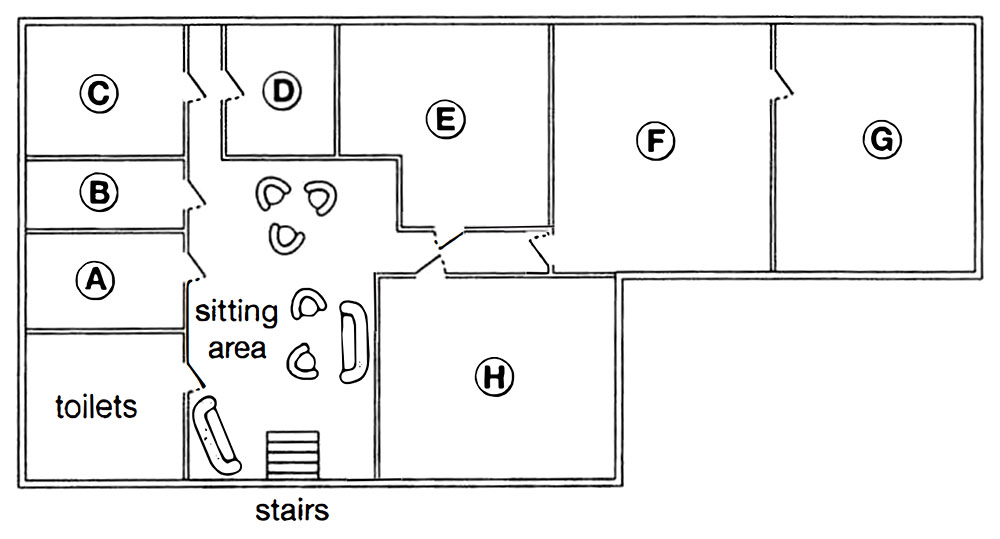
Label the plan below.
Điểm số của bạn là % - đúng / câu
Giải chi tiết Basement of Museum IELTS Listening
|
Section 1: Question 11-16 Dạng Matching
|
|
|
11: 20th- and 21st-century paintings ⇒ Bài nghe nói rằng Bộ sưu tập tranh thế kỷ 20 và 21 thu hút nhiều khách tham quan nhất, điều này thể hiện đây là những hiện vật phổ biến nhất trong viện bảo tàng. Đáp án là E: includes the most popular exhibits in the museum |
Well, for one thing, we have a fine collection of twentieth and twenty-first century paintings, many by very well-known artists. I’m sure you’ll recognise several of the paintings. This is the gallery that attracts the largest number of visitors |
|
12. 19th-century paintings ⇒ Bài nghe đề cập rằng một số nghệ sĩ đã tặng tác phẩm của họ để giúp thành lập bảo tàng, tức là bộ sưu tập có các tác phẩm do chính nghệ sĩ tặng. Đáp án là D: includes some items given by the artists |
Then there are the nineteenth-century paintings. The museum was opened in the middle of that century, and several of the artists each donated one work (Q12) – to get the museum started, as it were |
|
13. Sculptures => Bài nói cho biết rằng phòng điêu khắc hiện đang đóng cửa và một số tác phẩm đã được chuyển sang các khu vực khác, nghĩa là nội dung đã được di dời. Đáp án là G: has had some of its contents relocated |
You’ll need to come back next year to see it properly, but a number of the sculptures have been moved to other parts of the museum. (Q13) |
|
14. ‘Around the world’ exhibition => Bài nói nhắc tới Triển lãm tạm thời này đã xuất hiện trên TV và báo chí, tức là đã được công khai rộng rãi trên phương tiện truyền thông. Đáp án là B. was recently publicised in the media |
‘Around the world’ is a temporary exhibition – you’ve probably seen something about it on TV or in the newspapers (Q14). |
|
15. Coins => Trong bài, nhiều đồng xu được phát hiện bởi người dân khi đào vườn và được tặng cho bảo tàng, tức là bộ sưu tập có hiện vật do công chúng quyên tặng. Đáp án là C. includes some items given by members of the public |
This is what you might call a focused, specialist collection, because all the coins come from this country, and were produced between two thousand and a thousand years ago. And many of them were discovered by ordinary people digging their gardens and donated to the museum! (Q15) |
|
16. Porcelain and glass => Toàn bộ bộ sưu tập đồ sứ và thủy tinh được để lại bởi người sáng lập bảo tàng, một cá nhân duy nhất, nghĩa là được tặng bởi một người Đáp án là A. was given by one person |
All our porcelain and glass was left to the museum by its founder (Q16), when he died in 1878. |
|
Section 2: Question 17-20 Dạng Map Labelling
|
|
|
17: Restaurant
Restaurant nằm ở tầng hầm. Khi xuống cầu thang, đi thẳng qua khu vực ngồi, sau đó rẽ phải vào hành lang và nhà hàng sẽ đối diện bạn Đáp án đúng là F |
We have a very good restaurant, which serves excellent food all day, in a relaxing atmosphere. To reach it, when you get to the bottom of the stairs, go straight ahead to the far side of the sitting area, then turn right into the corridor. You’ll see the door on the restaurant facing you (Q17). |
|
18: café
Quán cà phê cũng nằm ở tầng hầm, có cơ sở vật chất cho trẻ em. Xuống cầu thang, đi thẳng, rẽ phải vào hành lang, quán cà phê nằm ngay bên tay phải Đáp án đúng là H |
we also have a café. When you reach the bottom of the stairs, you’ll need to go straight ahead, turn right into the corridor, and the café is immediately on the right. (Q18) |
|
19: baby-changing facilities Để tới khu vực thay tã cho bé, hãy đi qua khu vực ghế ngồi, tiếp tục đi theo hành lang phía bên trái và bạn sẽ thấy khu tiện ích ở phía tay trái. Đáp án đúng là C |
there are baby-changing facilities downstairs: cross the sitting area, continue straight ahead along the corridor on the left and you and your body will find the facilities on the left-hand side. (Q19) |
|
20: cloakroom Phòng giữ đồ — nơi bạn nên gửi áo khoác, ô và các túi cỡ lớn — nằm ở phía bên trái của khu vực ngồi. Nó nằm ngay ở cánh cửa cuối cùng trước khi bạn đi tới hành lang. |
The cloakroom where you should leave coats, umbrella and any large bags, is on the left hand side of the sitting area. It’s through the last door before you come to the corridor. (Q20) |