Giải đề IELTS Cambridge 21 – Test 2: Reading Passage 1: Do animals dream?

Cùng IZONE luyện tập giải đề IELTS Cambridge 21 Test 2 Reading Passage 1 Do animals dream? và tham khảo phần giải thích đáp án chi tiết trong bài viết này nhé!
Bài đọc Cambridge 21 – Test 2: Reading Passage 1
Do animals dream? Studies using electrodes attached to the heads of sleepers have shown that when we sleep, we do so in two ways that alternate throughout the night. The first is rapid eye movement (REM) or active sleep. During this stage our eyes move, even though our eyelids are closed. Our muscles also twitch slightly, though they are largely paralysed so we don’t hurt ourselves. In contrast, we also engage in non-REM sleep, during which we barely move at all. Most dream states, and certainly those with the most vivid dreams, happen during REM sleep. There’s some evidence that other mammals may also dream. For example, researchers compared the brain patterns of rats running through a maze when awake with their brain patterns during REM sleep. They found the patterns were very similar and concluded that the sleeping rats were dreaming about going through the maze. But finding evidence of dreaming in non-mammals has proved more difficult. Their brains are very different from those of humans, and it can often be difficult to record their activity while they are sleeping. Recently, however, researchers succeeded in recording brain activity in sleeping pigeons. As in mammals, the recordings revealed both REM and non-REM sleep. Intriguingly, REM sleep activity was high in brain regions involved in processing visual information, especially images related to physical activities such as flying, which suggests that this may possibly be what the pigeons were dreaming about. That said, dreaming and REM sleep are unlikely to be universal in the animal kingdom. For example, sponges don’t have brains, so they lack the machinery for dreaming. There are also some animals with unusual sleep patterns. These include whales and dolphins, which do not shut down their entire brain when they sleep, but only half of it, keeping the rest awake. They also show no sign of REM sleep, suggesting that they may only experience non-REM dreams, which are less vivid. This is surprising because we tend to think of whales and dolphins as having complex inner lives. It’s thought that they don’t experience REM sleep because during REM sleep animals are more vulnerable to extremes of temperature. Nevertheless, in many cases REM sleep does seem to have benefits. Growing evidence from birds and mammals suggests that REM sleep and dreaming are important for forming memories and learning. It is believed that when events are replayed in dreams, this helps to integrate memories into longer-term storage. As soon as animals evolved moderately complex lifestyles, they would have needed to dream in order to manage these lifestyles. However, we still don’t understand how this outward behaviour relates to internal experience. It seems impossible to know what it is like to be a rat or a pigeon, let alone imagine their dreamscapes. We are quick to interpret the twitching limbs and quiet barks of sleeping dogs, but the truth is that we don’t know if there is an internal experience of chasing rabbits that comes along with that.ơ Another non-human dreamer offers insight here. In 2019, while making a documentary, David Scheel of Alaska Pacific University in the USA housed an octopus named Heidi in a tank in his living room. At one point, in the middle of the night, Heidi seemed to dream: her limbs and head moved, and her skin rapidly changed colour, as though she was pursuing a crab. Similarly, a report recently emerged of a sleeping octopus apparently having a nightmare. Costello, as the octopus was called, thrashed around, extended his mantle as if trying to make himself look bigger, and squirted ink as though he were being attacked by a predator. The nightmare study is intriguing, says Scheel, but is only based on one animal. He argues that as well as outward behaviour, brain imaging is needed to show that the octopuses are replaying sequences of activities from their waking lives in dreams. The trouble is that we will never be able to experience any animal’s dreams. That goes for other humans’ dreams too. But we can try to imagine what these dreamscapes are like by meeting animals on their own terms. For example, vision is the dominant sense for many humans, and so our dreams are heavily visual too. Dogs primarily navigate the world using smell while spiders rely much more on vibrations. It is likely that dreaming has served multiple purposes since the first complex animals evolved. And if this is the case, it is possible that better understanding of these purposes might shed light on the true purpose of our own dreams. |
Questions 1–5
Complete the table below.
Choose ONE WORD ONLY from the passage for each answer.
Write your answers in boxes 1–5 on your answer sheet.
Research into sleep and dreaming | ||
Research findings | Comment | |
Humans | • humans experience REM sleep and non-REM sleep • in REM sleep, the eyes and muscles move | |
1 …………. | • similar brain patterns were observed when active and sleeping | indicative of dreaming |
Pigeons | • when sleeping, pigeons displayed activity in parts of the brain that deal with 2 …………. input | indicative of dreaming |
Whales and dolphins | • still have 3 …………. their brain awake when they sleep • don’t experience REM sleep, as this could affect their sensitivity to 4…………. | their dreams are probably not very 5 …………. |
Questions 6–13
Do the following statements agree with the information given in Reading Passage 1?
In boxes 6–13 on your answer sheet, write:
TRUE if the statement agrees with the information
FALSE if the statement contradicts the information
NOT GIVEN if there is no information on this
6 Dreaming about past experiences helps us to create lasting memories of them.
7 It is now possible to tell what type of dream a dog is having.
8 David Scheel’s documentary was influential on other research into the sleeping patterns of octopuses.
9 While it was asleep, the octopus called Costello reacted as if it was hunting.
10 Scheel believes more research into octopuses’ dreams should be carried out.
11 We may soon be able to share the dreams of other human beings.
12 Hearing may be an important part of the dreams of some animals.
13 Interest in the reasons why humans dream has increased greatly in recent times.
Luyện tập Cam 21 với giao diện chuẩn thi máy IDP/BC tại Website Luyện tập Listening và Reading của IZONE:
Trải nghiệm ngay Web Luyện tập IZONE để tiến bộ hơn mỗi ngày! |

Đáp án và giải thích chi tiết Reading Passage 1 Do animals dream?
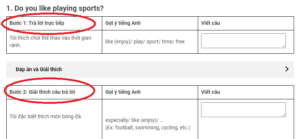
Questions 1-5: Dạng Table Completion Cách làm: Bước 1: Khoanh tròn giới hạn từ được điền Bước 2: Nghiên cứu Table và xác định loại từ cho mỗi chỗ trống Bước 3: Skim bài text để tìm ra những đoạn liên quan chứa đáp án Bước 4: Scan đoạn văn và điền đáp án đúng, chú ý giới hạn từ | |
Câu 1: Keyword nằm ở cột “Research findings” – Similar brain patterns observed when active and sleeping. Câu 1 nằm ở cột đầu tiên, các ô khác trong cột đề cập đến các đối tượng “Humans/Pigeons…” => Từ cần điền là danh từ đếm được số nhiều và có thể chỉ động vật Nội dung bài có đề cập “các nhà nghiên cứu đã so sánh các cấu trúc sóng não của loài chuột khi chúng đang chạy trong mê cung lúc tỉnh táo với cấu trúc sóng não của chúng trong giấc ngủ REM (giai đoạn mắt chuyển động nhanh). Họ phát hiện ra rằng các cấu trúc này rất giống nhau, từ đó đi đến kết luận rằng những con chuột này đang mơ về việc đi qua mê cung khi chúng ngủ. “ => Đáp án là rats | Đoạn 2: “For example, researchers compared the brain patterns of rats running through a maze when awake with their brain patterns during REM sleep. They found the patterns were very similar…” |
Câu 2: when sleeping, pigeons displayed activity in parts of the brain that deal with ………… input Từ cần điền là tính từ bổ nghĩa cho danh từ input. Ngoài ra, ta thấy “deal with” đứng trước ô trống cần điền để xác định từ loại (deal with + something) Thông tin cần tìm liên quan đến “pigeons” nên khoanh vùng được nội dung cần đọc bắt đầu từ dòng 3 – đoạn 4. Bài đọc đề cập “brain regions” thay cho “parts of the brain” trong câu hỏi (chỉ các vị trí khác nhau của não). “…hoạt động của giấc ngủ REM tăng cao ở các vùng não liên quan đến việc xử lý thông tin thị giác.” => Đáp án là visual | Đoạn 3: “Recently, however, researchers succeeded in recording brain activity in sleeping pigeons. As in mammals, the recordings revealed both REM and non-REM sleep. Intriguingly, REM sleep activity was high in brain regions involved in processing visual information, especially images related to physical activities such as flying, which suggests that this may possibly be what the pigeons were dreaming about.” |
Câu 3: still have ………. their brain awake when they sleep Từ cần điền là từ chỉ số lượng do trước khoảng trống có have và sau khoảng trống là danh từ (their brain) Dựa vào cột số 1 chỉ tên động vật “whales and dolphins” ta xác định được thông tin nằm ở đoạn 4, từ dòng 3-5. Khi đọc đoạn chứa thông tin ta thấy “những con cá voi và cá heo sẽ không để toàn bộ não của chúng chìm vào giấc ngủ, mà chỉ nghỉ ngơi một nửa não, giữ cho phần còn lại tỉnh táo” => Đáp án là half | Đoạn 4: “There are also some animals with unusual sleep patterns. These include whales and dolphins, which do not shut down their entire brain when they sleep, but only half of it, keeping the rest awake.” |
Câu 4: don’t experience REM sleep, as this could affect their sensitivity to ……….
Từ cần điền là danh từ vì chỗ trống đứng sau giới từ to (thuộc cụm sensitivity to something – sự nhạy cảm đối với cái gì) Thông tin cũng nằm ở câu cuối trong đoạn 4 “Bởi vì trong suốt giấc ngủ REM, các loài động vật thường dễ bị tổn thương (nhạy cảm) hơn trước các mức nhiệt độ khắc nghiệt.”. Trong bài đọc, sau “to” là cụm “extremes of temperature” có thể làm chúng ta bối rối, nhưng ta đã đoán từ loại là danh từ kết hợp với số từ được phép điền (ONE WORD ONLY) thì sẽ xác định được đáp án (do extremes of là lượng từ) => Đáp án là temperature | Đoạn 4: “It’s thought that they don’t experience REM sleep because during REM sleep animals are more vulnerable to extremes of temperature.” |
Câu 5: their dreams are probably not very ……….
Từ cần điền là tính từ do có động từ to be và trạng từ chỉ mức độ “very” xuất hiện trước khoảng trống Nội dung bài nằm ở dòng 5-6 đoạn 4 đề cập “Chúng có thể chỉ trải qua những giấc mơ ở giai đoạn không-REM (non-REM), vốn là những giấc mơ ít sống động hơn (không quá sống động). Từ less đã mang nghĩa phủ định, đồng nghĩa với “not very” trong đề bài => Đáp án là vivid | Đoạn 4: “They may only experience non- REM dreams, which are less vivid.” |
Questions 6-13: Dạng TRUE/FALSE/NOT GIVEN Cách làm: Bước 1: Đọc kĩ câu hỏi và gạch chân từ khóa Bước 2: Scan từ khóa đã gạch trong bài đọc Bước 3: Chú ý tới controlling words (not, only, the majority etc.) Bước 4: Chọn đáp án phù hợp Chọn đáp án bằng cách lần lượt trả lời 2 câu hỏi: Câu 1: Các thông tin trong câu hỏi ĐỀU TÌM ĐƯỢC NỘI DUNG TƯƠNG ỨNG trong bài đọc hay không? *Nội dung tương ứng là những nội dung cùng chỉ về 1 điều, mang cùng 1 chức năng trong câu. Ví dụ: Anh ấy đến nơi lúc 8h vs. Sau 9h anh ấy mới tới => “lúc 8h” và “sau 9h” đều nêu thời điểm anh ta tới nơi => 2 thông tin này dù khác về nội dung những vẫn được coi là tương ứng với nhau (đều chỉ mặt thời gian) Nếu không (có thông tin trong câu hỏi mà không có phần tương ứng trong bài đọc): đáp án là NOT GIVEN. Nếu có: loại phương án NOT GIVEN và chuyển sang câu hỏi 2 Câu 2: Có thông tin nào trong câu hỏi bị TRÁI NGƯỢC với nội dung bài đọc hay không? Nếu không (mọi thông tin đều khớp): đáp án là TRUE. Nếu có: đáp án là FALSE | |
Câu 6: Dreaming about past experiences helps us to create lasting memories of them. Thông tin trong bài đọc đề cập: Ngày càng có nhiều bằng chứng từ các loài chim và động vật có vú cho thấy giấc ngủ REM và việc nằm mơ đóng vai trò quan trọng trong việc hình thành ký ức và học tập. Người ta tin rằng khi các sự kiện được tái hiện lại trong những giấc mơ, điều này sẽ giúp tích hợp các ký ức vào nơi lưu trữ dài hạn hơn. => Đáp án là: TRUE | Đoạn 5: “Growing evidence from birds and mammals suggests that REM sleep and dreaming are important for forming memories and learning. It is believed that when events are replayed in dreams, this helps to integrate memories into longer-term storage.” |
Câu 7: It is now possible to tell what type of dream a dog is having. Các thông tin trong câu hỏi đều tìm được nội dung tương ứng trong bài đọc => Loại phương án NOT GIVEN Bài đọc đề cập: Chúng ta thường rất nhanh nhảu suy đoán ý nghĩa từ những cái chân giật giật và những tiếng sủa khẽ của những chú chó đang ngủ, nhưng sự thật là chúng ta không thể biết liệu có một trải nghiệm nội tâm (giấc mơ) nào đang diễn ra hay không…” → Thông tin mâu thuẫn với câu hỏi => Đáp án là: FALSE | Đoạn 6: “We are quick to interpret the twitching limbs and quiet barks of sleeping dogs, but the truth is that we don’t know if there is an internal experience…” |
Câu 8: David Scheel’s documentary was influential on other research… Đoạn 7 nhắc đến phim tài liệu của David Scheel về chú bạch tuộc Heidi. Đoạn 8 nhắc đến một nghiên cứu của bạch tuộc khác tên Costello. Bài đọc chỉ liệt kê hai sự kiện song song => Đáp án là NOT GIVEN | Đoạn 7: In 2019, while making a documentary, David Scheel of Alaska Pacific University in the USA housed an octopus named Heidi in a tank in his living room. Đoạn 8: Similarly, a report recently emerged of a sleeping octopus apparently having a nightmare. |
Câu 9: While it was asleep, the octopus called Costello reacted as if it was hunting. Ta có thể tìm được thông tin tương ứng trong bài đọc nên loại đáp án NOT GIVEN Bài đọc đề cập: Chú bạch tuộc Costello quẫy đạp điên cuồng… như thể đang bị một kẻ săn mồi tấn công (being attacked), nhưng câu hỏi bảo “đang đi săn” (was hunting) → Thông tin trái ngược nhau. => Đáp án FALSE | Đoạn 8: “Similarly, a report recently emerged of a sleeping octopus apparently having a nightmare. Costello, as the octopus was called, thrashed around, extended his mantle as if trying to make himself look bigger, and squirted ink as though he were being attacked by a predator.” |
Câu 10: Scheel believes more research into octopuses’ dreams should be carried out. Các thông tin trên có thể tìm được trong bài đọc nên ta loại đi đáp án NOT GIVEN Bài đọc có đề cập: Ông ấy lập luận rằng…, việc chụp ảnh não là cần thiết để chứng minh rằng loài bạch tuộc đang tái hiện lại các chuỗi hoạt động từ cuộc sống lúc tỉnh táo của chúng vào trong những giấc mơ. => Đáp án là: TRUE | Đoạn 8: “He argues that as well as outward behaviour, brain imaging is needed to show that the octopuses are replaying sequences of activities from their waking lives in dreams.” |
Câu 11: We may soon be able to share the dreams of other human beings. Ta có thể tìm thấy thông tin trong bài đọc nên loại trừ đáp án NOT GIVEN Thông tin bài đọc và câu hỏi đều đề cập đến những giấc mở của người khác nhưng lại mâu thuẫn tuyệt đối về khả năng xảy ra. => Đáp án là FALSE | Đoạn 9: “The trouble is that we will never be able to experience any animal’s dreams. That goes for other humans’ dreams too.” |
Câu 12: Hearing may be an important part of the dreams of some animals. Bài đọc liệt kê: visual (thị giác), smell (khứu giác), vibrations (sự rung động) nhưng tuyệt đối không nhắc tới thính giác => Đáp án là NOT GIVEN | Đoạn 9: For example, vision is the dominant sense for many humans, and so our dreams are heavily visual too. Dogs primarily navigate the world using smell while spiders rely much more on vibrations.“ |
Câu 13: Interest in the reasons why humans dream has increased greatly in recent times. Đoạn cuối chỉ nói hiểu giấc mơ động vật giúp làm sáng tỏ mục đích giấc mơ con người chứ hoàn toàn không đề cập việc “mức độ quan tâm tăng mạnh gần đây”. => Đáp án là NOT GIVEN | Đoạn 10 (đoạn cuối): “Even if we can never experience them directly, decoding the dreams of animals is a worthy goal. Understanding how and why other species dream could help us understand the evolutionary origins of sleep, and ultimately shed light on the true purpose of our own dreams.” |
Trên đây là phần giải IELTS Cambridge 21 – Test 2: Reading Passage 1 Do animals dream? chi tiết từ IZONE. Luyện tập giải Cam 21 tại chuyên mục Giải đề Cambridge với phần giải thích đáp án chi tiết.