Giải đề IELTS Cambridge 21 – Test 3: Listening Part 3
Cùng IZONE luyện tập giải đề IELTS Cambridge 21 Test 3 Listening Part 3 và tham khảo phần giải thích đáp án chi tiết trong bài viết này nhé!
Bài nghe Cambridge 21 – Test 3: Listening Part 3
PART 3 Questions 21-30
Questions 21 and 22
Choose TWO letters, A-E.
Which TWO points do the speakers make about the terms ‘ethical’ and ‘sustainable’ fashion?
A Their definitions keep changing.
B People think they mean the same thing.
C The term ‘eco-friendly’ is preferable.
D They are often used imprecisely.
E Companies should avoid using them on clothing labels.
Questions 23 and 24
Choose TWO letters, A-E.
Which TWO claims about wool production do the speakers disagree with?
A Sheep are generally well-treated.
B Wool is easy to recycle.
C Wool is a long-lasting fabric.
D Wool production involves few chemicals.
E Sheep do less environmental damage than other livestock.
Questions 25-30
What comment do the speakers make about each of the following semi-synthetic fabrics?
Choose SIX answers from the box and write the correct letter, A-H, next to
Questions 25-30.
Comments A The production process is fuel efficient. B It is the least sustainable of alternative fabrics. C Production costs are high. D It provides additional health benefits. E It is not durable in the long-term. F It needs to be produced in a certain way to be sustainable. G Chemicals required for production can be reused. H This is from a wholly sustainable source. |
Semi-synthetic fabrics
25 Lyocell ………
26 Cupro ………
27 Bamboo ………
28 EcoVero ………
29 Cork ………
30 Hemp ………
Luyện tập Cam 21 với giao diện chuẩn thi máy IDP/BC tại Website Luyện tập Listening và Reading của IZONE:
Trải nghiệm ngay Web Luyện tập IZONE để tiến bộ hơn mỗi ngày! |
Audiotranscripts
Jan: Shall we go through our research for our sustainable fashion project?
Jack: Good idea. I think I’ve done enough reading now.
Jan: Me too. I’ve learned such a lot about what sustainability actually means.
Jack: Mmm, same for me with ethical fashion. I didn’t really appreciate the difference between that and sustainable fashion before doing this research.
Jan: I know. Most people use these terms interchangeably, but in fact, the difference is quite distinct when you think about it. ‘Sustainable’ relates to the environment, and ‘ethical’ relates more to the way workers or animals are treated.
Jack: I totally understand why people get confused, though. There are so many other terms used, like ‘eco-friendly’, which is actually quite meaningless.
Jan: And the way companies use these terms when describing their products doesn’t help. They’re often deliberately vague, I think, and don’t provide enough information about how their products are made.
Jack: Yes!
Jan: It was interesting to read about the debate surrounding wool production, and how ethical and sustainable that is. It’s generally considered to be sustainable because it’s a natural product.
Jack: And it also lasts a long time and can be recycled – all very positive. But I wasn’t convinced by the argument that wool production is sustainable because it doesn’t use many chemicals. What about all the fungicides and insecticides used in sheep farming?
Jan: Good point. And I couldn’t find any evidence for the claim about sheep farming being better for the environment than cattle farming.
Jack: No, they’re both really bad. I read different reports about how unethical it is to even shear sheep. Some people say it’s cruel, but as long as the sheep are kept in good conditions, I can’t see anything wrong with it.
Jan: Me neither.
Before you hear the rest of the discussion, you have some time to look at questions 25 to 30.
(Pause)
Now listen and answer questions 25 to 30.
Jack: Shall we talk about some of the semi-synthetic new fabrics now?
Jan: Okay, let’s do that.
Jack: Let’s start with Lyocell. I’ve been reading about that.
Jan: Yeah, that’s the one produced from the pulp of eucalyptus trees, isn’t it?
Jack: Yes! And what happens with that is really impressive. Over 99% of dissolving agents used in the manufacturing process are used again.
Jan: Yeah. Now, there are a few semi-synthetic fabrics that I’d never heard of, like Cupro, for example.
Jack: Made from by-products of the cotton industry to create a kind of vegan silk. But I’m not sure how sustainable this really is, as there are so many reports of pollution caused by the manufacturing process.
Jan: Mmm, it doesn’t compare favorably with all the other sustainable fabrics we’ve looked at, no.
Jack: Bamboo is one fabric we’re all familiar with, but I didn’t know that it was only organic bamboo that’s truly sustainable.
Jan: Me neither. Apparently, the manufacturing process for a significant proportion of bamboo is chemically quite intensive, which obviously can be quite damaging.
Jack: EcoVero is an example of a semi-synthetic fabric which is becoming really popular.
Jan: Probably because manufacturing causes 50% fewer emissions and takes up half as much energy as conventional fabrics. That saves production costs as well as being better for the environment.
Jack: That’s true. I think demand for cork will continue to grow. It works really well in vegan shoes and bags.
Jan: Mmm, and it’s the only fabric that’s fundamentally sustainable. The cork trees it comes from are renewable, and the product itself is both recyclable and biodegradable, which is unique.
Jack: And the harvesting process is actually good for the trees! There are no downsides to using this source at all.
Jan: Hemp is another really good sustainable fabric from a natural source.
Jack: Yes. Did you know that clothes made from hemp protect the wearer from the sun? And it’s also anti-bacterial.
Jan: No, I didn’t. But I did read that it’s quite hard to grow, so perhaps that’s why it’s not as common as you’d think?
Jack: I’m sure that’ll change. Then, there are…
Đáp án và giải thích chi tiết
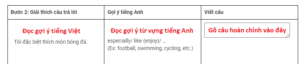
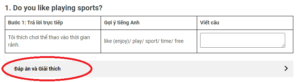
Section 3: Question 21-24 Cách làm:
Lưu ý: Ta có thể loại trừ đáp án bằng cách lần lượt trả lời 2 câu hỏi: Câu 1: Các thông tin trong câu hỏi ĐỀU TÌM ĐƯỢC NỘI DUNG TƯƠNG ỨNG trong bài nghe hay không?
Câu 2: Có thông tin nào trong câu hỏi bị TRÁI NGƯỢC/SAI LỆCH với nội dung bài nghe hay không?
| |
Which TWO points do the speakers make about the terms ‘ethical‘ and ‘sustainable‘ fashion? | |
Câu 21/22 – ĐÁP ÁN : B (People think they mean the same thing)
Câu 21/22 – ĐÁP ÁN : D (They are often used imprecisely)
Cụ thể: Hai sinh viên cho rằng nhiều người thường dùng “ethical” và “sustainable” thay thế cho nhau, suy ra mọi người nghĩ hai thuật ngữ này có nghĩa giống nhau. Ngoài ra, một sinh viên giải thích rằng các công ty cố ý dùng những thuật ngữ này một cách mập mờ và không cung cấp đủ thông tin.
=> Đáp án đúng là B và D | MADDY: Me too. I’ve learnt such a lot about what sustainability actually means. RYAN: Mmm, same for me with ethical fashion. I didn’t really appreciate the difference between that and sustainable fashion before doing this research. MADDY: Most people use these terms interchangeably MADDY: And the way companies use these terms when describing their products doesn’t help. They’re often deliberately vague, I think, and don’t provide enough information about how their products are made. |
A. Their definitions keep changing Nhận xét:
Cụ thể: Bài nghe chỉ nói mọi người thường nhầm lẫn giữa hai khái niệm, không đề cập đến sự thay đổi liên tục của các định nghĩa => Đáp án A là NOT GIVEN | MADDY: I know – most people use these terms interchangeably – but in fact the difference is quite distinct when you think about it. |
C. The term ‘eco-friendly‘ is preferable
Cụ thể: Một sinh viên cho rằng eco-friendly là một trong những từ khá vô nghĩa, nên đáp án này sai => Đáp án C là FALSE | RYAN: There are so many other terms used, like eco-friendly, which is actually quite meaningless |
E. Companies should avoid using them on clothing labels Nhận xét:
Cụ thể: Sinh viên chỉ cho rằng các công ty dùng từ ngữ mơ hồ để mô tả các sản phẩm sẽ không có ích, không nói rằng họ nên tránh hoàn toàn việc dùng các thuật ngữ này trên nhãn mác quần áo => Đáp án E là NOT GIVEN | RYAN: And the way companies use these terms when describing their products doesn’t help. They’re often deliberately vague, I think, and don’t provide enough information about how their products are made. |
Which TWO claims about wool production do the speakers disagree with? | |
Câu 23/24 – ĐÁP ÁN : D (Wool production involves few chemicals) Nhận xét:
Cụ thể: Học sinh không bị thuyết phục/không đồng ý rằng sản xuất len không chứa nhiều hóa chất
Câu 23/24 – ĐÁP ÁN : E (Sheep do less environmental damage than other livestock) Nhận xét:
Câu 2: Có thông tin nào trong câu hỏi bị TRÁI NGƯỢC/SAI LỆCH với nội dung bài nghe hay không? ⇒ Không có thông tin trái ngược Cụ thể: Học sinh không tìm thấy thông tin khẳng định rằng việc chăn nuôi cừu tốt cho môi trường hơn chăn nuôi gia súc => Đáp án đúng là D và E | RYAN: But I wasn’t convinced by the argument that wool production is sustainable because it doesn’t use many chemicals. MADDY: And I couldn’t find any evidence for the claim about sheep farming being better for the environment than cattle farming. RYAN: No – they’re both really bad. |
A. Sheep are generally well-treated Nhận xét:
Cụ thể: Hai người nói có đề cập đến việc đến việc shearing sheep có tàn nhẫn hay không, nhưng họ không phủ nhận trực tiếp nhận định này => Đáp án A là NOT GIVEN | RYAN: I read different reports about how unethical it is to even shear sheep. Some people say it’s cruel, but as long as the sheep are kept in good condition, I can’t see anything wrong with it. |
B. Wool is easy to recycle Nhận xét:
Cụ thể: Sinh viên nói rằng len có thể tái chế, không đề cập đến việc DỄ hay KHÓ tái chế => Đáp án B là NOT GIVEN | MADDY: It was interesting to read about the debates surrounding wool production, and how ethical and sustainable that is. It’s generally considered to be sustainable because it’s a natural product. RYAN: And it also lasts a long time and can be recycled. |
C. Wool is a long-lasting fabric
Cụ thể: Sinh viên cho rằng len có thể tồn tại lâu dài, vậy nên họ đồng ý, không phản đối nhận định này. => Đáp án C là FALSE | MADDY: It was interesting to read about the debates surrounding wool production, and how ethical and sustainable that is. It’s generally considered to be sustainable because it’s a natural product. RYAN: And it also lasts a long time and can be recycled. |
Part 3: Question 25-30 Dạng Matching Cách làm: Bước 1: Đọc qua câu hỏi (các câu hỏi sẽ không bị paraphrase nên không cần lo lắng là không nhận ra chúng trong audio) Bước 2: Đọc kỹ các phương án lựa chọn, đảm bảo rằng đã hiểu và phân biệt được sự giống-khác nhau giữa chúng Bước 3: Nghe kỹ Audio và take notes paraphrase Bước 4: Chọn đáp án | |
Câu 25: Lyocell – Chemicals required for production can be reused Giải thích: Hơn 99% hóa chất được dùng lại sau quá trình sản xuất.
=> Đáp án là G | RYAN: Let’s start with Lyocell, I’ve been reading about that. […] RYAN: Over 99% of dissolving agents used in the manufacturing process are used again. |
Câu 26: Cupro – It is the least sustainable of alternative fabrics Giải thích: Sinh viên 2 nhắc đến việc Cupro có thể không bền vững, bởi vì có báo cáo về việc nó gây ra nhiều ô nhiễm trong quá trình sản xuất, và sinh viên khẳng định điều này một lần nữa, cho rằng Cupro không thể so sánh với những loại vải thay thế khác => Đáp án là B | MADDY: Yeah. Now, there are a few semi-synthetic fabrics that I’d never heard of. Like Cupro, for example. RYAN: But I’m not sure how sustainable this really is, as there are so many reports of pollution caused by the manufacturing process. MADDY: It doesn’t compare favorably with all the other sustainable fabrics we’ve looked at, no. |
Câu 27: Bamboo – It needs to be produced in a certain way to be sustainable Giải thích: Nếu quy trình sản xuất sử dụng quá nhiều hóa chất thì không bền vững, nên chỉ bền vững khi được sản xuất đúng cách. => Đáp án là F | RYAN: Bamboo is one fabric we’re all familiar with. But I didn’t know that it was only organic bamboo that’s truly sustainable. MADDY: Apparently, the manufacturing process for a significant proportion of bamboo is chemically quite intensive, which obviously can be quite damaging. |
Câu 28: EcoVero – The production process is fuel efficient Giải thích: Quy trình sản xuất chỉ dùng một nửa năng lượng so với vải thông thường, vậy nên đây là một quy trình sản xuất tiết kiệm năng lượng. => Đáp án là A | RYAN: EcoVero is an example of a semi-synthetic fabric which is becoming really popular. MADDY: Probably because manufacturing causes 50% fewer emissions and takes up half as much energy as conventional fabrics. That saves production costs as well as being better for the environment. |
Câu 29: Cork – This is from a wholly sustainable source. Giải thích: Đây là loại vải hoàn toàn bền vững từ nguồn gốc. => Đáp án là H | RYAN: That’s true. I think demand for cork will continue to grow. It works really well in vegan shoes and bags. MADDY: And it’s the only fabric that’s fundamentally sustainable – the cork trees it comes from are renewable and the product itself is both recyclable and biodegradable – which is unique. |
Câu 30: Hemp – It provides additional health benefits Giải thích: Ngoài chức năng làm quần áo, chất liệu này còn chống tia nắng và kháng khuẩn, tức là mang lại lợi ích cho sức khỏe. => Đáp án là D | MADDY: Hemp is another really good sustainable fabric from a natural source. RYAN: Did you know that clothes made from hemp protect the wearer from the sun? And it’s also antibacterial. |
Trên đây là phần giải IELTS Cambridge 21 – Test 3: Listening Part 3 chi tiết từ IZONE. Luyện tập giải Cam 21 tại chuyên mục Giải đề Cambridge với phần giải thích đáp án chi tiết.