Giải đề thi IELTS Cambridge 20 – Test 2: Listening Part 1
Cùng IZONE luyện tập giải IELTS Cambridge 20 – Test 2: Listening Part 1 cùng phần giải thích đáp án chi tiết trong bài viết này nhé!
A. Bài nghe Cambridge 20 – Test 1: Listening Part 1
Questions 1-10
Complete the table below. Write ONE WORD AND/OR A NUMBER for each answer.
Local councils can arrange practical support to help those caring for elderly people at home.
This can give the carer:
- time for other responsibilities
- a 1
This may include discussion of:
how much 2 the caring involves
what types of tasks are involved, e.g.
- help with dressing
- helping her have a 3
- shopping
- helping with meals
- dealing with 4
- loss of 5
- 6 her
- preventing a 7
- transport costs, e.g. cost of a 8
- car-related costs, e.g. fuel and 9
- help with housework
- help to reduce 10
Điểm số của bạn là % - đúng / câu
B. Audiotranscripts
– It’s really good to see you, Tom. Since I had to give up work, I feel I’m losing touch with my friends and colleagues.
– We really miss you in the office. We were all so sorry you had to leave. But you must be relieved to have more time to look after your mother. How is she
– Well she very cheerful but she needs a lot of help
– Have you tried to get any support from the local council
– No, I didn’t know I could.
– Yes, they offer different kinds of practical support. They realise that carers sometimes need time for all the other responsibilities they have, apart from the person they’re caring for, and also that they sometimes need a break.
– Absolutely. OK, so tell me more. How do I go about getting this support?
– Well, you’d have to have an assessment of your mother’s needs. That means someone would come round and talk to you about the situation and what you need. So, for a start, they’d want to know the amount of time you spend looking after your mother every day.
– OK.
– Then they’ll probably ask you what sorts of tasks you do for your mother during the day. Things like if she needs help with getting dressed, for example.
– Right. I help her with that. And also I help her get into the shower in the morning.
– Yes, that sort of thing. They’ll probably ask you if you do the shopping for her and help her at mealtimes, and whether she can cope using money.
– Yes, that’s becoming a bit of a problem. She used to be very good at it, but not anymore.
Before you hear the rest of the conversation, you have some time to look at questions five to ten. Now listen and answer questions 5 to 10.
– And be ready to tell them about anything you find particularly difficult about caring for your mother.
– So, recently I’ve noticed she’s started to have quite bad problems with her memory. If I wasn’t there, I think she’d forget to eat, for example. And often she doesn’t seem quite sure what day it is.
– Yes, tell them about that. And are there any physical difficulties you have caring for her? Lifting her, for example?
– Yes, she’s quite heavy and I’m afraid of hurting my back. I’d be in real trouble if that happened.
– They can give you advice about that and also about how to avoid the possibility of your mum having a fall.
– Great. So once they’ve done this assessment, if I’m eligible, what happens next?
– Well, they might support you financially. So they might help you with transport costs, like if you have to get a taxi to take your mother for an appointment, for example.
– I usually drive her myself, actually. So, could I claim for the petrol?
– You could. And you can claim for the insurance too.
– Oh, right.
– And if you need help with the housework, they can arrange for someone to come along once or twice a week. And one other thing. I hope you don’t mind me saying this, but it’s important you look after yourself. And it seems to me you’re under quite a bit of stress.
– I am yes
– Well tell the council because they may be able to give you some advice on how to minimise it
– Really? Though, actually, I feel so much better having talked to you.
– I’ll get in touch with the council straight away. Now, shall we go for coffee or something?
C. Đáp án và giải thích chi tiết
|
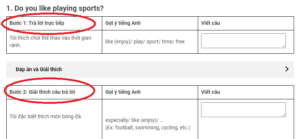
Part 1: Question 1-10 Dạng Table Completion Cách làm:
|
|
|
Câu 1: This can give the carer:
Từ cần điền là danh từ (số ít) (đứng sau mạo từ a)
Câu hỏi xoay quanh nhu cầu của người chăm sóc: thời gian cho các trách nhiệm khác và một nhu cầu gì khác. Theo thông tin bài nghe là nhu cầu được nghỉ ngơi.
=> Đáp án là break |
The woman: They realise that carers sometimes need time for all the other responsibilities they have, apart from the person they’re caring for, and also that they sometimes need a break |
|
Câu 2: Assessment of mother’s needs This may include discussion of:
Từ cần điền là danh từ số ít (do đứng sau lượng từ much)
Câu hỏi xoay quanh việc đánh giá nhu cầu của người mẹ. Theo thông tin bài nghe, người chăm sóc muốn biết khoảng thời gian mà Tom dành thời gian chăm sóc mẹ của mình mỗi ngày.
=> Đáp án là time |
The woman: That means someone would come round and talk to you about the situation and what you need. So, for a start, they’d want to know the amount of time you spend looking after your mother every day Tom: OK. |
|
Câu 3: What types of tasks are involved, e.g.
Từ cần điền là danh từ (do đứng sau mạo từ a)
Theo thông tin bài nghe, người chăm sóc cũng muốn biết các việc mà Tom giúp đỡ mẹ bên cạnh việc mặc quần áo. Và Tom trả lời là bạn ý giúp đỡ mẹ tắm vòi hoa sen vào buổi sáng.
=> Đáp án là shower |
The woman: OK. Then they’ll probably ask you what sorts of tasks you do for your mother during the day. Things like if she needs help with getting dressed, for example. Tom: Right. I help her with that. And also I help her get into the shower in the morning. |
|
Câu 4: shopping
Từ cần điền là danh từ Theo bài nghe, người chăm sóc muốn biết nếu như Tom có thể làm các việc như mua sắm, giúp đỡ trong các bữa ăn và việc chi tiêu tiền.
=> Đáp án là money |
The woman: Yes, that sort of thing. They’ll probably ask you if you do the shopping for her and help her at mealtimes, and whether she can cope using money. Tom: Yes, that’s becoming a bit of a problem. She used to be very good at it, but not anymore. |
|
Câu 5: Any aspects of caring that are especially difficult, e.g
Từ cần điền là danh từ Theo bài nghe, người chăm sóc muốn Tom chia sẻ các vấn đề khó khăn khi chăm sóc mẹ và Tom có nói về việc mẹ Tom có gặp vấn đề với trí nhớ. => Đáp án là memory |
The woman: And be ready to tell them about anything you find particularly difficult about caring for your mother. Tom: So, recently I’ve noticed she’s started to have quite bad problems with her memory. If I wasn’t there, I think she’d forget to eat, for example. And often she doesn’t seem quite sure what day it is. |
|
Câu 6:
Từ cần điền là danh động từ/danh từ
Người phụ nữ muốn biết nếu có khó khăn về thể chất mà Tom gặp phải khi chăm sóc mẹ và theo bài nghe, đó là việc cõng mẹ vì mẹ Tom khá nặng và Tom lo sẽ đau lưng, điều khiến Tom gặp rắc rối.
=> Đáp án là lifting |
The woman: And are there any physical difficulties you have caring for her? Lifting her, for example? Tom: Yes, she’s quite heavy and I’m afraid of hurting my back. I’d be in real trouble if that happened. |
|
Câu 7: preventing a [7]……
Từ cần điền là danh từ
Theo bài nghe, người chăm sóc có thể đưa lời khuyên về việc phòng ngừa khả năng mẹ Tom bị ngã.
=> Đáp án là fall |
The woman: They can give you advice about that and also about how to avoid the possibility of your mum having a fall
Tom: Great. |
|
Câu 8: Types of support that may be offered to carers
Từ cần điền là danh từ chỉ 1 loại phương tiện giao thông
Theo bài nghe, người chăm sóc có thể hỗ trợ Tom tài chính như chi phí đi lại, ví dụ như khi bắt taxi cho mẹ Tom đi khám.
=> Đáp án là taxi |
Tom: So once they’ve done this assessment, if I’m eligible, what happens next? The woman: Well, they might support you financially. So they might help you with transport costs, like if you have to get a taxi to take your mother for an appointment, for example. |
|
Câu 9:
Từ cần điền là danh từ chỉ 1 loại chi phí được hỗ trợ
Theo bài nghe, Tom có thể được hỗ trợ chi phí xăng xe và bảo hiểm.
=> Đáp án là insurance |
Tom: I usually drive her myself, actually. So, could I claim the petrol? The woman: You could. And you can claim for the insurance too. Oh, right. |
|
Câu 10: Help to reduce [10] ….
Từ cần điền là danh từ
Theo bài nghe, người phụ nữ khuyên Tom liên hệ Hội đồng vì có thể được đưa lời khuyên giảm thiểu căng thẳng.
=> Đáp án là stress |
The woman: I hope you don’t mind me saying this, but it’s important you look after yourself. And it seems to me you under quite a bit of stress Tom: I am The woman: yes Well tell the council because they may be able to give you some advice on how to minimise it |