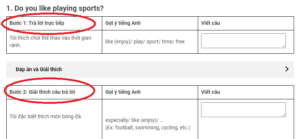
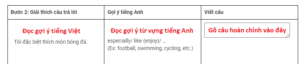
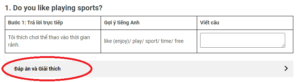
Giải thích đáp án chi tiết Cleaning Up The Thames IELTS Reading
Cùng thực hành giải bài đọc Cleaning Up The Thames IELTS Reading và tham khảo phần giải thích đáp án chi tiết từ IZONE trong bài viết này nhé!
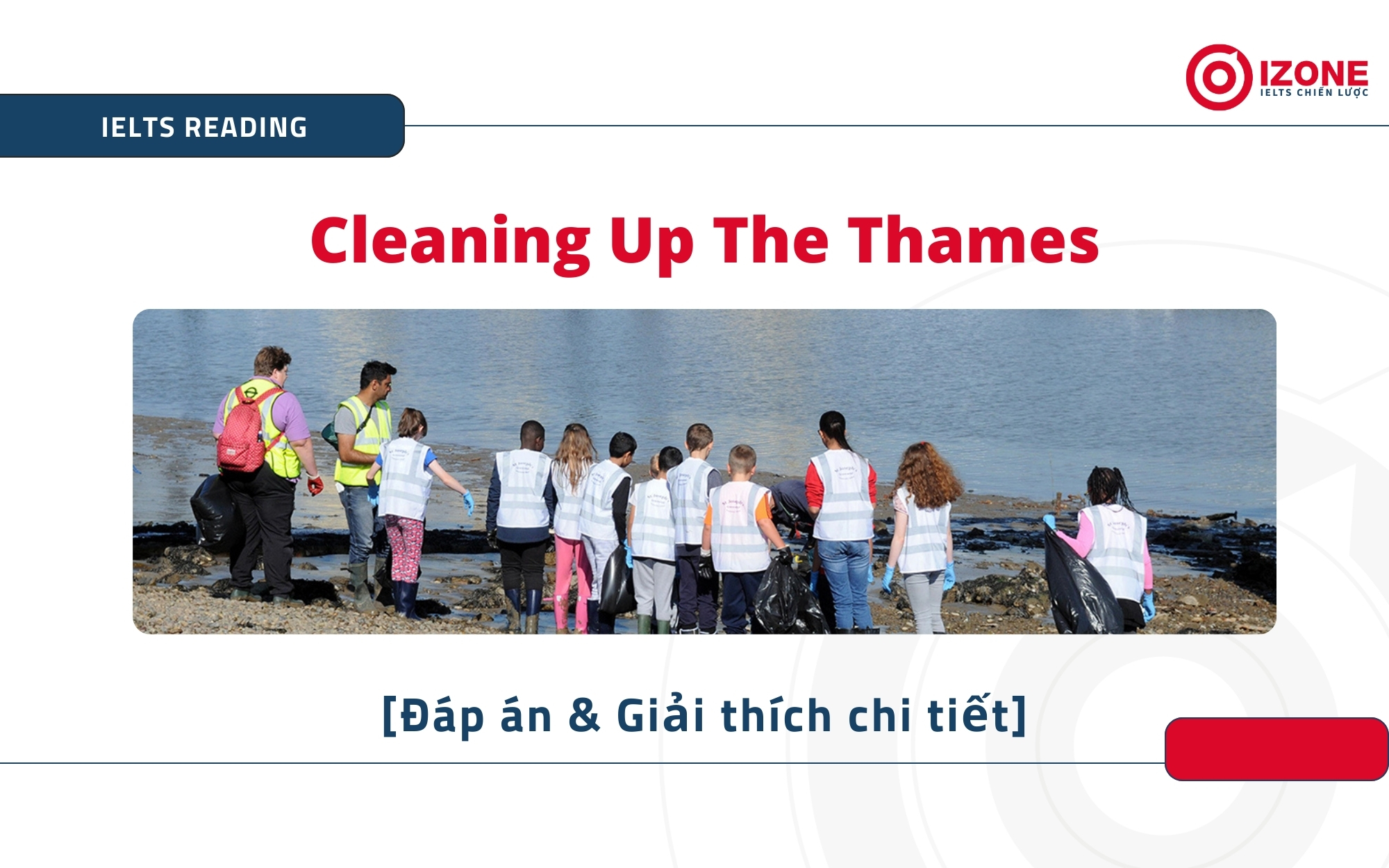
Bài đọc Cleaning Up The Thames
Cleaning Up The Thames
The River Thames, which was biologically “dead” as recently as the 1960s, is now the cleanest metropolitan river in the world, according to the Thames Water Company. The company says that thanks to major investment in better sewage treatment in London and the Thames Valley, the river that flows through the United Kingdom capital and the Thames Estuary into the North Sea is cleaner now than it has been for 130 years. The Fisheries Department, who are responsible for monitoring fish levels in the River Thames, has reported that the river has again become the home to 115 species of fish including sea bass, flounder, salmon, smelt, and shad. Recently, a porpoise was spotted cavorting in the river near central London.
But things were not always so rosy. In the 1950s, sewer outflows and industrial effluent had killed the river. It was starved of oxygen and could no longer support aquatic life. Until the early 1970s, if you fell into the Thames you would have had to be rushed to the hospital to get your stomach pumped. A clean-up operation began in the 1960s. Several Parliamentary Committees and Royal Commissions were set up, and, over time, legislation has been introduced that put the onus on polluters-effluent-producing premises and businesses to dispose of waste responsibly. In 1964 the Greater London Council (GLC) began work on greatly enlarged sewage works, which were completed in 1974.
The Thames clean up is not over, though. It is still going on, and it involves many disparate arms of government and a wide range of non-government stakeholder groups, all representing a necessary aspect of the task. In London’s case, the urban and non-urban London boroughs that flank the river’s course each have their own reasons for keeping “their” river nice. And if their own reasons do not hold out a sufficiently attractive carrot, the government also wields a compelling stick. The 2000 Local Government Act requires each local borough to “prepare a community strategy for promoting or improving the economic, social and environmental well-being of their area.” And if your area includes a stretch of river, that means a sustainable river development strategy.
Further legislation aimed at improving and sustaining the river’s viability has been proposed. There is now legislation that protects the River Thames, either specifically or as part of a general environmental clause, in the Local Government Act, the London Acts, and the law that created the post of the mayor of London. And these are only the tip of an iceberg that includes industrial, public health and environmental protection regulations. The result is a wide range of bodies officially charged, in one way or another, with maintaining the Thames as a public amenity. For example, Transport for London – the agency responsible for transport in the capital – plays a role in regulating river use and river users. They now are responsible for controlling the effluents and rubbish coming from craft using the Thames. This is done by officers on official vessels regularly inspecting craft and doing spot checks. Another example is how Thames Water (TW) has now been charged to reduce the amount of litter that finds its way into the tidal river and its tributaries. TW ’s environment and quality manager, Dr. Peter Spillett, said: “This project will build on our investment which has dramatically improved the water quality of the river.
“London should not be spoiled by litter which belongs in the bin not the river.” Thousands of tons of rubbish end up in the river each year, from badly stored waste, people throwing litter off boats, and rubbish in the street being blown or washed into the river. Once litter hits the water it becomes too heavy to be blown away again and therefore the rivers act as a sink in the system. While the Port of London already collects up to 3,000 tons of solid waste from the tideway every year, Thames Water now plans to introduce a new device to capture more rubbish floating down the river. It consists of a huge cage that sits in the flow of water and gathers the passing rubbish. Moored just offshore in front of the Royal Naval College at Greenwich, south-east London, the device is expected to capture up to 20 tons of floating litter each year.If washed out to sea, this rubbish can kill marine mammals, fish and birds. This machine, known as the Rubbish Muncher, is hoped to be the first of many, as the TW is now looking for sponsors to pay for more cages elsewhere along the Thames.
Monitoring of the cleanliness of the River Thames in the past was the responsibility of a welter of agencies – British Waterways, Port of London Authority, the Environment Agency, the Health and Safety Commission, Thames Water – as well as academic departments and national and local environment groups. If something was not right, someone was bound to call foul and hold somebody to account, whether it was the local authority, an individual polluter or any of the many public and private sector bodies that bore a share of the responsibility for maintaining the River Thames as a public amenity. Although they will all still have their part to play, there is now a central department in the Environment Agency, which has the remit of monitoring the Thames. This centralisation of accountability will, it is hoped, lead to more efficient control and enforcement.
Actions to clean up the river thames: A. Operating the rubbish muncher. B. Creating community strategies. C. Monitoring the cleanliness of the River Thames. D. Monitoring fish levels. E. Collecting solid waste from the tideway. F. Creating enlarged sewer works. G. Controlling the River Thames’ traffic.
Do the following statements agree with the information given in Reading Passage? In boxes 7-14 on your answer sheet, write YES if the statement agrees with the information NO if the statement contradicts the information NOT GIVEN if these is no information on this
Điểm số của bạn là % - đúng / câu
Đáp án và giải thích đáp án chi tiết Cleaning Up The Thames Reading answers
| 1. C – The Environment Agency | 5. A – Operating the rubbish muncher. |
| 2. G – Transport for London | 6. E – Collecting solid waste from the tideway |
| 3. F – The Greater London Council | 7. B – Creating community strategies |
| 7. Answer: YES | 11. Answer: YES |
| 8. Answer: NOT GIVEN | 12.Answer: NO |
| 9. Answer: NO | 13.Answer: YES |
| 10. Answer: YES | 14. Answer: NO |
Giải thích đáp án chi tiết Computer games for Cleaning Up The Thames IELTS Reading
|
Questions 1-6: Dạng Matching Phrases Cách làm:
Note:
|
|
|
1. The Environment Agency Dựa vào đoạn văn cuối có nhắc tới việc Cơ quan Môi trường hiện nay có trách nhiệm trung tâm trong việc giám sát độ sạch của sông Thames. => Đáp án: C. Monitoring the cleanliness of the River Thames |
There is now a central department in the Environment Agency, which has the remit of monitoring the Thames. |
|
2. Transport for London Dựa vào bài đọc, Tổ chức vận chuyển London có vai trò giám sát hoạt động giao thông đường sông và các tàu thuyền trên sông Thames. => Đáp án: G. Controlling the River Thames’ traffic |
Transport for London – the agency responsible for transport in the capital – plays a role in regulating river use and river users. They now are responsible for controlling the effluents and rubbish coming from craft using the Thames |
|
3. The Greater London Council Theo bài đọc, Năm 1964, GLC bắt đầu xây dựng hệ thống xử lý nước thải lớn hơn, hoàn thành vào 1974. => Đáp án: F. Creating enlarged sewer works |
In 1964 the Greater London Council (GLC) began work on greatly enlarged sewage works, which were completed in 1974. |
|
4. Thames Water Theo bài đọc, Thames Water là đơn vị giới thiệu và vận hành thiết bị “Rubbish Muncher” để gom rác trên sông. => Đáp án: A. Operating the rubbish muncher |
Thames Water now plans to introduce a new device to capture more rubbish floating down the river. It consists of a huge cage that sits in the flow of water and gathers the passing rubbish….. This machine, known as the Rubbish Muncher, is hoped to be the first of many, |
|
5. Port of London Trong bài đọc đề cập tới Cảng London đã thu gom tới 3.000 tấn rác rắn mỗi năm từ đoạn thủy triều sông Thames. => Đáp án: E. Collecting solid waste from the tideway |
While the Port of London already collects up to 3,000 tons of solid waste from the tideway every year, |
|
6. Local boroughs Theo Đạo luật Chính quyền Địa phương 2000, mỗi khu vực địa phương phải xây dựng chiến lược cộng đồng liên quan đến sự phát triển bền vững của sông. => Đáp án: B. Creating community strategies |
The 2000 Local Government Act requires each local borough to “prepare a community strategy for promoting or improving the economic, social and environmental well-being of their area. |
|
Questions 7 – 14: Dạng YES/NO/NOT GIVEN Cách làm:
Chọn đáp án bằng cách lần lượt trả lời 2 câu hỏi:
|
|
|
7. The Thames is now cleaner than it was in 1900.
=> Đoạn đầu bài có nói rằng sông Thames hiện tại sạch hơn bất kỳ thời điểm nào trong 130 năm qua. Tức là nó sạch hơn cả năm 1900. Đáp án là “YES” |
The river that flows through the United Kingdom capital and the Thames Estuary into the North Sea is cleaner now than it has been for 130 years. |
|
8. Swimming in the Thames now poses no health hazards.
=> Không có thông tin cụ thể trong bài đọc hiện tại về việc bơi trong sông Thames có còn nguy hiểm hay không. Chỉ nói rằng trước đây từng nguy hiểm. Đáp án là “NOT GIVEN” |
Until the early 1970s, if you fell into the Thames you would have had to be rushed to the hospital to get your stomach pumped. |
|
9. It is now mainly the responsibility of those who pollute the Thames to clean their waste up.
=> Dù có trách nhiệm đặt lên các đơn vị gây ô nhiễm, nhưng hiện tại có rất nhiều tổ chức chính phủ và phi chính phủ cùng chịu trách nhiệm. Không phải chỉ do người gây ô nhiễm. Đáp án là “NO” |
The Thames clean up is not over, though. It is still going on, and it involves many disparate arms of government and a wide range of non-government stakeholder groups, all representing a necessary aspect of the task. |
|
10. All local London boroughs are now partly responsible for keeping the Thames clean.
=> Dựa trên Đạo luật Chính quyền địa phương năm 2000, các quận có phần sông đều phải có chiến lược phát triển bền vững. Đáp án là “YES” |
The 2000 Local Government Act requires each local borough to “prepare a community strategy for promoting or improving the economic, social and environmental well-being of their area.” |
|
11. Transport for London now employs a type of river police to enforce control of their regulations.
=> Bài đọc có đề cập tới việc các nhân viên trên tàu kiểm tra đột xuất để kiểm soát chất thải và rác. Đáp án là “YES” |
Transport for London – the agency responsible for transport in the capital – plays a role in regulating river use and river users… This is done by officers on official vessels regularly inspecting craft and doing spot checks. |
|
12. Rubbish munchers are now situated at various locations on the Thames.
=> Chỉ có một thiết bị hiện tại được lắp đặt tại một địa điểm duy nhất, và hy vọng sẽ có thêm trong tương lai. Đáp án là “NO” |
Rubbish Muncher, is hoped to be the first of many, as the TW is now looking for sponsors to pay for more cages elsewhere along the Thames. |
|
13. Previously no one department had overall responsibility or control for monitoring the cleanliness of the Thames.
=> Trước đây, có rất nhiều cơ quan khác nhau cùng giám sát, nhưng giờ đã có một bộ phận trung tâm thuộc Cơ quan Môi trường chịu trách nhiệm chính. Đáp án là “YES” |
Whether it was the local authority, an individual polluter or any of the many public and private sector bodies that bore a share of the responsibility for maintaining the River Thames as a public amenity …. there is now a central department in the Environment Agency, which has the remit of monitoring the Thames. |
|
14. British Waterways will no longer have any part in keeping the Thames clean.
=> Mặc dù hiện tại có bộ phận trung tâm giám sát, nhưng các cơ quan trước đây, bao gồm British Waterways, vẫn có vai trò nhất định. Đáp án là “NO” |
Although they will all still have their part to play, there is now a central department in the Environment Agency, which has the remit of monitoring the Thames. |
Tổng kết
Bài viết trên IZONE đã cung cấp phần giải thích đáp án chi tiết cho bài đọc Cleaning up the Thames IELTS Reading. Mời bạn tiếp tục luyện tập kỹ năng Reading tại chuyên mục IELTS Reading của IZONE.