Giải chi tiết đề Australian culture and culture shock IELTS Reading
Cùng IZONE luyện tập và tham khảo phần giải thích đáp án chi tiết cho bài IELTS reading: Australian culture and culture shock trong bài viết này nhé!
Bài đọc Australian culture and culture shock IELTS Reading
Sometimes work, study or an sense of adventure take us out of our familiar surroundings to go and live in a different culture. The experience can be difficult, even shocking.
Almost everyone who studies, lives or works abroad has problems adjusting to a new culture. This response is commonly referred to as ‘culture shock’. Culture shock can be defined as ‘the physical and emotional discomfort a person experiences when entering a culture different from their own’ (Weaver, 1993).
For people moving to Australia, Price (2001) has identified certain values which may give rise to culture shock. Firstly, he argues that Australians place a high value on independence and personal choice. This means that a teacher or course tutor will not tell students what to do, but will give them a number of options and suggest they work out which one is the best in their circumstances. It also means that they are expected to take action if something goes wrong and seek out resources and support for themselves.
Australians are also prepared to accept a range of opinions rather than believing there is one truth. This means that in an educational setting, students will be expected to form their own opinions and defend the reasons for that point of view and the evidence for it.
Price also comments that Australians are uncomfortable with differences in status and hence idealise the idea of treating everyone equally. An illustration of this is that most adult Australians call each other by their first names. This concern with equality means that Australians are uncomfortable taking anything too seriously and are even ready to joke about themselves.
Australians believe that life should have a balance between work and leisure time. As a consequence, some students may be critical of others who they perceive as doing nothing but study.
Australian notions of privacy mean that areas such as financial matters, appearance and relationships are only discussed with close friends. While people may volunteer such information, they may resent someone actually asking them unless the friendship is firmly established. Even then, it is considered very impolite to ask someone what they earn. With older people, it is also rude to ask how old they are, why they are not married or why they do not have children. It is also impolite to ask people how much they have paid for something, unless there is a very good reason for asking.
Kohls (1996) describes culture shock as a process of change marked by four basic stages. During the first stage, the new arrival is excited to be in a new place, so this is often referred to as the “honeymoon” stage. Like a tourist, they are intrigued by all the new sights and sounds, new smells and tastes of their surroundings. They may have some problems, but usually they accept them as just part of the novelty. At this point, it is the similarities that stand out, and it seems to the newcomer that people everywhere and their way of life are very much alike. This period of euphoria may last from a couple of weeks to a month, but the letdown is inevitable.
During the second stage, known as the ‘rejection’ stage, the newcomer starts to experience difficulties due to the differences between the new culture and the way they were accustomed to living. The initial enthusiasm turns into irritation, frustration, anger and depression, and these feelings may have the effect of people rejecting the new culture so that they notice only the things that cause them trouble, which they then complain about. In addition, they may feel homesick, bored, withdrawn and irritable during this period as well.
Fortunately, most people gradually learn to adapt to the new culture and move on to the third stage, known as ‘adjustment and reorientation’. During this stage a transition occurs to a new optimistic attitude. As the newcomer begins to understand more of the new culture, they are able to interpret some of the subtle cultural clues which passed by unnoticed earlier. Now things make more sense and the culture seems more familiar. As a result, they begin to develop problem-solving skills, and feelings of disorientation and anxiety no longer affect them.
In Kohls’s model, in the fourth stage, newcomers undergo a process of adaptation. They have settled into the new culture, and this results in a feeling of direction and self-confidence. They have accepted the new food, drinks, habits and customs and may even find themselves enjoying some of the very customs that bothered them so much previously. In addition, they realise that the new culture has good and bad things to offer and that no way is really better than another, just different.
Questions 1-6
Do the following statements agree with the information given in Reading Passage?
In boxes 1-6 on your answer sheet, write
YES if the statement agrees with the information
NO if the statement contradicts the information
NOT GIVEN if these is no information on this
| THE STAGES OF CULTURE SHOCK | ||
| Name | Newcomers' reaction to problems | |
| Stage 1 | 7 | They notice the 8. between different nationalities and cultures. They may experience this stage for up to 9. |
| Stage 2 | Rejection | They reject the new culture and lose the 10. they had at the beginning. |
| Stage 3 | Adjustment and reorientation | They can understand some 11. which they had not reviously observed They learn 12. for dealing with difficulties |
| Stage 4 | 13. | They enjoy some of the customs that annoyed them before. |
Điểm số của bạn là % - đúng / câu
Đáp án bài đọc The history of the poster IELTS Reading answers
Australian culture and culture shock answers
| 1. TRUE | 7. Honeymoon |
| 2. NOT GIVEN | 8. similarities |
| 3. TRUE | 9. one month |
| 4. FALSE | 10. enthusiasm |
| 5. FALSE | 11. clues |
| 6. NOT GIVEN | 12. skills |
| 13. adaptation |
Giải thích đáp án chi tiết Australian culture and culture shock answers
Sau đây là Australian culture and culture shock Reading answers
|
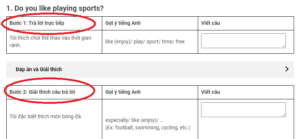
Questions 1 – 6: Dạng TRUE/FALSE/NOT GIVEN & YES/NO/NOT GIVEN Cách làm:
Chọn đáp án bằng cách lần lượt trả lời 2 câu hỏi:
|
|
|
1. Australian teachers will suggest alternatives to students rather than offer one solution.
Trong bài đọc nói rằng giáo viên sẽ không nói cho học sinh rằng họ cần phải làm gì mà sẽ cho họ nhiều lựa chọn và gợi ý rằng họ phải tìm ra lựa chọn nào là tốt nhất ở hoàn cảnh của mình => Vì vậy đáp án TRUE là đáp án hợp lí |
This means that a teacher or course tutor will not tell students wht to do, but will give them a number of options and suggest they work out which one is the best in their circumstances. |
|
2. In Australia, teachers will show interest in students’ personal circumstances.
Trong bài đọc, bài chỉ nói rằng học sinh cần tự chọn phương án phù hợp với hoàn cảnh của mình. Bài không nói rằng giáo viên sẽ quan tâm, hỏi han, tìm hiểu hoặc chú ý đến hoàn cảnh cá nhân của học sinh. => đáp án hợp lí là NOT GIVEN |
This means that a teacher or course tutor will not tell students what to do, but will give them a number of options and suggest they work out which one is the best in their circumstances. |
|
3. Australians use people’s first names so that everyone feels their status is similar.
Bài đọc nói người Úc không thoải mái với sự khác biệt về địa vị và thích ý tưởng đối xử bình đẳng với mọi người. Việc gọi nhau bằng tên riêng là một ví dụ cho điều đó. => Đáp án hợp lí là TRUE |
Price also comments that Australians are uncomfortable with differences in status and hence idealise the idea of treating everyone equally. An illustration of this is that most adult Australians call each other by their first names |
|
4. Students who study all the time may receive positive comments from their colleagues.
Câu hỏi nói những học sinh học suốt ngày có thể nhận được nhận xét tích cực từ bạn bè. Nhưng bài đọc nói ngược lại: một số học sinh có thể chỉ trích những người chỉ học mà không làm gì khác. => Đáp án là FALSE |
As a consequence, some students may be critical of others who they perceive as doing nothing but study. |
|
5. It is acceptable to discuss financial issues with people you do not know well.
Câu hỏi nói rằng có thể chấp nhận được khi thảo luận vấn đề tài chính với người mình không quen thân. Tuy nhiên bài đọc nói vấn đề tài chính chỉ được bàn với những người thân cận, và việc hỏi về thu nhập bị xem là rất bất lịch sự. => Đáp án là FALSE |
Australian notions of privacy mean that areas such as financial matters, appearance and relationships are only discussed with close friends. |
|
6. Younger Australians tend to be friendlier than older Australians.
Bài đọc có nhắc đến older people, nhưng chỉ nói rằng với người lớn tuổi, hỏi tuổi, hỏi vì sao chưa kết hôn hoặc chưa có con là bất lịch sự. Bài không hề so sánh người Úc trẻ tuổi và người Úc lớn tuổi về mức độ thân thiện. Vì vậy không có đủ thông tin để xác định câu này đúng hay sai. => Đáp án là NOT GIVEN |
With older people, it is also rude to ask how old they are, why they are not married or why they do not have children. It is also impolite to ask people how much they have paid for something, unless there is a very good reason for asking. |
|
Questions 7 – 13: Dạng Diagram/ Table/ Flowchart Completion Cách làm: Bước 1: Đọc kĩ câu hỏi và gạch chân từ khóa, khoanh tròn giới hạn từ Bước 2: Xác định từ loại và loại thông tin cần điền trong chỗ trống (VD: noun – a person) Bước 3: Scan từ khóa đã xác định trong đoạn văn Bước 4: Điền vào chỗ trống, kiểm tra lại giới hạn từ & ngữ pháp |
|
|
7. Honeymoon Bài đọc nói giai đoạn đầu tiên được gọi là honeymoon stage, vì người mới đến cảm thấy hào hứng với môi trường mới. |
During the first stage, the new arrival is excited to be in a new place, so this is often referred to as the ‘honeymoon’ stage |
|
8. similarities Trong giai đoạn đầu, người mới đến chú ý nhiều hơn đến những điểm giống nhau giữa con người và lối sống ở các nền văn hóa khác nhau. Cụm stand out nghĩa là nổi bật, dễ được chú ý. => Vì vậy từ cần điền là similarities. |
Like a tourist, they are intrigued by all the new sights and sounds, new smells and tastes of their surroundings. They may have some problems, but usually they accept them as just part of the novelty. At this point, it is the similarities that stand out… |
|
9. one month / a month Bài đọc nói giai đoạn vui vẻ, phấn khích ban đầu có thể kéo dài từ vài tuần đến một tháng. Câu hỏi dùng cụm up to, nghĩa là “lên đến” => nên đáp án là one month. |
This period of euphoria may last from a couple of weeks to a month, but the letdown is inevitable. |
|
10. enthusiasm Ở giai đoạn hai, sự hào hứng ban đầu biến thành khó chịu, thất vọng, tức giận và buồn bã. => Vì vậy người mới đến mất đi sự enthusiasm, tức sự nhiệt tình / hào hứng ban đầu. |
During the second stage, known as the ‘rejection’ stage, the newcomer starts to experience difficulties due to the differences between the new culture and the way they were accustomed to living. The initial enthusiasm turns into irritation, frustration, anger and depression, |
|
11. clues Sang giai đoạn ba, người mới đến bắt đầu hiểu được một số dấu hiệu văn hóa tinh tế mà trước đó họ không nhận ra. Từ khóa trong câu hỏi là had not previously observed, tương ứng với passed by unnoticed earlier trong bài. => Từ cần điền là “clues” |
they are able to interpret some of the subtle cultural clues which passed by unnoticed earlier. Now things make more sense and the culture seems more familiar. As a result, they begin to develop problem-solving skills, and feelings of disorientation and anxiety no longer affect them. |
|
12. skills Ở giai đoạn ba, người mới đến bắt đầu phát triển các kỹ năng giải quyết vấn đề. Câu hỏi diễn đạt là “kỹ năng để xử lý khó khăn”, tương ứng với problem-solving skills trong bài. => Đáp án là skills |
As a result, they begin to develop problem-solving skills, and feelings of disorientation and anxiety no longer affect them. |
|
13. adaptation Bài đọc nói rõ giai đoạn thứ tư là quá trình adaptation, tức sự thích nghi. Ở giai đoạn này, người mới đến đã ổn định trong nền văn hóa mới và có cảm giác tự tin hơn. => Đáp án là adaptation. |
In Kohls’s model, in the fourth stage, newcomers undergo a process of adaptation. They have settled into the new culture |
Trên đây là phần giải thích đáp án chi tiết cho bài đọc Australian culture and culture shock. Rèn luyện kỹ năng Reading tại chuyên mục IELTS Reading hoặc tìm hiểu các kỹ năng làm IELTS Reading tại Series Kỹ năng làm bài IELTS Reading của IZONE.