Giải Persistent bullying is one of the worst experiences a child can face IELTS Reading
Bài viết này IZONE sẽ cung cấp phần giải thích đáp án chi tiết cho bài đọc Persistent bullying is one of the worst experiences a child can face IELTS Reading.
Bài đọc Persistent bullying is one of the worst experiences a child can face IELTS Reading
Persistent bullying is one of the worst experiences a child can face
How can it be prevented? Peter Smith, Professor of Psychology at the University of Sheffield, directed the Sheffield Anti-Bullying Intervention Project, funded by the Department for Education. Here he reports on his findings.
A. Bullying can take a variety of forms, from the verbal – being taunted or called hurtful names – to the physical – being kicked or shoved – as well as indirect forms, such as being excluded from social groups. A survey I conducted with Irene Whitney found that in British primary schools up to a quarter of pupils reported experience of bullying, which in about one in ten cases was persistent. There was less bullying in secondary schools, with about one in twenty-five suffering persistent bullying, but these cases may be particularly recalcitrant.
B. Bullying is clearly unpleasant, and can make the child experiencing it feel unworthy and depressed. In extreme cases it can even lead to suicide, though this is thankfully rare. Victimised pupils are more likely to experience difficulties with interpersonal relationships as adults, while children who persistently bully are more likely to grow up to be physically violent, and convicted of anti-social offences.
C. Until recently, not much was known about the topic, and little help was available to teachers to deal with bullying. Perhaps as a consequence, schools would often deny the problem. ‘There is no bullying at this school’ has been a common refrain, almost certainly untrue. Fortunately more schools are now saying: There is not much bullying here, but when it occurs we have a clear policy for dealing with it.’
D. Three factors are involved in this change. First is an awareness of the severity of the problem. Second, a number of resources to help tackle bullying have become available in Britain. For example, the Scottish Council for Research in Education produced a package of materials, Action Against Bullying, circulated to all schools in England and Wales as well as in Scotland in summer 1992, with a second pack, Supporting Schools Against Bullying, produced the following year. In Ireland, Guidelines on Countering Bullying Behaviour in Post-Primary Schools was published in 1993. Third, there is evidence that these materials work, and that schools can achieve something. This comes from carefully conducted ‘before and after’ evaluations of interventions in schools, monitored by a research team. In Norway, after an intervention campaign was introduced nationally, an evaluation of forty-two schools suggested that, over a two-year period, bullying was halved. The Sheffield investigation, which involved sixteen primary schools and seven secondary schools, found that most schools succeeded in reducing bullying.
E. Evidence suggests that a key step is to develop a policy on bullying, saying clearly what is meant by bullying, and giving explicit guidelines on what will be done if it occurs, what records will be kept, who will be informed, what sanctions will be employed. The policy should be developed through consultation, over a period of time – not just imposed from the head teacher’s office! Pupils, parents and staff should feel they have been involved in the policy, which needs to be disseminated and implemented effectively.Education
Other actions can be taken to back up the policy. There are ways of dealing with the topic through the curriculum, using video, drama and literature. These are useful for raising awareness, and can best be tied in to early phases of development, while the school is starting to discuss the issue of bullying. They are also useful in renewing the policy for new pupils, or revising it in the light of experience. But curriculum work alone may only have short-term effects; it should be an addition to policy work, not a substitute.
There are also ways of working with individual pupils, or in small groups. Assertiveness training for pupils who are liable to be victims is worthwhile, and certain approaches to group bullying such as ‘no blame’, can be useful in changing the behaviour of bullying pupils without confronting them directly, although other sanctions may be needed for those who continue with persistent bullying.
Work in the playground is important, too. One helpful step is to train lunchtime supervisors to distinguish bullying from playful fighting, and help them break up conflicts. Another possibility is to improve the playground environment, so that pupils are less likely to be led into bullying from boredom or frustration.
F. With these developments, schools can expect that at least the most serious kinds of bullying can largely be prevented. The more effort put in and the wider the whole school involvement, the more substantial the results are likely to be. The reduction in bullying – and the consequent improvement in pupil happiness – is surely a worthwhile objective.
Questions 1-4
Reading Passage 3 has six sections, A-F.
Choose the correct heading for sections A-D from the list of headings below.
Write the correct number, i-vii, in boxes 1-4 on your answer sheet.
List of Headings
i. The role of video violence
ii. The failure of government policy
iii. Reasons for the increased rate of bullying
iv. Research into how common bullying is in British schools
v. The reaction from schools to enquiries about bullying
vi. The effect of bullying on the children involved
vii. Developments that have led to a new approach by schools
Questions 5-8
Choose the coned Idler, A, B, C or D.
Write the correct letter in boxes 5-8 on your answer sheet.
5. A recent survey found that in British secondary schools
6. Children who are bullied
7. The writer thinks that the declaration ‘There is no bullying at this school’
8. What were the findings of research carried out in Norway?
Questions 9-13
Complete the summary below.
Choose NO MORE THAN TWO WORDS from the passage for each answer.
Write your answers in boxes 9-13 on your answer sheet.
What steps should schools take to reduce bullying?
The most important step is for the school authorities to produce a 9 which makes the school's attitude towards bullying quite clear.
It should include detailed 10 as to how the school and its staff will react if bullying occurs.
In addition, action can be taken through the 11
This is particularly useful in the early part of the process, as a way of raising awareness and encouraging discussion.
On its own, however, it is insufficient to bring about a permanent solution.
Effective work can also be done with individual pupils and small groups.
For example, potential 12 of bullying can be trained to be more self-confident.
Or again,in dealing with group bullying, a 'no blame' approach, which avoids confronting the offender too directly, is often effective.
Playground supervision will be more effective if members of staff are trained to recognise the difference between bullying and mere 13
Questions 14
Choose the correct letter, A, B, C or D.
Write the correct letter in box 14 on your answer sheet.
Which of the following is the most suitable title for Reading Passage 3?
Điểm số của bạn là % - đúng / câu
Đáp án bài đọc Bullying IELTS Reading answer
| 1. iv | 8. A |
| 2. vi | 9. policy |
| 3. v | 10. (explicit) guidelines |
| 4. vii | 11. (school) curriculum |
| 5. B | 12. victims |
| 6. D | 13. playful fighting |
| 7. D | 14. D |
Giải thích đáp án chi tiết Bullying IELTS Reading answer
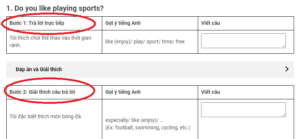
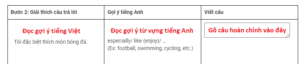
Questions 14- 18: Dạng Matching heading Cách làm:
| |
1. Heading iv. Research into how common bullying is in British schools Section A nói về các hình thức bắt nạt và đặc biệt đưa ra kết quả khảo sát tại các trường tiểu học và trung học ở Anh. Tác giả nêu rõ tỉ lệ học sinh bị bắt nạt, trong đó có cả bắt nạt kéo dài. Vì vậy heading phù hợp nhất là nghiên cứu về mức độ phổ biến của bắt nạt ở các trường học Anh. | Section A: A survey I conducted with Irene Whitney found that in British primary schools up to a quarter of pupils reported experience of bullying, which in about one in ten cases was persistent. There was less bullying in secondary schools, with about one in twenty-five suffering persistent bullying, but these cases may be particularly recalcitrant. |
2. Heading vi: The effect of bullying on the children involved Section B tập trung vào hậu quả của bắt nạt đối với cả nạn nhân và người bắt nạt. Nạn nhân có thể cảm thấy vô giá trị, trầm cảm, thậm chí tự tử trong trường hợp nghiêm trọng. Người thường xuyên bắt nạt người khác cũng có nguy cơ trở nên bạo lực và phạm tội khi lớn lên. Vì vậy heading đúng là ảnh hưởng của bắt nạt đối với những đứa trẻ liên quan. | Section B: Bullying is clearly unpleasant, and can make the child experiencing it feel unworthy and depressed. In extreme cases it can even lead to suicide, though this is thankfully rare. Victimised pupils are more likely to experience difficulties with interpersonal relationships as adults, while children who persistently bully are more likely to grow up to be physically violent, and convicted of anti-social offences. |
3. Heading v. The reaction from schools to enquiries about bullying | Section C: Until recently, not much was known about the topic, and little help was available to teachers to deal with bullying. Perhaps as a consequence, schools would often deny the problem. ‘There is no bullying at this school’ has been a common refrain, almost certainly untrue. Fortunately more schools are now saying: There is not much bullying here, but when it occurs we have a clear policy for dealing with it.’ |
4. Heading vii. Developments that have led to a new approach by schools Section D trình bày ba yếu tố dẫn đến sự thay đổi trong cách các trường xử lý bắt nạt: nhận thức rõ hơn về mức độ nghiêm trọng, tài liệu hỗ trợ chống bắt nạt được phát triển, và bằng chứng cho thấy các biện pháp can thiệp có hiệu quả. Vì vậy heading đúng là những phát triển dẫn đến cách tiếp cận mới của trường học. | Section D: Three factors are involved in this change. First is an awareness of the severity of the problem. Second, a number of resources to help tackle bullying have become available in Britain. For example, the Scottish Council for Research in Education produced a package of materials, Action Against Bullying, circulated to all schools in England and Wales as well as in Scotland in summer 1992, with a second pack, Supporting Schools Against Bullying, produced the following year. In Ireland, Guidelines on Countering Bullying Behaviour in Post-Primary Schools was published in 1993. Third, there is evidence that these materials work, and that schools can achieve something. |
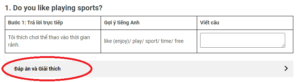
Questions 5-8: Dạng MCQ Cách làm:
Chứng minh các đáp án ĐÚNG/SAI bằng cách lần lượt trả lời 2 câu hỏi:
| |
5. A recent survey found that in British secondary schools | |
B. there was less bullying than in primary schools. Đáp án B đúng vì bài đọc nói rõ rằng ở trường trung học có ít bắt nạt hơn so với trường tiểu học. Section A nêu ở tiểu học có tới một phần tư học sinh từng bị bắt nạt, còn ở trung học thì ít hơn. | Section A: in British primary schools up to a quarter of pupils reported experience of bullying, which in about one in ten cases was persistent. There was less bullying in secondary schools, with about one in twenty-five suffering persistent bullying, but these cases may be particularly recalcitrant. |
A. there was more bullying than had previously been the case. Sai vì bài đọc không so sánh với tình hình trước đây. Không có thông tin rằng bắt nạt ở trung học tăng so với trước. | Section A: There was less bullying in secondary schools |
C. cases of persistent bullying were very common. Sai vì bài đọc nói ở trường trung học chỉ khoảng 1 trong 25 học sinh chịu bắt nạt kéo dài. Đây không phải là “very common”. | Section A: with about one in twenty-five suffering persistent bullying |
D. indirect forms of bullying were particularly difficult to deal with. Sai vì Section A có nhắc đến hình thức bắt nạt gián tiếp như bị loại khỏi nhóm xã hội, nhưng không nói hình thức này đặc biệt khó xử lý. | Section A: as well as indirect forms, such as being excluded from social groups |
6. Children who are bullied | |
D. may have difficulty forming relationships in later life. Đáp án D đúng vì bài đọc nói học sinh bị bắt nạt khi lớn lên có khả năng gặp khó khăn trong các mối quan hệ giữa người với người. “In later life” tương đương với “as adults”. | Section B: Victimised pupils are more likely to experience difficulties with interpersonal relationships as adults. |
A. are twice as likely to commit suicide as the average person. Sai vì bài đọc chỉ nói trong trường hợp cực đoan, bắt nạt có thể dẫn đến tự tử, nhưng không đưa ra số liệu “twice as likely”. | Section B: In extreme cases it can even lead to suicide, though this is thankfully rare |
B. find it more difficult to relate to adults. Sai vì bài đọc nói các em có thể gặp khó khăn trong các mối quan hệ khi đã trưởng thành, không phải khó khăn trong việc liên hệ với người lớn. | Section B: difficulties with interpersonal relationships as adults |
C. are less likely to be violent in later life. Sai vì thông tin “trở nên bạo lực khi lớn lên” được dùng cho những trẻ thường xuyên bắt nạt người khác, không phải trẻ bị bắt nạt. | Section B: children who persistently bully are more likely to grow up to be physically violent |
7. The writer thinks that the declaration ‘There is no bullying at this school’ | |
D. reflected a lack of knowledge and resources. Đáp án D đúng vì ngay trước câu này, tác giả nói rằng trước đây không có nhiều hiểu biết về chủ đề bắt nạt và giáo viên có ít sự hỗ trợ. “Perhaps as a consequence” cho thấy việc các trường phủ nhận vấn đề là hậu quả của thiếu hiểu biết và thiếu nguồn lực. | Section C: Until recently, not much was known about the topic, and little help was available to teachers to deal with bullying. Perhaps as a consequence, schools would often deny the problem. |
A. is no longer true in many schools. Sai vì tác giả nói câu tuyên bố đó gần như chắc chắn là không đúng, nhưng trọng tâm không phải là “hiện nay nó không còn đúng ở nhiều trường”. Ý chính là trước đây các trường thường phủ nhận do thiếu hiểu biết và hỗ trợ. | Section C: ‘There is no bullying at this school’ has been a common refrain, almost certainly untrue. |
B. was not in fact made by many schools. Sai vì bài đọc nói đây là một câu thường gặp, tức là nhiều trường đã nói như vậy. | Section C: ‘There is no bullying at this school’ has been a common refrain, almost certainly untrue. |
C. reflected the school’s lack of concern. Sai vì bài không nói các trường thiếu quan tâm. Nguyên nhân được nêu là thiếu hiểu biết và thiếu sự hỗ trợ cho giáo viên. | Section C: not much was known about the topic, and little help was available to teachers… |
8. What were the findings of research carried out in Norway? | |
A. Bullying declined by 50% after an anti-bullying campaign. Đáp án A đúng vì bài đọc nói sau khi chiến dịch can thiệp được triển khai trên toàn quốc ở Na Uy, đánh giá ở 42 trường cho thấy bắt nạt đã giảm một nửa trong vòng hai năm. “Halved” nghĩa là giảm 50%. | Section D: In Norway, after an intervention campaign was introduced nationally, an evaluation of forty-two schools suggested that, over a two-year period, bullying was halved. |
B. Twenty-one schools reduced bullying as a result of an anti-bullying campaign. Sai vì “forty-two schools” là số trường được đánh giá, không phải số trường đã giảm bắt nạt. “Bullying was halved” nói về mức độ bắt nạt giảm một nửa, không phải 21 trong 42 trường. | Section D: an evaluation of forty-two schools suggested that… bullying was halved |
C. Two years is the optimum length for an anti-bullying campaign. Sai vì bài đọc chỉ nói kết quả được quan sát trong khoảng thời gian hai năm, không nói hai năm là thời lượng tối ưu cho chiến dịch. | Section D: over a two-year period, bullying was halved |
D. Bullying is a less serious problem in Norway than in the UK. Sai vì bài đọc không so sánh mức độ nghiêm trọng của bắt nạt ở Na Uy và Anh. Nó chỉ nêu kết quả chiến dịch tại Na Uy. | Section D: In Norway… bullying was halved. |
Questions 9-13: Dạng Sentence Completion Cách làm
| |
The most important step is for the school authorities to produce a 9______ which makes the school’s attitude towards bullying quite clear. Đáp án là policy vì bài đọc nói bước then chốt là phát triển một chính sách về bắt nạt. Chính sách này cần nói rõ bắt nạt là gì và trường sẽ làm gì khi xảy ra bắt nạt. | Section E: Evidence suggests that a key step is to develop a policy on bullying, saying clearly what is meant by bullying |
It should include detailed 10______ as to how the school and its staff will react if bullying occurs. Đáp án là explicit guidelines vì bài đọc nói chính sách phải đưa ra hướng dẫn rõ ràng về việc sẽ làm gì nếu bắt nạt xảy ra, ghi chép ra sao, thông báo cho ai và áp dụng hình phạt nào. | Section E: giving explicit guidelines on what will be done if it occurs, what records will be kept, who will be informed, what sanctions will be employed. |
In addition, action can be taken through the 11______ Đáp án là curriculum hoặc school curriculum vì bài đọc nói có thể xử lý chủ đề bắt nạt thông qua chương trình học, sử dụng video, kịch và văn học. | Section E: There are ways of dealing with the topic through the curriculum, using video, drama and literature. |
For example, potential 12______ of bullying can be trained to be more self-confident. Đáp án là victims vì bài đọc nói việc rèn luyện tính quyết đoán cho những học sinh có khả năng trở thành nạn nhân là hữu ích. “Liable to be victims” nghĩa là có nguy cơ trở thành nạn nhân. | Section E: Assertiveness training for pupils who are liable to be victims is worthwhile |
Playground supervision will be more effective if members of staff are trained to recognise the difference between bullying and mere 13______ Đáp án là playful fighting vì bài đọc nói cần huấn luyện người giám sát giờ ăn trưa phân biệt giữa bắt nạt và đánh nhau đùa nghịch. | Section E: One helpful step is to train lunchtime supervisors to distinguish bullying from playful fighting |
Questions 14: Dạng MCQ Cách làm:
Chứng minh các đáp án ĐÚNG/SAI bằng cách lần lượt trả lời 2 câu hỏi:
| |
14. Which of the following is the most suitable title for Reading Passage 3? | |
D. Bullying: from crisis management to prevention Đáp án D đúng vì toàn bài không chỉ nói về vấn đề bắt nạt mà còn tập trung vào cách các trường thay đổi từ phủ nhận/xử lý bị động sang xây dựng chính sách, nâng cao nhận thức, can thiệp, giám sát sân chơi và phòng ngừa bắt nạt. Từ “prevention” rất phù hợp với kết luận của bài. | Section F: With these developments, schools can expect that at least the most serious kinds of bullying can largely be prevented.”
Section E: Evidence suggests that a key step is to develop a policy on bullying |
A. Bullying: what parents can do Sai vì bài đọc chủ yếu nói về những gì trường học có thể làm, không tập trung vào vai trò của phụ huynh. Phụ huynh chỉ được nhắc đến trong việc tham gia xây dựng chính sách. | Section E: Pupils, parents and staff should feel they have been involved in the policy |
B. Bullying: are the media to blame? Sai vì bài không bàn về việc truyền thông/media có gây ra bắt nạt hay không. Video chỉ được nhắc như một công cụ trong chương trình học để nâng cao nhận thức, không phải nguyên nhân gây bắt nạt. | Section E: using video, drama and literature |
C. Bullying: the link with academic failure Sai vì bài không thảo luận mối liên hệ giữa bắt nạt và thất bại học tập. Bài nói về tác động tâm lý, quan hệ xã hội, bạo lực sau này và các biện pháp phòng chống. | Section B: Bullying is clearly unpleasant, and can make the child experiencing it feel unworthy and depressed. In extreme cases it can even lead to suicide, though this is thankfully rare. Victimised pupils are more likely to experience difficulties with interpersonal relationships as adults, |
Bài viết trên IZONE đã cung cấp phần giải thích đáp án chi tiết cho Persistent bullying is one of the worst experiences a child can face IELTS Reading. Rèn luyện kỹ năng Reading tại chuyên mục IELTS Reading hoặc tìm hiểu các kỹ năng làm IELTS Reading tại Series Kỹ năng làm bài IELTS Reading của IZONE.