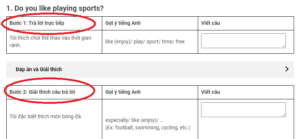
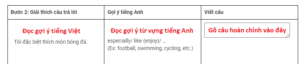
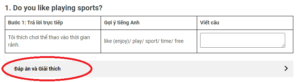
Trong IELTS Speaking, nói hay chưa đủ – bạn còn phải dùng thì đúng để câu trả lời rõ ràng, mạch lạc. Ở Unit 1: Holidays and Travel, IZONE sẽ giúp bạn ứng dụng Simple Tenses vào từng dạng câu hỏi trong IELTS Speaking part 1, part 2 và part 3.
IELTS Speaking Topic Holidays And Travel – Part 1
Cùng IZONE khám phá và luyện nói với holidays and travelling topic với bộ câu hỏi chuẩn IELTS part 1, kèm từ vựng trọng tâm và câu trả lời mẫu dễ áp dụng.
Speaking About Holidays
1, What do you usually do during holidays?
| Câu trả lời | Từ vựng gợi ý |
|
Yes, I really look forward to holidays because I can take a break and recharge. It’s also a chance to spend quality time with people I care about after a stressful period. |
|
2, Do you prefer spending holidays at home or going out?
| Câu trả lời | Từ vựng gợi ý |
|
It depends on how tired I am. If I’m exhausted, a staycation feels more peaceful, but if I need a change, I’ll take a short getaway even if places are a bit crowded. |
|
3, Which holiday is the most important in your country?
| Câu trả lời | Từ vựng gợi ý |
|
In my country, the most important one is a traditional holiday that people celebrate with a big family reunion. The atmosphere is really festive, and it feels very meaningful. |
|
4, Do you take photos during holidays?
| Câu trả lời | Từ vựng gợi ý |
|
Yes, I always take photos to capture memories, especially of the scenery. I might post on social media, but I try not to overdo it and just enjoy the moment. |
|
5, Do you prefer long holidays or short holidays?
| Câu trả lời | Từ vựng gợi ý |
|
I prefer a long weekend because it’s still refreshing but doesn’t mess up my tight schedule. If I plan ahead, I can relax without feeling like I’m going to burn out later. |
|
Speaking About Travelling
1, Do you like travelling?
| Câu trả lời | Từ vựng gợi ý |
|
Yes, I do. Travelling gives me a change of scenery and a break from routine, so I can recharge. I also love to explore and try local cuisine. |
|
2, How often do you travel?
| Câu trả lời | Từ vựng gợi ý |
|
Not that often – usually once or twice a year. I go on a short getaway whenever I can, but I have a tight schedule, so I need to make time for it. |
|
3, Where do you usually go when you travel?
| Câu trả lời | Từ vựng gợi ý |
|
I usually choose places within driving distance, like a coastal city or the countryside. I prefer somewhere scenic and not too crowded. |
|
4, Do you prefer travelling alone or with others?
| Câu trả lời | Từ vựng gợi ý |
|
I prefer travelling with a travel companion, usually a close friend. We can split costs, they keep me company, and the trip is still flexible – plus I can still have some me-time. |
|
5, Do you like to plan your trips in advance?
| Câu trả lời | Từ vựng gợi ý |
|
For long distances, flying is more convenient and helps me save time. In big cities, I use public transport or ride-hailing, depending on what’s more comfortable. |
|
IELTS Speaking Topic Holidays and Travel – Part 2&3
Tiếp theo, cùng IZONE chuyển sang IELTS Speaking Part 2 & Part 3 với chủ đề Holidays and Travel. Phần này bao gồm cue card để luyện triển khai ý mạch lạc và câu hỏi thảo luận giúp bạn phát triển quan điểm sâu hơn, kèm từ vựng trọng tâm và câu trả lời mẫu để áp dụng trực tiếp vào bài thi.
IELTS Speaking Topic Holidays
Describe a holiday tradition in your countryYou should say:
|
Bài mẫu cho band 7.0
A holiday tradition in my country that I find truly special is Tet, which is our biggest traditional holiday. It usually takes place around late January or early February, based on the lunar calendar, and it marks the start of a new year.
In the weeks leading up to Tet, families clean their houses and decorate them with flowers and red ornaments. When the holiday begins, people travel back to their hometowns for a family reunion, so you can really feel a warm festive atmosphere everywhere. Another important part is ancestor worship. Many families prepare an altar, offer food, and light incense to show respect and gratitude to their ancestors. During Tet, people also cook special dishes that are only made at this time of year, and children often receive lucky money in red envelopes as a symbol of good fortune.
I think this tradition is extremely meaningful because it brings families closer and strengthens relationships. It also helps cultural values get passed down to younger generations, giving them a strong sense of belonging. For me, Tet isn’t just a break from work—it’s a reminder of where we come from and what we should appreciate.
Từ vựng gợi ý:
- traditional holiday (n): ngày lễ truyền thống
- lunar calendar (n): lịch âm
- family reunion (n): sum họp gia đình
- festive atmosphere (n): không khí lễ hội
- decorate (v): trang trí
- ancestor worship (n): thờ cúng tổ tiên
- special dishes (n): món ăn đặc biệt
- lucky money (n): tiền lì xì
- meaningful (adj): ý nghĩa
- pass down (v): truyền lại qua thế hệ
- sense of belonging (n): cảm giác gắn kết/thuộc về
Mẫu câu hỏi & trả lời topic Holidays – Part 3
1, Why do people need holidays?
| Câu trả lời | Từ vựng gợi ý |
|
People need holidays to reduce stress and protect their mental health. A proper break helps them recharge, which often improves productivity when they go back to work. It’s also essential for maintaining work-life balance. |
|
2, Do you think public holidays are important for a country?
| Câu trả lời | Từ vựng gợi ý |
|
Yes, public holidays are important because they strengthen national identity and preserve tradition. They bring people together as a community, especially across generations. That shared time can be really meaningful, not just for individuals but for society. |
|
3, What are the disadvantages of having too many holidays?
| Câu trả lời | Từ vựng gợi ý |
|
Too many holidays can disrupt business operations and even lead to economic loss. Some essential services still need to run, so it may create staffing problems. People can also fall behind at work or school if breaks happen too often. |
|
IELTS Speaking Topic Travelling
|
Describe a trip you enjoy You should say:
|
Bài mẫu cho band 7.0
One trip I really enjoy is a weekend getaway to Da Nang with a close friend. We usually go when the weather is nice and the city isn’t too crowded, because we prefer a relaxed pace.
Before we leave, we create a simple itinerary, but we keep it flexible. In the mornings, we walk along the beach and enjoy the scenic views, and we take our time instead of rushing. In the afternoons, we explore local neighbourhoods, visit small cafés, and try different kinds of local cuisine, especially seafood and regional snacks. We also choose one place off the beaten track, where there are fewer tourists, so it feels more authentic. Overall, we try to soak up the atmosphere by walking around, people-watching, and enjoying the slower lifestyle.
What makes this trip so memorable is the balance between comfort and discovery. It’s quite budget-friendly, so we don’t stress about spending money, and travelling with a friend makes it more fun. Most importantly, this kind of trip helps me recharge, so I return home feeling refreshed and motivated.
Từ vựng gợi ý:
- getaway (n): chuyến đi ngắn để đổi gió
- itinerary (n): lịch trình
- scenic (adj): có cảnh đẹp
- crowded (adj): đông đúc
- local cuisine (n): ẩm thực địa phương
- soak up the atmosphere (phrase): tận hưởng không khí/khung cảnh
- off the beaten track (phrase): nơi ít khách, ít “du lịch hoá”
- budget-friendly (adj): hợp túi tiền
- recharge (v): nạp lại năng lượng
- memorable (adj): đáng nhớ
Mẫu câu hỏi & trả lời topic Holidays – Part 3
1, Do you think travelling helps people understand other cultures?
|
Câu trả lời |
Từ vựng gợi ý |
|
Yes, it can, especially when people try cultural immersion instead of only visiting tourist spots. By observing the local lifestyle, travellers become more open-minded and may question a stereotype they used to believe. In that way, travelling helps them gain perspective. |
|
2, What are the advantages and disadvantages of tourism for local people?
| Câu trả lời | Từ vựng gợi ý |
|
Tourism can boost the local economy and create jobs, which is a big advantage. However, in popular areas, the cost of living may rise, and places can become overcrowded. If tourism isn’t managed well, it can also cause environmental damage. |
|
3, Why do some destinations become overcrowded?
| Câu trả lời | Từ vựng gợi ý |
|
Many places become overcrowded because of social media. When a destination goes viral, it quickly turns into one of the biggest travel trends, especially during peak season. Over time, the place can feel more touristy, and locals may find it hard to enjoy their own city. |
|
Tổng hợp từ vựng & Ngữ pháp chủ đề Holidays and Travel
Từ vựng chủ đề Holidays and Travel
| Từ/Cụm từ | IPA | Từ loại | Nghĩa |
| Holidays & Planning | |||
| holiday | /ˈhɒlədeɪ/ | n | kỳ nghỉ |
| vacation | /vəˈkeɪʃən/ | n | kỳ nghỉ (Mỹ) |
| long weekend | /ˌlɒŋ ˈwiːkend/ | n | kỳ nghỉ cuối tuần dài |
| public holiday | /ˌpʌblɪk ˈhɒlədeɪ/ | n | ngày nghỉ lễ |
| festive season | /ˌfestɪv ˈsiːzən/ | n | mùa lễ hội |
| getaway | /ˈɡetəweɪ/ | n | chuyến đi ngắn “đổi gió” |
| staycation | /steɪˈkeɪʃən/ | n | nghỉ tại chỗ |
| destination | /ˌdes.tɪˈneɪ.ʃən/ | n | điểm đến |
| itinerary | /aɪˈtɪnərəri/ | n | lịch trình |
| book in advance | /bʊk ɪn ədˈvɑːns/ | v phrase | đặt trước |
| plan ahead | /plæn əˈhed/ | v phrase | lên kế hoạch trước |
| peak season | /ˈpiːk ˌsiːzən/ | n | mùa cao điểm |
| off-season | /ˌɒf ˈsiːzən/ | n | mùa thấp điểm |
| budget-friendly | /ˈbʌdʒɪt ˌfrendli/ | adj | hợp túi tiền |
| Transport & Documents | |||
| flight | /flaɪt/ | n | chuyến bay |
| direct flight | /dəˌrekt ˈflaɪt/ | n | chuyến bay thẳng |
| layover | /ˈleɪˌəʊvə(r)/ | n | thời gian quá cảnh |
| transit | /ˈtrænzɪt/ | n/v | quá cảnh / trung chuyển |
| departure | /dɪˈpɑːtʃə(r)/ | n | khởi hành |
| arrival | /əˈraɪvəl/ | n | đến nơi |
| delay | /dɪˈleɪ/ | n | hoãn chuyến |
| cancellation | /ˌkænsəˈleɪʃən/ | n | việc hủy |
| jet lag | /ˈdʒet læɡ/ | n | lệch múi giờ |
| public transport | /ˌpʌblɪk ˈtrænspɔːt/ | n | phương tiện công cộng |
| boarding pass | /ˈbɔːdɪŋ pɑːs/ | n | thẻ lên máy bay |
| check in | /ˌtʃek ˈɪn/ | phr v | làm thủ tục (nhận phòng/lên máy bay) |
| check out | /ˌtʃek ˈaʊt/ | phr v | trả phòng |
| passport | /ˈpɑːspɔːt/ | n | hộ chiếu |
| visa | /ˈviːzə/ | n | thị thực |
| customs | /ˈkʌstəmz/ | n | hải quan |
| immigration | /ˌɪmɪˈɡreɪʃən/ | n | xuất nhập cảnh |
| travel insurance | /ˈtrævəl ɪnˌʃʊərəns/ | n | bảo hiểm du lịch |
| Accommodation & Experiences | |||
| accommodation | /əˌkɒməˈdeɪʃən/ | n | chỗ ở |
| hotel | /həʊˈtel/ | n | khách sạn |
| hostel | /ˈhɒstəl/ | n | hostel/nhà nghỉ kiểu dorm |
| homestay | /ˈhəʊmsteɪ/ | n | ở nhà dân |
| resort | /rɪˈzɔːt/ | n | khu nghỉ dưỡng |
| amenities | /əˈmiːnɪtiz/ | n | tiện nghi |
| spacious | /ˈspeɪʃəs/ | adj | rộng rãi |
| cramped | /kræmpt/ | adj | chật chội |
| sightseeing | /ˈsaɪtˌsiːɪŋ/ | n | tham quan |
| explore | /ɪkˈsplɔː(r)/ | v | khám phá |
| wander around | /ˌwɒndər əˈraʊnd/ | phr v | đi dạo/đi lang thang |
| local cuisine | /ˈləʊkəl kwɪˈziːn/ | n | ẩm thực địa phương |
| street food | /ˈstriːt fuːd/ | n | đồ ăn đường phố |
| souvenir | /ˌsuːvəˈnɪə(r)/ | n | quà lưu niệm |
| scenic | /ˈsiːnɪk/ | adj | có cảnh đẹp |
| breathtaking | /ˈbreθˌteɪkɪŋ/ | adj | ngoạn mục |
| picturesque | /ˌpɪktʃəˈresk/ | adj | đẹp như tranh |
| crowded | /ˈkraʊdɪd/ | adj | đông đúc |
| affordable | /əˈfɔːdəbl/ | adj | hợp túi tiền |
| overpriced | /ˌəʊvəˈpraɪst/ | adj | đắt quá mức |
| worth it | /ˈwɜːθ ɪt/ | phrase | đáng tiền/đáng công |
| soak up the atmosphere | /ˌsəʊk ʌp ði ˈætməsfɪə(r)/ | phrase | tận hưởng không khí/khung cảnh |
| off the beaten track | /ˌɒf ðə ˌbiːtn ˈtræk/ | phrase | nơi ít khách, không “du lịch hoá” |
| hidden gem | /ˌhɪdn ˈdʒem/ | n | “viên ngọc ẩn” (địa điểm ít người biết) |
| touristy | /ˈtʊərɪsti/ | adj | đông khách, “du lịch hoá” |
| recharge | /ˌriːˈtʃɑːdʒ/ | v | nạp lại năng lượng |
| change of scenery | /ˌtʃeɪndʒ əv ˈsiːnəri/ | n | đổi không khí/đổi cảnh |
| break from routine | /breɪk frəm ruːˈtiːn/ | n phrase | thoát khỏi thói quen thường ngày |
Ngữ pháp cần thiết với IELTS Speaking topic Holidays and Travel
Với topic Holidays and Travel bạn cần ghi nhớ và áp dụng một số kiến thức ngữ pháp sau để đảm bảo có thể đạt điểm cao trong kỹ năng Speaking:
- Thì hiện tại đơn: Nói về thói quen du lịch, sở thích
Bạn có thể luyện tập các bài tập thì hiện tại đơn từ cơ bản đến nâng cao do đội ngũ IZONE biên soạn (kèm đáp án)
- Thì hiện tại tiếp diễn: Nói về kế hoạch chắc chắn xảy ra/ đang diễn ra
- Cấu trúc so sánh (Comparatives/Superlatives)
- Relative clauses (mệnh đề quan hệ)
Ngoài ra bạn có thể tham khảo thêm các kiến thức khác để có thể nâng cao kiến thức của mình tại chuyên mục kiến thức ngữ pháp do đội ngũ IZONE biên soạn.
Để nói tốt chủ đề Holidays and Travel trong IELTS Speaking, bạn không cần “khoe” quá nhiều từ khó – điều quan trọng là dùng Simple Tenses đúng ngữ cảnh để câu trả lời rõ ràng, tự nhiên và có mạch thời gian. Hãy luyện theo từng mẫu câu, áp dụng vào câu hỏi thực tế và lặp lại nhiều lần để biến ngữ pháp thành phản xạ – đó là cách nhanh nhất để nâng band Speaking một cách bền vững.