Basic IELTS Reading – UNIT 21: OUR DIET MATTERS
Tiếp tục với series bài đọc cải thiện kỹ năng Reading, hãy cùng IZONE bổ sung thêm kiến thức với bài đọc “Our diet matters” nhé.
A. Bài đọc
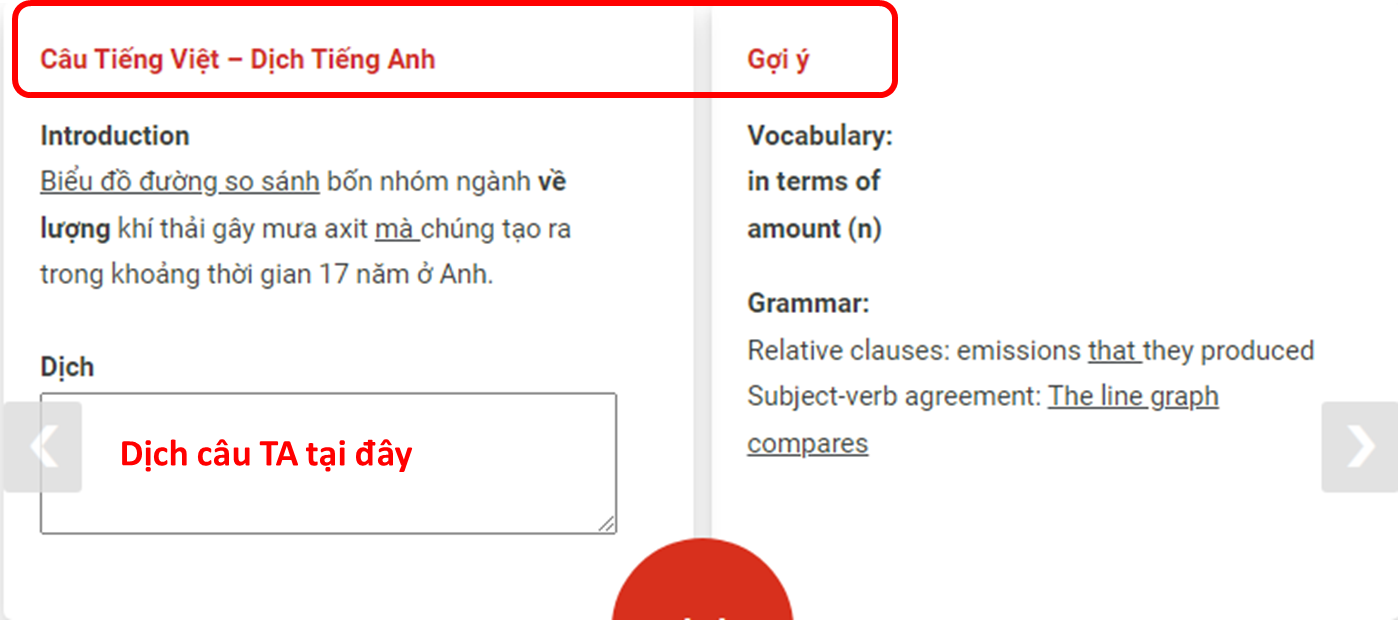
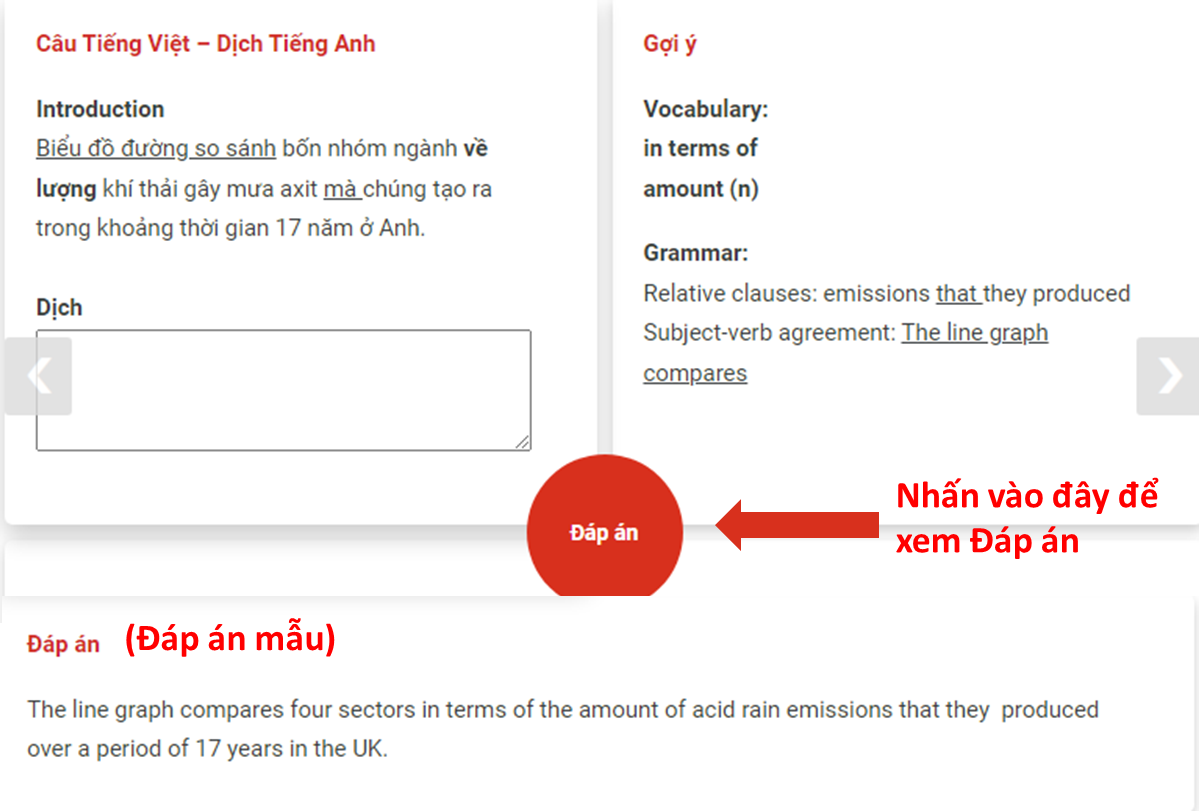
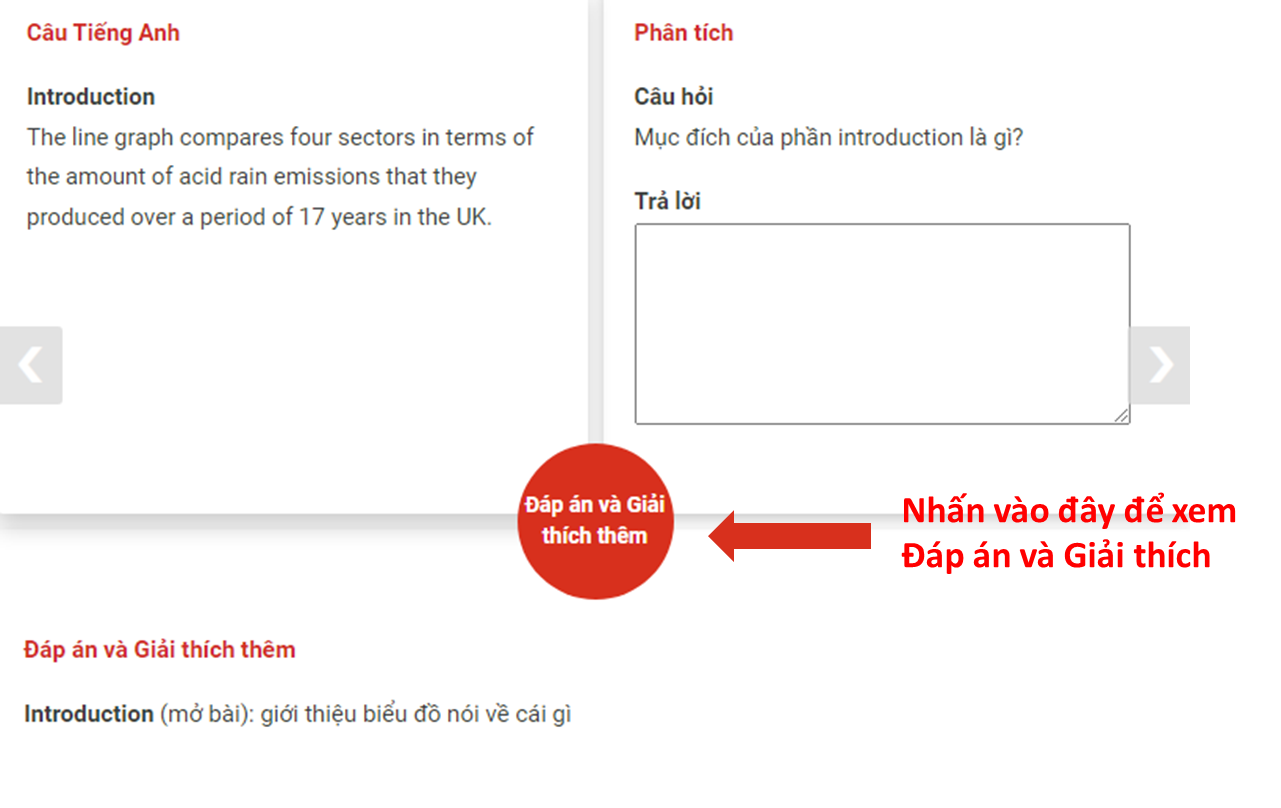
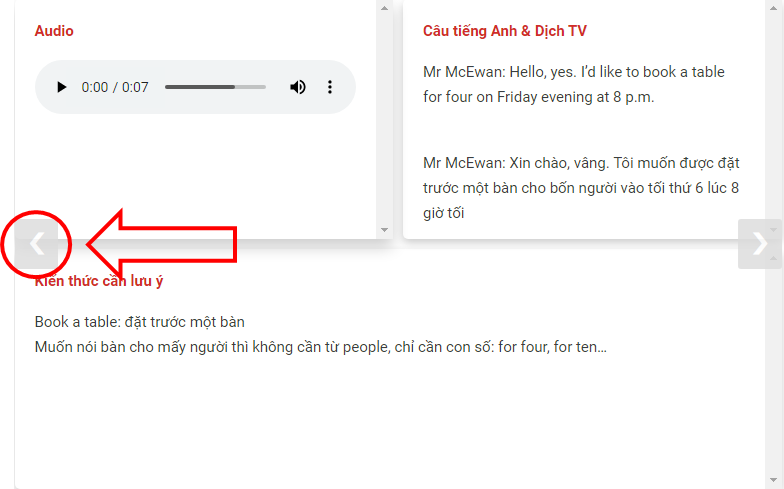
(Nhấn vào đây để xem hướng dẫn)
(Nguồn: Basic IELTS Reading – trang 72)
Các bạn hãy nhìn lại toàn cảnh bài đọc nhé!
Section I
The average person swallows about half a ton of food a year – not counting drink – and though the body is remarkably efficient at extracting just what it needs from this huge mixture, it can only cope up to a point.
If you go on eating too much of some things and not enough others, you’ll eventually get out of condition and your health will suffer.
So think before you start eating. It may look good. It may taste good. Fine! But how much good is it really doing you?
Section II
What you eat and the way it affects your body depend very much on the kind of person you are. For one thing, the genes you inherit from your parents can determine how your body chemistry (metabolism) copes with particular foods. The tendency to put on weight rather easily, for example, often runs in families – which means that they have to take particular care.
And your parents may shape your future in another way. Your upbringing shapes some basic attitudes to food – like whether you have a sweet tooth, nibble between meals, take big mouthfuls or eat chips with everything.
And there is your lifestyle. How much you spend on food (time as well as money), how much exercise you get – these can alter the balance between food and fitness.
And finally, both your age and your sex may affect this balance. For example, you are more likely to put on weight as you get older, especially if you are a woman.
So, everybody’s different and the important thing is to know yourself.
Section III
If you are eating a fairly varied diet, it is just about impossible to go short of proteins, vitamins or minerals. It is likely, too, that you have more than enough fats and carbohydrates.
Take proteins for instance. On average, we eat about twice as much protein as we need.
Vitamin pills are not likely to help either. A varied diet with plenty of fresh fruit, vegetables and cereals along with some fish, eggs, meat and dairy products will contain more than enough vitamins. Unless you have some special medical reason, it is a waste of time and money to take vitamin pills.
As for minerals, there is no shortage in the average diet and it is useless to have more than you need.
Section IV
Just about everything you eat contains energy – measured as calories; the higher the number of calories, the more energy. But don’t make the mistake of thinking that eating extra energy rich foods will make you more energetic. The amount of energy in your daily diet should exactly balance the energy your body-machine burns up. If you eat more than you use, the extra energy is stored as body fat. And this is the big problem.
Section V
Over hundreds of thousands of years, man’s food came mainly from plants.
He ate cereals (like wheat), pulses (like beans and peas), vegetables, fruit and nuts. So our ancestors were used to eating the sort of food that contains a lot of fibre.
In comparison with our ancestors, the sort of food we eat today contains very little fibre. Our main foods are meat, eggs and dairy products, which contain no fibre at all.
Lack of fibre seems to be connected with various disorders of the digestive system. Some experts also believe that lack of fibre may even lead to heart disease.
If you are worried about your weight, eating more fibre may actually help you to slim! Food with plenty of fibre like potatoes or bread can be satisfying without giving you too many calories.
B. Bài tập
Các bạn hãy ôn tập kiến thức vừa đọc với các bài tập dưới đây nhé!
Bài 1: Find in Section II and Section V words which are closest in meaning to the following definitions.
(Tìm trong Phần 2 và Phần 5 những từ gần nghĩa nhất với những định nghĩa dưới đây.)
Section II:
1. to receive from one’s parents or grandparents:
2. training and caring for a child:
3. to eat (something) with small bites:
4. to (cause to) become different:
Section V:
5. a person from whom someone is descended:
6. lack of order; confusion:
7. connected with digesting food:
8. attractively thin; not fat:
Bài 2: The reading passage Our Diet Matters has 5 sections numbered I-V. Choose the most suitable heading for each section from the list of headings below. Write the appropriate letters (A-G). There are more headings than you can use.
(Bài đọc Chế độ ăn Của chúng ta Quan trọng có 5 phần từ 1-5. Hãy chọn tiêu đề phù hợp nhất cho mỗi phần từ danh sách các tiêu đề dưới đây. Viết các chữ cái thích hợp (A-G). Có nhiều tiêu đề hơn số lượng bạn có thể sử dụng.)Extra energy makes us fat.
A. Eating more fibre is important.
B. It is better to change the bad eating habits.
C. A bad diet is harmful.
D. People differ from each other.
E. Enough proteins, vitamins and minerals are provided in a good diet.
F. We do not need vitamin pills.
Bài 3: Refer to the reading passage Our Diet Matters and choose the correct answer.
(Liên hệ tới bài đọc Chế độ ăn Của chúng ta Quan trọng và chọn đáp án chính xác)
14. According to the passage, which THREE of the following factors could affect your body system?
15. Generally speaking, which one of the following four puts on weight comparatively easier?
16. Which of the following statements is NOT true?
17. Compared with that of our ancestors, our diet tends to lack
18. If your daily diet is a rather varied one, it is almost impossible that
19. Which word can best describe the main purpose of the passage?
Điểm số của bạn là % – đúng / câu
C. Bảng tổng hợp từ vựng
Hãy cùng ôn tập lại từ vựng có trong bài với bảng sau đây nhé!
| Từ vựng | Nghĩa |
|---|---|
| swallow (v) The average person swallows about half a ton of food a year – not counting drink … | nuốt (ở đây nghĩa là ăn/tiêu thụ) Một người trung bình tiêu thụ khoảng nửa tấn thức ăn mỗi năm – chưa bao gồm đồ uống – và mặc dù cơ thể vô cùng hiệu quả trong việc lấy rachỉ những gì nó cần từ hỗn hợp này, nó chỉ có thể xử lý tới một mức nhất định. |
| extract (v) … and though the body is remarkably efficient at extracting just what it needs from this huge mixture, it can only cope up to a point. | lấy ra, trích ra Một người trung bình tiêu thụ khoảng nửa tấn thức ăn mỗi năm – chưa bao gồm đồ uống – và mặc dù cơ thể vô cùng hiệu quả trong việc lấy ra chỉ những gì nó cần từ hỗn hợp này, nó chỉ có thể xử lý tới một mức nhất định. |
| cope (v) …and though the body is remarkably efficient at extracting just what it needs from this huge mixture, it can only cope up to a point. | xử lý Một người trung bình tiêu thụ khoảng nửa tấn thức ăn mỗi năm – chưa bao gồm đồ uống – và mặc dù cơ thể vô cùng hiệu quả trong việc lấy rachỉ những gì nó cần từ hỗn hợp này, nó chỉ có thể xử lý tới một mức nhất định. |
| eventually (adv) If you go on eating too much of some things and not enough others, you’ll eventually get out of condition and your health will suffer. | rốt cuộc/sau cùng Nếu bạn cứ tiếp tục ăn quá nhiều những thứ gì đó và không đủ những thứ khác, bạn rốt cuộc sẽ trở nên không ổn và sức khỏe của bạn sẽ bị ảnh hưởng. |
| out of condition If you go on eating too much of some things and not enough others, you’ll eventually get out of condition and your health will suffer. | không ổn, không khỏe Nếu bạn cứ tiếp tục ăn quá nhiều những thứ gì đó và không đủ những thứ khác, bạn rốt cuộc sẽ trở nên không ổn và sức khỏe của bạn sẽ bị ảnh hưởng. |
| suffer (v) If you go on eating too much of some things and not enough others, you’ll eventually get out of condition and your health will suffer. | chịu ảnh hưởng xấu Nếu bạn cứ tiếp tục ăn quá nhiều những thứ gì đó và không đủ những thứ khác, bạn rốt cuộc sẽ trở nên không ổn và sức khỏe của bạn sẽ bị ảnh hưởng. |
| inherit (v) For one thing, the genes you inherit from your parents can determine how your body chemistry (metabolism) copes with particular foods. | thừa hưởng Một mặt, các gen bạn thừa hưởng từ cha mẹ có thể quyết định cách sự trao đổi chất trong cơ thể bạn xử lý những loại thức ăn cụ thể. |
| metabolism (n) For one thing, the genes you inherit from your parents can determine how your body chemistry (metabolism) copes with particular foods. | sự trao đổi chất Một mặt, các gen bạn thừa hưởng từ cha mẹ có thể quyết định cách sự trao đổi chất trong cơ thể bạn xử lý những loại thức ăn cụ thể. |
| tendency (n) The tendency to put on weight rather easily, for example, often runs in families – which means that they have to take particular care. | khuynh hướng Khuynh hướng lên cândễ dàng, ví dụ, thường di truyền từ đời này qua đời khác – điều mà có nghĩa là họ phải có sự chú tâm đặc biệt. |
| upbringing (n) Your upbringing shapes some basic attitudes to food – like whether you have a sweet tooth, nibble between meals, take big mouthfuls or eat chips with everything. | sự nuôi dạy, giáo dục Quá trình bạn được nuôi dạy từ nhỏ đến lớn định hình một số thái độ cơ bản của bạn với đồ ăn – như là bạn có hảo ngọt, có ăn vặt giữa các bữa, có ăn những miếng đầy mồm hay ăn khoai tây chiên với mọi thứ hay không. |
| have a sweet tooth Your upbringing shapes some basic attitudes to food – like whether you have a sweet tooth, nibble between meals, take big mouthfuls or eat chips with everything. | hảo ngọt Quá trình bạn được nuôi dạy từ nhỏ đến lớn định hình một số thái độ cơ bản của bạn với đồ ăn – như là bạn có hảo ngọt, có ăn vặt giữa các bữa, có ăn những miếng đầy mồm hay ăn khoai tây chiên với mọi thứ hay không. |
| nibble (v) Your upbringing shapes some basic attitudes to food – like whether you have a sweet tooth, nibble between meals, take big mouthfuls or eat chips with everything. | nhấm nháp (ở đây có nghĩa là ăn vặt) Quá trình bạn được nuôi dạy từ nhỏ đến lớn định hình một số thái độ cơ bản của bạn với đồ ăn – như là bạn có hảo ngọt, có ăn vặt giữa các bữa, có ăn những miếng đầy mồm hay ăn khoai tây chiên với mọi thứ hay không. |
| mouthful (n) Your upbringing shapes some basic attitudes to food – like whether you have a sweet tooth, nibble between meals, take big mouthfuls or eat chips with everything. | miếng đầy mồm Quá trình bạn được nuôi dạy từ nhỏ đến lớn định hình một số thái độ cơ bản của bạn với đồ ăn – như là bạn có hảo ngọt, có ăn vặt giữa các bữa, có ăn những miếng đầy mồm hay ăn khoai tây chiên với mọi thứ hay không. |
| go short of If you are eating a fairly varied diet, it is just about impossible to go short of proteins, vitamins or minerals. | thiếu Nếu bạn đang ăn một chế độ tương đối đa dạng, bạn gần như không thể thiếu đạm, vitamin hay khoáng chất. |
| pill (n) Vitamin pills are not likely to help either. | viên (thuốc) Các viên uống vitamin cũng không có vẻ là sẽ giúp ích. |
| medical (adj) Unless you have some special medical reason, it is a waste of time and money to take vitamin pills. | thuộc y học Unless you have some special medical reason, it is a waste of time and money to take vitamin pills. |
| mineral (n) As for minerals, there is no shortage in the average diet and it is useless to have more than you need. | khoáng chất Ví dụ như với khoáng chất, không hề thiếu nó trong một chế độ ăn uống trung bình và nạp vào nhiều hơn mức bạn cần là vô nghĩa. |
| fibre (n) So our ancestors were used to eating the sort of food that contains a lot of fibre. | chất xơ Bởi vậytổ tiên của chúng ta đã quen với việc ăn loại thức ăn chứa nhiều chất xơ. |
| disorder (n) Lack of fibre seems to be connected with various disorders of the digestive system. | sự rối loạn Sự thiếu hụt chất xơ có vẻ có liên quan tới nhiều loại rối loạn trong hệ tiêu hóa. |
| digestive system Lack of fibre seems to be connected with various disorders of the digestive system. | hệ tiêu hóa Sự thiếu hụt chất xơ có vẻ có liên quan tới nhiều loại rối loạn trong hệ tiêu hóa. |
| slim (v) If you are worried about your weight, eating more fibre may actually help you to slim! | (cố gắng) trở nên thon thả (VD: bằng cách nhịn ăn, …) Nếu bạn lo lắng về cân nặng của bạn, ăn nhiều chất xơ hơn có thể thực sự giúp bạn trở nên thon thả. |
| shape (v) And your parents may shape your future in another way. | định hình Và cha mẹ của bạn có thể định hình tương lai của bạn theo một cách khác nữa. |
| alter (v) How much you spend on food (time as well as money), how much exercise you get – these can alter the balance between food and fitness. | điều chỉnh Bạn chi bao nhiêu cho thức ăn (thời gian lẫn tiền bạc), bạn tập thể dục nhiều bao nhiêu – những thứ này có thể điều chỉnh sự cân bằng giữa đồ ăn và thể trạng cân đối. |
| varied (adj) If you are eating a fairly varied diet, it is just about impossible to go short of proteins, vitamins or minerals. | đa dạng Nếu bạn đang ăn một chế độ tương đối đa dạng, bạn gần như không thể thiếu đạm, vitamin hay khoáng chất. |
| store (v) If you eat more than you use, the extra energy is stored as body fat. | lưu trữ Nếu bạn ăn nhiều hơn mức bạn sử dụng, số năng lượng thừa sẽ được lưu trữ thành mỡ. |