Basic IELTS Reading – UNIT 35: Which Is Better, Tap Water or Bottled Water?
Tiếp tục với series bài đọc cải thiện từ vựng cho các bạn, hãy cùng IZONE bổ sung thêm kiến thức với bài đọc “Which is better, tap water or bottled water” nhé!
I. Bài đọc Which is Better, Tap Water or Bottled Water
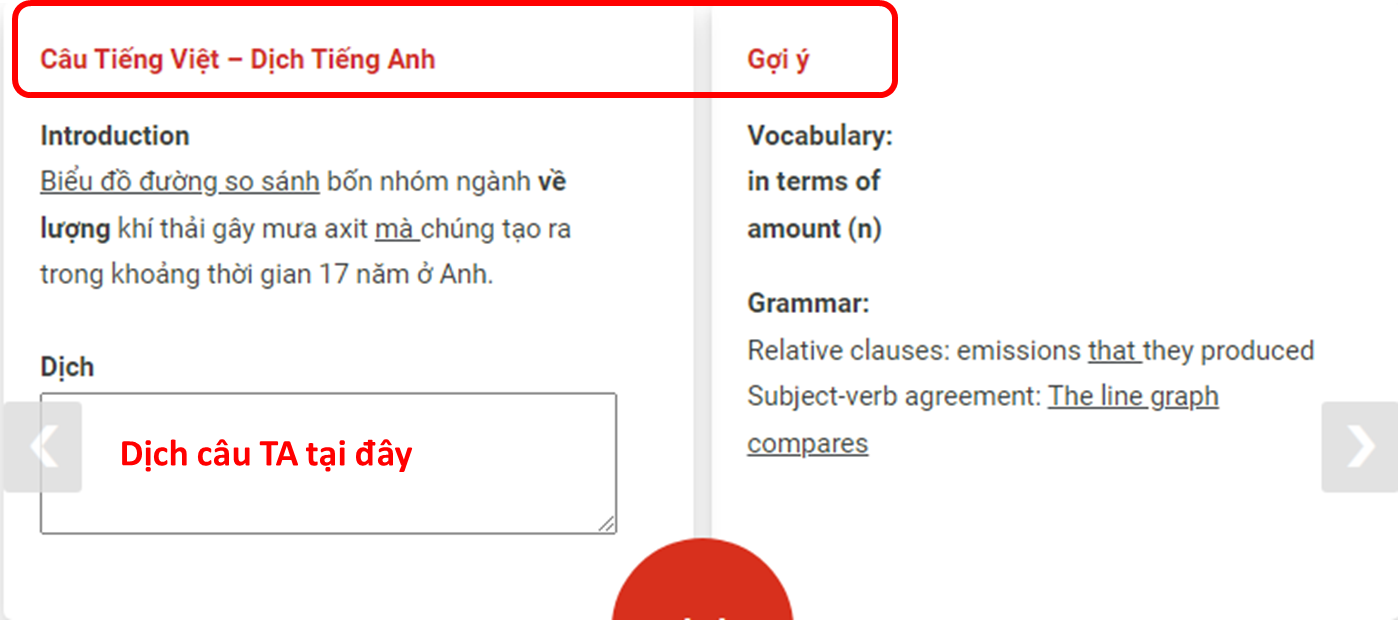
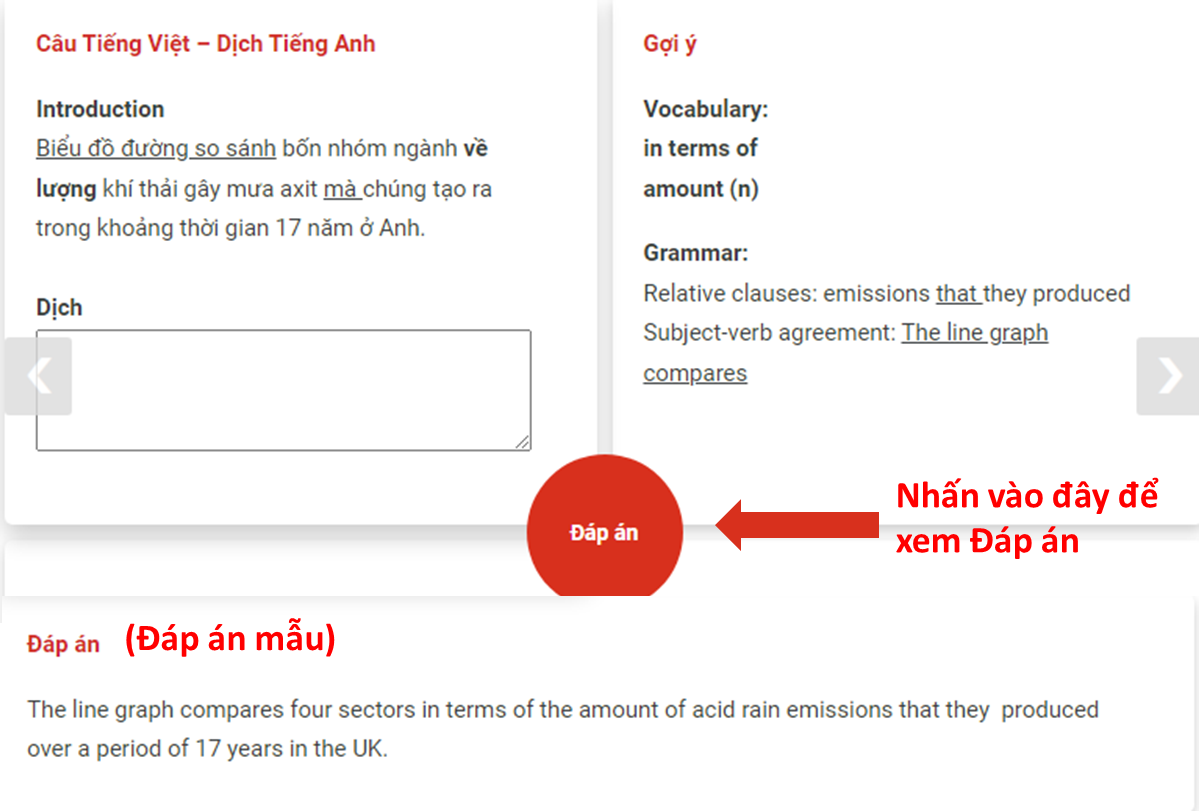
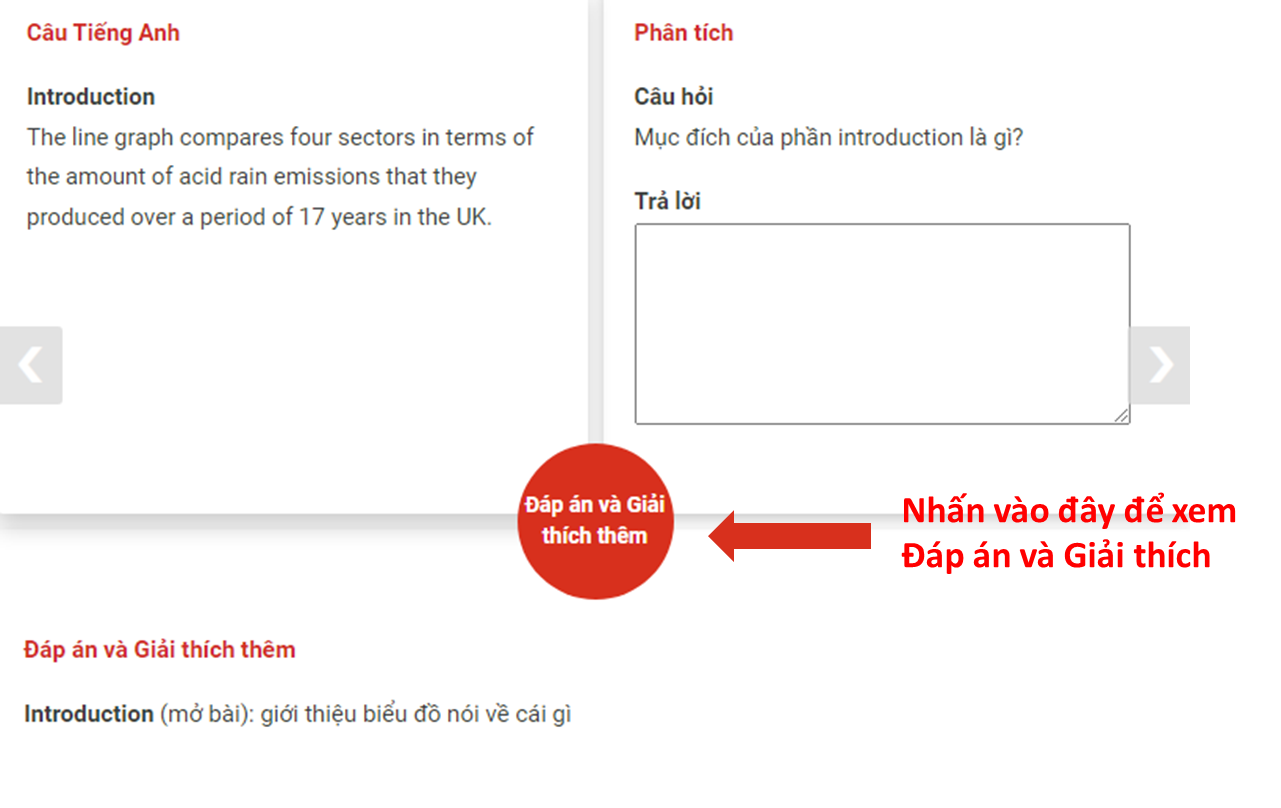
(Nhấn vào đây để xem hướng dẫn)
Tap water is not always fit to drink.
Nước máy không phải lúc nào cũng thích hợp để uống.
tap water (n): nước máy
“To drink” là động từ nguyên thể bổ sung thông tin phụ cho tính từ fit (thích hợp để làm gì)
Most problems with water contamination are not with public water supplies, but with private wells and small water companies.
Hầu hết các vấn đề về ô nhiễm nước không phải do các nguồn cung cấp nước công cộng, mà là ở các giếng tư nhân và các công ty cấp nước nhỏ.
water contamination (n): ô nhiễm nước
water supply (n): nguồn cấp nước
Đây là 2 collocation thường bắt gặp về chủ đề “water”
Bottled water is only safer than tap water that has not been properly treated to remove contaminants.
Nước đóng chai chỉ an toàn hơn nước máy chưa được xử lý đúng cách để loại bỏ các chất gây ô nhiễm.
bottled water (n): nước đóng chai
contaminant (n): chất gây ô nhiễm
“To remove” bổ sung thông tin về mục đích của hành độngtreat, cụ thể là mục đích của việc xử lý đúng cách nước máy
If a farm well contains bacteria, drinking bottled water is an alternative to installing expensive filters.
Nếu giếng của trang trại có chứa vi khuẩn, uống nước đóng chai là một giải pháp thay thế cho việc lắp đặt các bộ lọc đắt tiền.
alternative (n): lựa chọn thay thế
Hai động từ V-ing “drinking” và “installing” được xem như một danh từ trong câu, đóng vai trò lần lượt là chủ ngữ và danh từ trong cụm giới từ “to installing…”
Some wells are contaminated with toxic organic chemicals from leaking underground gasoline tanks or landfills.
Một số giếng bị nhiễm hóa chất hữu cơ độc hại do rò rỉ các bể chứa xăng dầu hoặc bãi chôn lấp dưới lòng đất.
chemicals (n): hóa chất
Other wells are contaminated with pesticides.
Các giếng khác bị nhiễm thuốc trừ sâu.
Removal of these chemicals may be too expensive or even impossible.
Việc loại bỏ các hóa chất này có thể quá đắt hoặc thậm chí là không thể.
impossible (adj): không thể
In that case, bottled water may be the only safe supply of water available.
Trong trường hợp đó, nước đóng chai có thể là nguồn cung cấp nước an toàn duy nhất hiện có.
The US Environment Protection Agency (EPA) estimated in 1986 that some 40 million Americans were using drinking water containing a hazardous level of lead.
Cơ quan Bảo vệ Môi trường Hoa Kỳ (EPA) ước tính vào năm 1986 rằng khoảng 40 triệu người Mỹ đang sử dụng nước uống có chứa chì ở mức nguy hại.
hazardous (adj): nguy hại
“containing a hazardous level of lead” đã được rút gọn từ một câu có mệnh đề tính ngữ “which contains a hazardous level of lead”, bằng cách sử dụng phân từ hiện tại “containing” để bổ sung thông tin cho “drinking water”.
Mệnh đề danh ngữ “that some 40 million Americans were using drinking water containing a hazardous level of lead” được xem như một danh từ, đóng vai trò là tân ngữ sau động từ “estimate” (nêu điều được ước tính)
If the level of lead in the drinking water is more than 5 parts per million, steps should be taken to reduce the level.
Nếu mức độ chì trong nước uống lớn hơn 5 phần triệu, cần thực hiện các bước để giảm mức độ này.
Trong câu có sử dụng collocation “take steps to V” mang nghĩa là thực hiện các bước (biện pháp) để làm gì đó
If the lead level cannot be reduced sufficiently, bottled water should be considered.
Nếu không thể giảm đủ mức độ chì, thì ta nên xem xét nước đóng chai.
The only way to determine if bottled water is safer to drink than water from the tap is to compare the laboratory test results.
Cách duy nhất để xác định xem nước đóng chai có an toàn hơn để uống hơn nước từ vòi hay không là so sánh các kết quả kiểm tra trong phòng thí nghiệm.
laboratory (n): phòng thí nghiệm
Mệnh đề danh ngữ “if bottled water is safer to drink than water from the tap” được xem như một danh từ, đóng vai trò là tân ngữ sau động từ “determine” (nêu điều được xác định)
“To compare” được xem như một danh từ, đóng vai trò là nội dung miêu tả sau động từ to be “is”.
The results of tests for substances regulated by EPA should be available from the water company that supplies the tap water.
Kết quả xét nghiệm các chất do EPA quy định phải có sẵn ở công ty cấp nước cung cấp nước máy.
substance (n): chất
“regulated by EPA” đã được rút gọn từ một câu có mệnh đề tính ngữ “which are regulated by EPA”, bằng cách sử dụng phân từ quá khứ “regulated” để bổ sung thông tin cho “substances”. Bản đầy đủ của nó là “substances which are regulated by EPA”.
If the source of tap water is a private well, the owner should have a water sample analysed by an approved laboratory.
Nếu nguồn nước máy là giếng tư nhân, chủ sở hữu nên cho một phòng thí nghiệm đã được phê duyệt phân tích một mẫu nước.
analyse (v): phân tích
Câu này đã được rút gọn từ một câu có mệnh đề tính ngữ “which is analysed by an approved laboratory”, bằng cách sử dụng phân từ quá khứ “analysed” để bổ sung thông tin cho “a water sample”. Bản đầy đủ của nó là “a water sample which is analysed by an approved laboratory”.
The Fair Packaging and Labelling Act prohibits bottles from making claims that bottled water is healthier than tap water.
Đạo luật Ghi nhãn và Đóng gói Công bằng cấm các công ty sản xuất nước đóng chai tuyên bố rằng nước đóng chai tốt cho sức khỏe hơn nước máy.
prohibit (v): cấm
“Make claim” là một collocation mang nghĩa “tuyên bố”
Mệnh đề danh ngữ “that bottled water is healthier than tap water” được xem như một danh từ, đóng vai trò là tân ngữ sau động từ “make claim”
The Food and Drug Administration (FDA) requirements prohibit bottled water labels from listing the minerals the water contains because they believe that the amounts are so small that there is little if any added benefit from drinking bottled water.
Các yêu cầu của Cơ quan Quản lý Thực phẩm và Dược phẩm (FDA) cấm các nhãn hàng nước đóng chai liệt kê các khoáng chất mà nước có chứa vì họ tin rằng số lượng quá nhỏ nên sẽ có rất ít lợi ích từ việc uống nước đóng chai.
minerals (n): khoáng chất
Mệnh đề danh ngữ “that the amounts are so small that there is little if any added benefit from drinking bottled water.” được xem như một danh từ, đóng vai trò là tân ngữ sau động từ “believe”. Tin cái gì? Tin rằng số lượng quá nhỏ nên sẽ có rất ít lợi ích từ việc uống nước đóng chai.
Some buyers may feel that the minerals in bottled water make it healthier.
Một số người mua có thể cảm thấy rằng các khoáng chất trong nước đóng chai làm cho nó tốt cho sức khỏe hơn.
Mệnh đề danh ngữ “that the minerals in bottled water make it healthier” được xem như một danh từ, đóng vai trò là tân ngữ sau động từ “feel”
According to the American Medical Association, there may be a slight chance that bottled water is more healthful, but any benefits would be very small when compared to exercising, eating properly or not smoking.
Theo Hiệp hội Y khoa Hoa Kỳ, có thể có một chút khả năng rằng nước đóng chai có lợi cho sức khỏe hơn, nhưng bất kỳ lợi ích nào cũng sẽ rất nhỏ nếu so sánh với việc tập thể dục, ăn uống hợp lý hoặc không hút thuốc.
properly (adv): một cáchhợp lý
Các Danh động từ “exercising”, “eating”, “smoking” giữ vai trò như các danh từ trong câu, đứng sai giới từ To tạo thành các cụm giới từ to exercising, eating properly or not smoking.
Unless your tap water is contaminated, bottled water may offer few, if any, health or safety benefits.
Trừ khi nước máy của bạn bị ô nhiễm, nếu có, nước đóng chai có thể mang lại rất ít, thậm chí không, lợi ích về sức khỏe hoặc an toàn.
contaminate (v): gây ô nhiễm
It may simply be draining money from your wallet.
Nó có thể chỉ đơn giản là rút tiền từ ví của bạn
Some customers have switched from high calories drinks like soda or beer to bottled water.
Một số khách hàng đã chuyển từ đồ uống có hàm lượng calo cao như soda hoặc bia sang nước đóng chai.
switch (v): chuyển
Others drink bottled water because it is a socially acceptable alternative to alcohol.
Những người khác uống nước đóng chai vì nó là một giải pháp thay thế rượu được xã hộichấp nhận.
socially acceptable (adj): có thể chấp nhận được
In fact, some brands of bottled water may not be as healthy as your own tap water.
Trên thực tế, một số nhãn hiệu nước đóng chai có thể không tốt cho sức khỏe bằng nước máy của chính bạn.
A study by Consumer Reports magazines tested more than forty bottled water products as well as tap water from six different cities.
Một nghiên cứu của tạp chí Consumer Reports đã thử nghiệm hơn bốn mươi sản phẩm nước đóng chai cũng như nước máy từ sáu thành phố khác nhau.
They found the levels of some toxic chemicals in a few brands of bottled water exceeded the standards.
Họ phát hiện hàm lượng một số hóa chất độc hại trong một số nhãn hiệu nước đóng chai vượt quá tiêu chuẩn.
exceed (v): vượt quá
Some brands of bottled water do taste better than water from some taps.
Một số nhãn hiệu nước đóng chai thực sự có vị ngon hơn nước từ một số vòi.
Câu sử dụng linking verb – taste (miêu tả về mặt vị giác) kết hợp với tính từ “better” để tạo thành câu miêu tả.
Most public and private water suppliers use chlorine as a disinfectant.
Hầu hết các nhà cung cấp nước công cộng và tư nhân sử dụng clo làm chất khử trùng.
supplier (n): nhà cung cấp
Most bottling companies purify the water with ozone. Ozone, like chlorine, kills bacteria.
Hầu hết các công ty đóng chai lọc nước bằng ozone. Ozone, giống như clo, giết chết vi khuẩn.
purify (v): lọc, làm sạch
It is more expensive to use, but the water has a better flavour.
Nó đắt hơn để sử dụng, nhưng nước có hương vị tốt hơn.
flavour (n): hương vị
Some people drink water from a bottle because they prefer the taste.
Một số người uống nước từ chai vì họ thích mùi vị hơn.
The taste of water usually depends upon the minerals that have been dissolved from rocks.
Hương vị của nước thường phụ thuộc vào các khoáng chất đã được hòa tan từ đá.
The only water that is likely to be free of minerals is distilled water.
Loại nước duy nhất không có khoáng chất là nước cất.
Mệnh đề tính ngữ “that is likely to be free of minerals” bổ sung thông tin cho chủ ngữ “The only water” trong câu.
Distilled water is generally not purchased for drinking, but for use in batteries and steam irons.
Nước cất thường không được mua để uống mà để sử dụng cho pin và bàn là hơi nước.
purchase (v): mua
Distilled water is also used in chemical laboratories where minerals might interfere with chemical reactions.
Nước cất cũng được sử dụng trong các phòng thí nghiệm hóa học, nơi các khoáng chất có thể gây trở ngại cho các phản ứng hóa học.
chemical reaction (n): phản ứng hóa học
Although bottled water does not taste better than water from most deep wells, some deep wells are drilled into rock with high sulfur content.
Mặc dù nước đóng chai không ngon hơn nước từ hầu hết các giếng sâu, nhưng một số giếng sâu được khoan thành đá với hàm lượng lưu huỳnh cao.
The taste of sulfur may make water from these wells unacceptable for drinking.
Mùi vị của lưu huỳnh có thể làm cho nước từ những giếng này không thể uống được.
unacceptable (adj): không thể chấp nhận được
There are several reasons why more and more people are buying bottled water.
Có một số lý do tại sao ngày càng có nhiều người mua nước đóng chai.
Mệnh đề tính ngữ “why more and more people are buying bottled water” bổ sung thông tin cho “reasons” trong câu.
For some people it is a safety issue, but for most it is a matter of taste.
Đối với một số người, đó là vấn đề an toàn, nhưng đối với hầu hết mọi người, đó là vấn đề về sở thích.
Các bạn hãy nhìn lại toàn cảnh bài đọc nhé!
Water from the tap- is it safe?
Tap water is not always fit to drink. Most problems with water contamination are not with public water supplies, but with private wells and small water companies. Bottled water is only safer than tap water that has not been properly treated to remove contaminants.
If a farm well contains bacteria, drinking bottled water is an alternative to installing expensive filters. Some wells are contaminated with toxic organic chemicals from leaking underground gasoline tanks or landfills. Other wells are contaminated with pesticides. Removal of these chemicals may be too expensive or even impossible. In that case, bottled water may be the only safe supply of water available.
The US Environment Protection Agency (EPA) estimated in 1986 that some 40 mil- ~ lion Americans were using drinking water containing a hazardous level of lead. If the level of lead in the drinking water is more than 5 parts per million, steps should be taken to reduce the level. If the lead level cannot be reduced sufficiently, bottled water should be considered.
The only way to determine if bottled water is safer to drink than water from the tap is to compare the laboratory test results. The results of tests for substances regulated by EPA should be available from the water company that supplies the tap water. If the source of tap water is a private well, the owner should have a water sample analysed by an approved laboratory.
Is it healthier?
The Fair Packaging and Labelling Act prohibits bottles from . making claims that bottled water is healthier than tap water. The Food and Drug Administration (FDA) requirements prohibit bottled water labels from listing the minerals the water contains because they believe that the amounts are so small that there is little if any added benefit from drinking bottled water.
Some buyers may feel that the minerals in bottled water make it healthier. According to the American Medical Association, there may be a slight chance that bottled water is more healthful, but any benefits would be very small when compared to exercising, eating properly or not smoking. Some customers have switched from high calories drinks like soda or beer to bottled water. Others drink bottled water because it is a socially acceptable alternative to alcohol.
Unless your tap water is contaminated, bottled water may offer few, if any, health or safety benefits. It may simply be draining money from your wallet. In fact, some brands of bottled water may not be as healthy as your own tap water. A study by Consumer Reports magazines tested more than forty bottled water products as well as tap water from six different cities. They found the levels of some toxic chemicals in a few brands of bottled water exceeded the standards.
Does it taste better?
Some brands of bottled water do taste better than water from some taps. Most public and private water suppliers use chlorine as a disinfectant. Most bottling companies purify the water with ozone. Ozone, like chlorine, kills bacteria. It is more expensive to use, but the water has a better flavour. Some people drink water from a bottle because they prefer the taste.
The taste of water usually depends upon the minerals that have been dissolved from rocks. The only water that is likely to be free of minerals is distilled water. Distilled water is generally not purchased for drinking, but for use in batteries and steam irons. Distilled water is also used in chemical laboratories where minerals might interfere with chemical reactions.
Although bottled water does not taste better than water from most deep wells, some deep wells are drilled into rock with high sulfur content. The taste of sulfur may make water from these wells unacceptable for drinking.
There are several reasons why more and more people are buying bottled water. For some people it is a safety issue, but for most it is a matter of taste.
II. Bài tập
Bài 1:
Decide which of the following choices is closest in meaning to the underlined word in the sentence and write down the corresponding letter.
(Quyết định lựa chọn nào sau đây gần nghĩa nhất với từ được gạch chân trong câu và viết ra chữ cái tương ứng.)
1. If a farm well contains bacteria; drinking bottled water is an alternative to installing expensive filters.
2. Americans were using drinking water containing a hazardous level of lead.
3. Most public and private water suppliers use chlorine as a disinfectant
4. The taste of water usually depends upon the minerals that have been dissolved from rocks.
Bài 2:
Refer to the passage “Which Is Better, Tap Water or Bottled Water? and answer the following questions with NO MORE THAN THREE WORDS taken from the passage.
5. What kind of wells is comparatively easier to be contaminated?
6. What is suggested when it is too expensive to install filters for a farm well?
7. What is given as an example of chemicals which are sometimes impossible to remove?
8. According to an estimate given by EPA in 1986; what should be reduced?
9. What is very important in determining whether bottled water is safer than tap water?
10. Besides making improper claims; what else are the bottled water companies forbidden to do?
11. What may affect chemical reactions if bottled water is used in laboratories?
12. What may cause a problem when people drink water from some deep wells?
Bài 3:
Refer to the passage “Which Is Better, Tap Water or Bottled Water? and look at the following statements. Write:
YES if the statement agrees with the writer
NO if the statement dóe not agree with the writer
NOT GIVEN if there is no information about this in the passage
(Tham khảo đoạn văn “Which Is Better, Tap Water or Bottled Water? và xem các câu sau. Viết:
YES nếu tuyên bố đồng ý với người viết
NO nếu tuyên bố không đồng ý với người viết
NOT GIVEN nếu không có thông tin về điều này trong đoạn văn)
Điểm số của bạn là % – đúng / câu
III. Bảng tổng hợp từ vựng
| Từ vựng | Nghĩa |
|---|---|
| tap water (n) Tap water is not always fit to drink. | nước máy Nước máy không phải lúc nào cũng thích hợp để uống. |
| water contamination (n) Most problems with water contamination are not with public water supplies, but with private wells and small water companies. | ô nhiễm nước Hầu hết các vấn đề về ô nhiễm nước không phải do các nguồn cung cấp nước công cộng, mà là ở các giếng tư nhân và các công ty cấp nước nhỏ. |
| bottled water (n) Bottled water is only safer than tap water that has not been properly treated to remove contaminants. | nước đóng chai Nước đóng chai chỉ an toàn hơn nước máy chưa được xử lý đúng cách để loại bỏ cácchất gây ô nhiễm. |
| alternative (n) If a farm well contains bacteria, drinking bottled water is an alternative to installing expensive filters. | giải pháp thay thế Nếu giếng của trang trại có chứa vi khuẩn, uống nước đóng chai là một giải pháp thay thế cho việc lắp đặt các bộ lọc đắt tiền. |
| chemicals (n) Some wells are contaminated with toxic organic chemicals from leaking underground gasoline tanks or landfills. | hóa chất Một số giếng bị nhiễm hóa chất hữu cơ độc hại do rò rỉ các bể chứa xăng dầu hoặc bãi chôn lấp dưới lòng đất. |
| water supplies (n) Most problems with water contamination are not with public water supplies, but with private wells and small water companies. | nguồn cung cấp nước Hầu hết các vấn đề về ô nhiễm nước không phải do các nguồn cung cấp nước công cộng, mà là ở các giếng tư nhân và các công ty cấp nước nhỏ. |
| impossible (adj) Removal of these chemicals may be too expensive or even impossible. | impossible Việc loại bỏ các hóa chất này có thể quá đắt hoặc thậm chí là không thể. |
| switch (v) Some customers have switched from high calories drinks like soda or beer to bottled water. | chuyển Một số khách hàng đã chuyển từ đồ uống có hàm lượng calo cao như soda hoặc bia sang nước đóng chai. |
| hazardous (adj) The US Environment Protection Agency (EPA) estimated in 1986 that some 40 million Americans were using drinking water containing a hazardous level of lead. | nguy hại Cơ quan Bảo vệ Môi trường Hoa Kỳ (EPA) ước tính vào năm 1986 rằng khoảng 40 triệu người Mỹ đang sử dụng nước uống có chứa chì ở mức nguy hại. |
| contaminant (n) Bottled water is only safer than tap water that has not been properly treated to remove contaminants. | chất gây ô nhiễm Nước đóng chai chỉ an toàn hơn nước máy chưa được xử lý đúng cách để loại bỏ các chất gây ô nhiễm. |
| laboratory (n) The only way to determine if bottled water is safer to drink than water from the tap is to compare the laboratory test results. | phòng thí nghiệm Cách duy nhất để xác định xem nước đóng chai có an toàn hơn để uống hơn nước từ vòi hay không là so sánh các kết quả kiểm tra trong phòng thí nghiệm. |
| substance (n) The results of tests for substances regulated by EPA should be available from the water company that supplies the tap water. | các chất Kết quả xét nghiệm các chất do EPA quy định phải có sẵn từ công ty cấp nước cung cấp nước máy. |
| analyse (v) If the source of tap water is a private well, the owner should have a water sample analysed by an approved laboratory. | phân tích Nếu nguồn nước máy là giếng tư nhân, chủ sở hữu nên lấy mẫu nước được phân tích bởi phòng thí nghiệm đã được phê duyệt. |
| prohibit (v) The Fair Packaging and Labelling Act prohibits bottles from making claims that bottled water is healthier than tap water. | cấm Đạo luật Ghi nhãn và Đóng gói Công bằng cấm các công ty sản xuất nước đóng chai tuyên bố rằng nước đóng chai tốt cho sức khỏe hơn nước máy. |
| minerals (n) The Food and Drug Administration (FDA) requirements prohibit bottled water labels from listing the minerals the water contains because they believe that the amounts are so small that there is little if any added benefit from drinking bottled water. | các khoáng chất Các yêu cầu của Cơ quan Quản lý Thực phẩm và Dược phẩm (FDA) cấm các nhãn hàng nước đóng chai liệt kê các khoáng chất mà nước có chứa vì họ tin rằng số lượng quá nhỏ nên sẽ có rất ít lợi ích từ việc uống nước đóng chai. |
| exceed (v) They found the levels of some toxic chemicals in a few brands of bottled water exceeded the standards. | vượt Họ phát hiện hàm lượng một số hóa chất độc hại trong một số nhãn hiệu nước đóng chai vượt quá tiêu chuẩn. |
| properly (adv) According to the American Medical Association, there may be a slight chance that bottled water is more healthful, but any benefits would be very small when compared to exercising, eating properly or not smoking. | hợp lý Theo Hiệp hội Y khoa Hoa Kỳ, có thể có một chút khả năng rằng nước đóng chai có lợi cho sức khỏe hơn, nhưng bất kỳ lợi ích nào cũng sẽ rất nhỏ nếu so sánh với việc tập thể dục, ăn uống hợp lý hoặc không hút thuốc. |
| contaminate (v) Unless your tap water is contaminated, bottled water may offer few, if any, health or safety benefits. | bị ô nhiễm Trừ khi nước máy của bạn bị ô nhiễm, nếu có, nước đóng chai có thể mang lại rất ít, thậm chí không, lợi ích về sức khỏe hoặc an toàn. |
| supplier (n) Most public and private water suppliers use chlorine as a disinfectant. | nhà cung cấp Hầu hết các nhà cung cấp nước công cộng và tư nhân sử dụng clo làm chất khử trùng. |
| purify (v) Most bottling companies purify the water with ozone. Ozone, like chlorine, kills bacteria. | lọc Hầu hết các công ty đóng chai lọc nước bằng ozone. Ozone, giống như clo, giết chết vi khuẩn. |
| flavour (n) It is more expensive to use, but the water has a better flavour. | hương vị Nó đắt hơn để sử dụng, nhưng nước có hương vị tốt hơn. |
| purchase (v) Distilled water is generally not purchased for drinking, but for use in batteries and steam irons. | mua Nước cất thường không được mua để uống mà để sử dụng cho pin và bàn là hơi nước. |
| chemical reaction (n) Distilled water is also used in chemical laboratories where minerals might interfere with chemical reactions. | phản ứng hóa học Nước cất cũng được sử dụng trong các phòng thí nghiệm hóa học, nơi các khoáng chất có thể gây trở ngại cho các phản ứng hóa học. |
| socially acceptable (adj) Others drink bottled water because it is a sociallyacceptable alternative to alcohol | được xã hội chấp nhận Những người khác uống nước đóng chai vì nó là một giải pháp thay thế rượu được xã hộichấp nhận. |
| unacceptable (adj) The taste of sulfur may make water from these wells unacceptable for drinking. | không thể uống được Mùi vị của lưu huỳnh có thể làm cho nước từ những giếng này không thể uống được. |