(Nguồn: English Collocations In Use Intermediate)
Trong đời sống hàng ngày, mỗi chúng ta thường xuyên phải đưa ra quan điểm của mình. Nhưng liệu rằng các bạn đã biết hết những cách diễn đạt hay khi đưa ra ý kiến của mình chưa? Ngoài “I agree” ra thì bạn biết có cách diễn đạt nào để đồng ý với ý kiến của người khác không?
Hãy cùng IZONE học những cụm từ diễn đạt hay về chủ đề bày tỏ ý kiến trong bài viết này nhé
A. Speaking about beliefs and opinions

1. I firmly believe that young people should have the right to vote at 16.
2. I share your opinion on the issue of hunting. I’m a great believer in animals’ rights.
3. Contrary to popular belief , it is not true that blondes are dumb.
4. We have reason to believe that you witnessed the accident.
5. We are poles apart in our attitudes to life.
6. It’s a matter of opinion whether men are better drivers than women.
7. I had a difference of opinion with my brother.
8. I’ve got a sneaking suspicion you may be right.
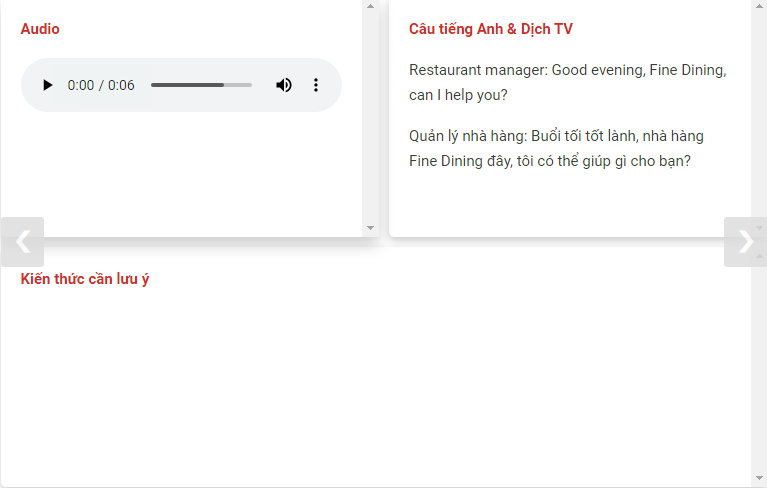
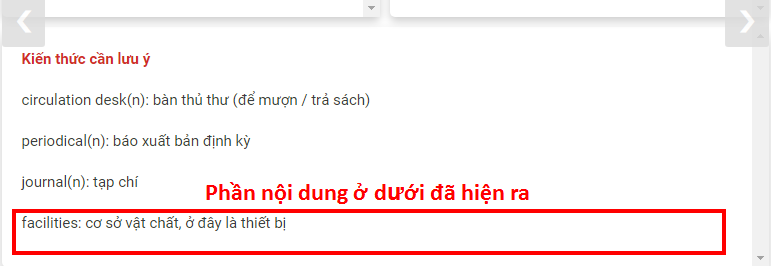
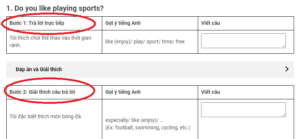
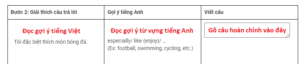
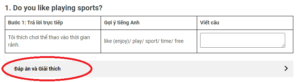
Các bạn hãy xem nghĩa và giải thích chi tiết cho từng câu tại đây nhé:
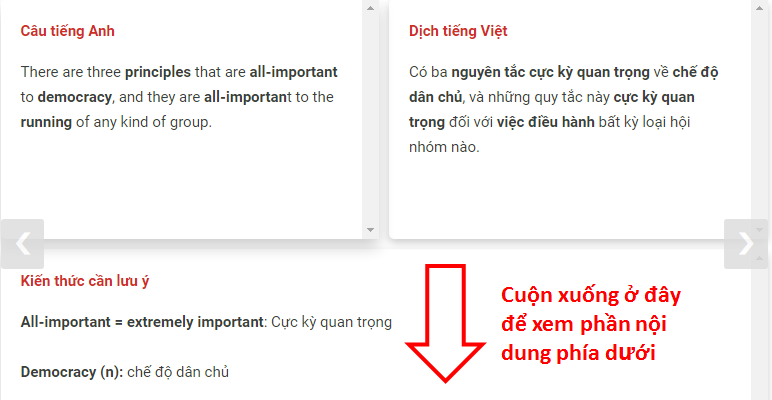
(Nhấp vào đây để xem hướng dẫn)
I firmly believe that young people should have the right to vote at 16.
Tôi tin chắc rằng những người trẻ tuổi nên có quyền bầu cử ở tuổi 16.
firmly believe: tin chắc rằng
I share your opinion on the issue of hunting. I’m a great believer in animals’ rights.
Tôi cùng quan điểm với bạn về vấn đề săn bắn. Tôi là một người rất tin tưởng vào quyền của động vật.
share your opinion on sth: cùng quan điểm về vấn đề gì
a great believer in sth: một người rất tin tưởng vào điều gì đó
Contrary to popular belief , it is not true that blondes are dumb.
Trái ngược với suy nghĩ thông thường, việc những cô gái tóc vàng thì ngốc nghếch là không đúng.
popular belief: suy nghĩ thông thường
We have reason to believe that you witnessed the accident.
Chúng tôi có lý do để tin rằng bạn đã chứng kiến vụ tai nạn.
have reason to believe: có lý do để tin rằng
We are poles apart in our attitudes to life.
Chúng ta hoàn toàn khác biệt nhau về thái độ sống.
poles apart: 2 cực khác nhau, hoàn toàn khác biệt với nhau
It’s a matter of opinion whether men are better drivers than women.
Việc nam giới có lái xe tốt hơn phụ nữ hay không phụ thuộc vào quan điểm mỗi người.
a matter of opinion: một vấn đề phụ thuộc quan điểm của mỗi người (quan điểm của mọi người sẽ khác nhau)
I had a difference of opinion with my brother.
Tôi có khác biệt về quan điểm với anh trai mình.
difference of opinion: khác biệt về quan điểm
I’ve got a sneaking suspicion you may be right.
Tôi đã thầm nghĩ rằng bạn có thể đúng.
get a sneaking suspicion: thầm nghĩ
B. More formal ways of discussing beliefs

Look at this extract from a student essay and notice the collocations referring to beliefs.
The writer seems to make assumptions based on an unshakeable belief in the superiority of her own value system. She seems to be unaware of the extent to which her own set of beliefs has coloured her judgement. Her research leads her to conclude that military action was justified. However, her evidence is based on one single document and attaches too much importance to this. I do not trust her judgement. Moreover, other documents cast doubt on her conclusions. Opinions on the issue are divided and my own considered opinion is that the writer is not to be trusted. I have serious misgivings about her research and I have doubts about the accuracy of some of her facts.
(Nhấp vào đây để xem hướng dẫn)
The writer seems to make assumptions based on an unshakeable belief in the superiority of her own value system.
Người viết dường như đưa ra các giả định dựa trên một niềm tin vững chắc vào tính ưu việt của hệ thống giá trị của riêng cô ấy.
make assumptions: đưa ra giả định
unshakeable belief: niềm tin vững chắc, không thể lay chuyển
She seems to be unaware of the extent to which her own set of beliefs has coloured her judgement
Cô ấy dường như không nhận thức được mức độ mà hệ thống niềm tin của chính cô ấy đã ảnh hưởng đến sự suy xét của cô ấy.
set of beliefs: hệ thống niềm tincolour sb’s judgement: ảnh hưởng đến suy xét của ai (thường là khiến họ bớt công bằng / suy nghĩ hợp lý đi đi)
Her research leads her to conclude that military action was justified.
Nghiên cứu của cô khiến cô kết luận rằng hành động quân sự là chính đáng.
lead sb to conclude: khiến ai kết luận rằng
However, her evidence is based on one single document and attaches too much importance to this.
Tuy nhiên, bằng chứng của cô ấy chỉ dựa trên một tài liệu duy nhất và quá coi trọng điều này.
evidence is based on: bằng chứng dựa trênattach importance to sth: coi trọng cái gì
I do not trust her judgement. Moreover, other documents cast doubt on her conclusions
Tôi không tin tưởng vào phán đoán của cô ấy. Hơn nữa, các tài liệu khác nghi ngờ kết luận của cô ấy
trust sb’s judgement: tin tưởng vào phán đoán của ai
Opinions on the issue are divided and my own considered opinion is that the writer is not to be trusted.
Các ý kiến về vấn đề này đang bị chia rẽ và quan điểm của riêng tôi sau khi cân nhắc cẩn thận là người viết không đáng tin cậy.
(opinion) be divided: bị chia rẽ (có các quan điểm đối lập nhau)considered opinion: quan điểm sau khi đã cân nhắc suy nghĩ kỹ
I have serious misgivings about her research and I have doubts about the accuracy of some of her facts.
Tôi cực kỳ nghi ngờ về nghiên cứu của cô ấy và tôi nghi ngờ về tính chính xác của một số dữ kiện của cô ấy.
have serious misgivings about: cực kỳ nghi ngờ về điều gìhave doubts: nghi ngờ
C. Some error warnings
The expressions in this table are collocations that learners often have difficulty with.
| Collocation | Comment |
|---|---|
| I hope you’ll come to my party. | NOT wish |
| They’ve given up hope of any survivors. | NOT the hope |
| We need to think hard about this problem. | NOT consider hard – could be consider this problem carefully |
| I wish they would just leave me alone. | NOT let |
| Many people hold the view/opinion that … | NOT meaning |
| He has strong opinions on many subjects. | NOT heavy or big |
(Nhấp vào đây để xem hướng dẫn)
I hope you’ll come to my party.
Tôi hy vọng bạn sẽ đến bữa tiệc của tôi.
hope sb’ll come: hy vọng rằng ai đó sẽ đến (chúng ta không nói “wish sb’ll come”)
They’ve given up hope of any survivors.
Họ đã từ bỏ hy vọng về những người sống sót.
give up hope: từ bỏ hy vọng (chúng ta không nói “give up the hope)
We need to think hard about this problem. (NOT consider hard – could be consider this problem carefully)
Chúng ta cần suy nghĩ kỹ về vấn đề này.(Chúng ta không nói là “consider hard” – chúng ta có thể nói là “consider this problem carefully” – cân nhắc vấn đề này một cách cẩn thận)
think hard: suy nghĩ kĩconsider carefully: cân nhắc cẩn thận
I wish they would just leave me alone.
Tôi ước gì họ sẽ để tôi yên.
leave sb alone: để ai đó yên (chúng ta không nói “let sb alone”)
Many people hold the view/opinion that …
Nhiều người giữ quan điểm / ý kiến rằng…
hold the view/opinion: giữ quan điểm / ý kiến
(chúng ta không nói “hold the meaning”)
He has strong opinions on many subjects.
Anh ấy có quan điểm mạnh mẽ về nhiều chủ đề.
have strong opinions: có quan điểm mạnh mẽ
(chúng ta không nói “have heavy/big opinions”)
D. Exercise
Bài 1: Nhìn vào phần A. Điền collocations thích hợp vào chỗ trống để hoàn thành những lá thư sau cho một tờ báo.
| Sir/Madam, I (1)__________the opinion of your correspondent that the EU has brought peace to Europe, but I cannot agree that a single currency for all of Europe is necessary. It is a (2)__________of opinion whether economic stability can be maintained with one currency, and there is (3)__________ to believe that some European economies were more stable before they joined the euro. Yours, L. Knight | Sir/Madam, According to popular (4) __________ the war between Gronbia and Karzkut started with a (5) __________ of opinion over how best to preserve the beautiful mountain environment on both sides of the border between them. The two countries were apparently (6) __________ apart on how to approach the issue, and war resulted. If this is indeed true, how stupid can human beings become? Yours sincerely, B. Stephenson | Sir/Madam, While I (7)__________ believe in the right of everyone to own a car, I am also a great (8) __________ in keeping fit and healthy. The government tells us we must take exercise, but I have a (9)__________ suspicion that they are afraid of saying we should sell our cars because they would lose billions in road taxes. Yours, S. Adams |
1.
2.
3.
4.
5.
6.
7.
8.
9.
Bài 2: Sửa 7 lỗi sai liên quan đến collocation trong đoạn văn sau
I wish we can solve a big problem we have regarding our student committee. Opinions are separated about how to approach the issue and, naturally, some members have very heavy opinions. Some of their views are based on their unstirred belief that they are always right and that no one can challenge their group of beliefs. My own thoughtful opinion is that we should have new elections, but I know that others have quite a different meaning.
1.
2.
3.
4.
5.
6.
7.
Bài 3: Điền những động từ sau đây vào chỗ trống thích hợp (có 1 động từ được sử dụng 2 lần)
cast colour attach
make have trust
1. assumptions
2. somebody’s judgement
3. somebody’s judgement
4. importance to
5. doubt on
6. serious misgivings
7. doubts
Bài 4 : Điền những từ sau đây vào chỗ trống thích hợp để được một collocation hoàn chỉnh
apart belief believe hard
opinions suspicion doubt
1. poles
2. sneaking
3. strong
4. popular
5. cast
6. firmly
7. think
Điểm số của bạn là % – đúng / câu
E. Practice
Part 2
Describe a time when you changed your opinion
You should say:
– what the original opinion was
– why you changed it
– when it was
– and how you felt about it.
(*) Cố gắng sử dụng 1 số collocations Gợi ý để hình thành câu trả lời. Lưu ý là bạn KHÔNG cần dùng tất cả collocations này trong câu trả lời của mình, chỉ cần chọn ra 1 vài collocations hữu ích.
Collocations (*)
evidence is based on, firmly believe, share your opinion on sth, popular belief, have reason to believe, poles apart, a matter of opinion, difference of opinion, think hard, consider carefully, hold the view/opinion, have strong opinions
Part 3
1. Do children like to change their opinion?
Collocations (*)
firmly believe, popular belief, have reason to believe, a matter of opinion, difference of opinion, think hard, consider carefully, hold the view/opinion, have strong opinions, considered opinion
2. Why do people change their opinions?
Collocations (*)
trust sb’s judgement, firmly believe, popular belief, have reason to believe, a matter of opinion, difference of opinion, think hard, consider carefully, hold the view/opinion, have strong opinions, attach importance to sth
3. Who do young people turn to for advice?
Collocations (*)
have serious misgivings about, firmly believe, popular belief, have reason to believe, a matter of opinion, difference of opinion, think hard, consider carefully, hold the view/opinion, have strong opinions, have doubts