(Nguồn: Oxford Read & Discover)
Tiếp tục với series bài đọc cải thiện từ vựng cho các bạn, hãy cùng IZONE bổ sung thêm kiến thức với bài đọc sau nhé!
A. Bài Đọc
(Nhấn vào đây để xem hướng dẫn)
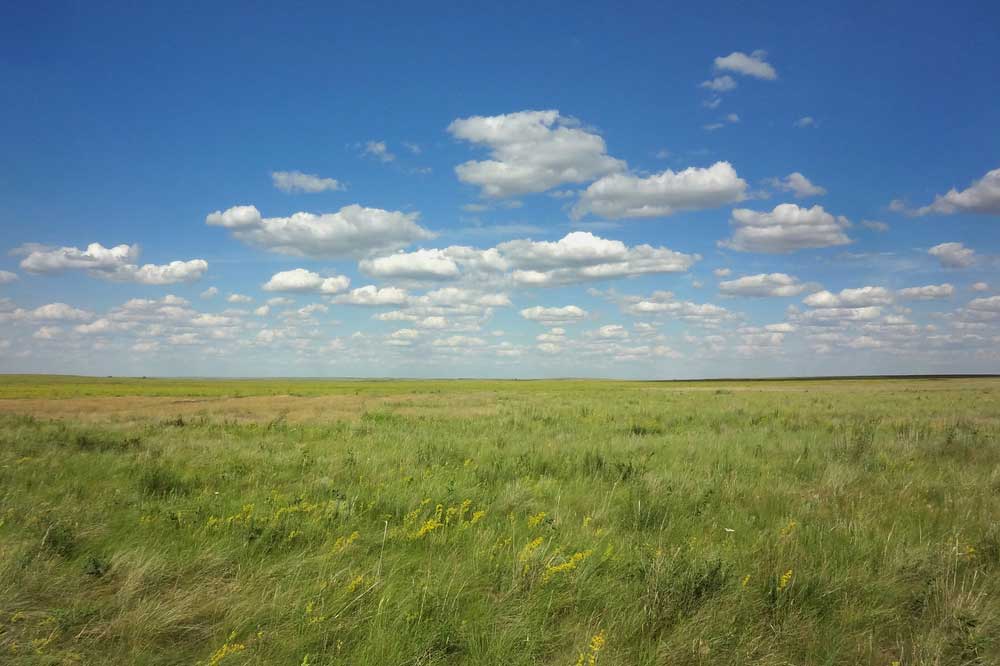
Grasslands are places with many types of grass and few trees
Đồng cỏ là những vùng với nhiều loại cỏ khác nhau và ít cây.
Grassland (n): đồng cỏ
Few + danh từ số nhiều đếm được
In grasslands it doesn’t rain very much
Trong các đồng cỏ không mưa nhiều.
If it rained more, more trees would grow and grasslands would become forests
Nếu trời mưa nhiều hơn, cây sẽ mọc nhiều hơn và đồng cỏ sẽ biến thành rừng rậm
Câu điều kiện loại 2: If + S + Ved, S + would + Vinf
If it rained less, grasslands would become deserts.
Nếu mưa ít đi, các đồng cỏ sẽ trở thành sa mạc.
Câu điều kiện loại 2: If + S + Ved, S + would + Vinf
Grasslands are often found between deserts and forests.
Vùng đồng cỏ thường được thấy giữa sa mạc và rừng.
Cấu trúc câu bị động: to be + past participle
Grasses can live in hot, dry places because they have lots of long roots that go down into the soil and collect water.
Cỏ có thể sống trong các vùng khô nóng bởi chúng có bộ rễ dài đâm sâu vào đất và hút nước.
Grass (n): cỏ
Root (n): gốc rễ
Collect (v): thu thập
Mệnh đề quan hệ với that: That là đại từ quan hệ thay thế cho danh từ chỉ sự vật và làm chủ ngữ trong mệnh đề quan hệ.
Cấu trúc: … N + that + V + O
Grasses have long, thin leaves that lose less water than big leaves.
Cỏ có lá dài và mỏng mất ít nước hơn lá to.
Leaf (n): lá câySo sánh hơn: less water than
The leaves also grow from the bottom of the plant, not the top.
Lá sẽ mọc từ phần gốc của cây, không phải phần đầu.
Bottom: phần đáy, gốc
So when animals eat grass or walk on it, new grass leaves soon grow from the bottom of the plant.
Để khi động vật ăn cỏ và bước lên chúng, các lá cỏ mới sẽ nhanh chóng mọc lên từ dưới gốc của cây.
Small grassland animals, like butterflies and grasshoppers, eat grass and other plant leaves.
Các động vật đồng cỏ nhỏ, như bướm và châu chấu, ăn cỏ và các lá cây khác.
They also eat seeds, flowers, and roots. Most big grassland animals, like gazelles, kangaroos, and zebras, eat grass.
Chúng cũng ăn hạt, hoa và rễ cây. Phần lớn các động vật đồng cỏ lớn như linh dương, kangaroo, và ngựa vằn, ăn cỏ.
Many big grassland animals feed and live together in herds. Animals live in herds to be safe.
Nhiều loài động vật đồng cỏ lớn kiếm ăn và sống theo bầy đàn. Động vật sống trong bầy đàn để được an toàn.
Feed (v): kiếm ănHerd (n): bầy đàn
If a lion, cheetah, or other dangerous predator comes near, there are more eyes to see it.
Nếu một con sư tử, báo hoặc các loài thú săn mồi nguy hiểm đến gần, sẽ có nhiều đôi mắt cảnh giác hơn.
Predator (n): thú săn mồi
Câu điều kiện loại 1: If + S + V, …
When one animal starts to run, all other animals in the herd run too.
Khi một con bắt đầu chạy, tất cả các con còn lại trong đàn cũng chạy
The soil, plants, and animals in grasslands live and work together.
Đất, thực vật, và động vật trong đồng cỏ sống và hợp tác với nhau.
Prairie dogs are a good example of this.
Cầy thảo nguyên là một ví dụ tốt cho điều này.
Prairie dogs are a type of squirrel.
Cầy thảo nguyên là một loại sóc.
Squirrel (n): sóc
They eat plants and they live in burrows in grassland soil.
Chúng ăn cây cỏ và sống trong các hang hốc dưới lòng đất đồng cỏ.
Burrow (n): hang hốc
When they eat tall plants, sunlight can reach the ground and it can help small plants to grow.
Khi chúng ăn các loài thực vật cao, ánh nắng mặt trời chạm tới mặt đất và giúp cho các cây nhỏ lớn lên.
Reach (v): chạm tới
Prairie dog droppings add nutrients to the soil, and when the prairie dogs make burrows, they help to mix the soil.
Phân của cầy thảo nguyên giúp thêm dưỡng chất cho đất, và khi chúng đào hang, chúng đang giúp trộn đất lên.
Droppings (n): phân
Nutrient (n): dưỡng chất
Mix (v): trộn
Soil (n): đẩt, đất màu
The tunnels that they make also let more air and water into the soil.
Những đường hầm chúng tạo ra giúp đưa không khí và nước vào đất.
Tunnel (n): đường hầm
Mệnh đề quan hệ với that: That là đại từ quan hệ thay thế cho danh từ chỉ sự vật và làm chủ ngữ trong mệnh đề quan hệ.
Cấu trúc: … N + that + V + O
This is good for soil
Điều này tốt cho đất.
Good for something: tốt cho điều gì đó
When prairie dogs leave a burrow, other animals, like rabbits and snakes, live in it.
Khi cầy thảo nguyên rời hang, các loài động vật khác, như thỏ và rắn, sống ở trong đó.
Prairie dogs are also food for many other grassland animals, like snakes, foxes, and hawks.
Cầy thảo nguyên cũng là thức ăn của nhiều động vật đồng cỏ khác, như rắn, cáo, và diều hâu.
Fox (n): loài cáo
Hawk (n): diều hâu
Termites are insects, and they are important decomposers in some grassland ecosystems.
Mối là loài côn trùng, và là loài động vật phân giải quan trọng trong hệ sinh thái đồng cỏ.
Termite (n): loài mối
Insect (n): côn trùng
They take leaves and roots from dead grass plants to their nests, or termite mounds.
Chúng lấy lá và rễ từ các cây cỏ đã chết về tổ của chúng, hoặc gọi là gò mối
Nest (n): tổ
When old termite nests break and rot, nutrients from the plant parts in the nests go back into the soil.
Khi các tổ mối cũ vỡ và nát đi, các dưỡng chất từ các bộ phận cây trong tổ quay trở lại mặt đất.
Rot (v): hư nát
Plant parts: bộ phận của cây
These nutrients help new plants to grow.
Các dưỡng chất này giúp các loài thực vật mới phát triển.
Termites also help to clear dead plants off the grassland.
Loài mối còn giúp loại bỏ cây chết khỏi đồng cỏ.
Clear (v): loại bỏ
Clear sth off sth: loại bỏ cái gì khỏi nơi nào
If more and more dead plants stayed on the land, no new plants would be able to grow!
Nếu càng có nhiều cây chết ở lại trên mặt đất, không có cây mới nào được mọc lên.
Câu điều kiện loại 2: If + S + Ved, S + would + Vinf
Các bạn hãy nhìn lại toàn cảnh bài đọc nhé!
Đoạn giới thiệu
Grasslands are places with many types of grass and few trees. In grasslands it doesn’t rain very much. If it rained more, more trees would grow and grasslands would become forests. If it rained less, grasslands would become deserts. Grasslands are often found between deserts and forests.
Đoạn 1: Grasses
Grasses can live in hot, dry places because they have lots of long roots that go down into the soil and collect water. Grasses have long, thin leaves that lose less water than big leaves. The leaves also grow from the bottom of the plant, not the top. So when animals eat grass or walk on it, new grass leaves soon grow from the bottom of the plant
Đoạn 2: Grasslands Animals
Small grassland animals, like butterflies and grasshoppers, eat grass and other plant leaves. They also eat seeds, flowers, and roots. Most big grassland animals, like gazelles, kangaroos, and zebras, eat grass. Many big grassland animals feed and live together in herds. Animals live in herds to be safe. If a lion, cheetah, or other dangerous predator comes near, there are more eyes to see it. When one animal starts to run, all other animals in the herd run too.
Đoạn 3: Living Together in Grasslands
The soil, plants, and animals in grasslands live and work together. Prairie dogs are a good example of this. Prairie dogs are a type of squirrel. They eat plants and they live in burrows in grassland soil. When they eat tall plants, sunlight can reach the ground and it can help small plants to grow. Prairie dog droppings add nutrients to the soil, and when the prairie dogs make burrows, they help to mix the soil. The tunnels that they make also let more air and water into the soil. This is good for soil.
When prairie dogs leave a burrow, other animals, like rabbits and snakes, live in it. Prairie dogs are also food for many other grassland animals, like snakes, foxes, and hawks.
Đoạn 4: Termites
Termites are insects, and they are important decomposers in some grassland ecosystems. They take leaves and roots from dead grass plants to their nests, or termite mounds. When old termite nests break and rot, nutrients from the plant parts in the nests go back into the soil. These nutrients help new plants to grow. Termites also help to clear dead plants off the grassland. If more and more dead plants stayed on the land, no new plants would be able to grow!
B. Bài Tập
Sau khi đã hiểu rõ bài đọc, bạn hãy thử sức với bài tập sau nhé!
Bài 1: Nối các câu:
a, Go down into soil and collect water
b, Bottom of the plant, not the top.
c, Many types of grass and few trees
d, Between deserts and forests
1. Grasslands are places with
2. Grasslands are often found
3. Grasses have long roots that
4. The leaves of grasses grow from the
Bài 2: Sắp xếp thứ tự các từ thành 1 câu:
1. The soil/ live and work together/ plants, and animals/in grasslands. =>
2. eat tall plants,/sunlight can help/small plants/to grow./When prairie dogs =>
3. add nutrients/Prairie dogs/to the soil/droppings. =>
4. let air/tunnels/Prairie dog/into the soil./and water =>
Bài 3: Hoàn thiện các câu:
| nutrients | decomposers | plants | nests | grasslands |
1. Termites are important in some grasslands ecosystems.
2. Termites take leaves and roots from dead grass plants to their
3. When old termite nests break, from the plant parts go back into the soil.
4. Nutrients help new to grow.
5. Termites clear dead plants off the .
Điểm số của bạn là % – đúng / câu
C. Bảng Tổng Hợp Từ Vựng
Các bạn hãy xem lại các từ vựng trong bài ở bảng tổng hợp dưới đây nhé!
| Từ vựng | Nghĩa |
|---|---|
| Grassland (n) Grasslands are places with many types of grass and few trees. | Đồng cỏ Đồng cỏ là những vùng với nhiều loại cỏ khác nhau và ít cây. |
| Grass (n) Grasses can live in hot, dry places because they have lots of long roots that go down into the soil and collect water. | Cỏ Cỏ có thể sống trong các vùng khô nóng bởi chúng có bộ rễ dài đâm sâu vào đất và hút nước. |
| Root (n) Grasses can live in hot, dry places because they have lots of long roots that go down into the soil and collect water. | Gốc rễ Grasses can live in hot, dry places because they have lots of long roots that go down into the soil and collect water. |
| Collect (v) Grasses can live in hot, dry places because they have lots of long roots that go down into the soil and collect water. | Thu thập Grasses can live in hot, dry places because they have lots of long roots that go down into the soil and collect water. |
| Leaf (n) Grasses have long, thin leaves that lose less water than big leaves | Lá cây Cỏ có lá dài và mỏng mất ít nước hơn lá to. |
| Bottom (n) The leaves also grow from the bottom of the plant, not the top. | Phần đáy, gốc Lá sẽ mọc từ phần gốc của cây, không phải phần đầu. |
| Feed (v) Many big grassland animals feed and live together in herds | Kiếm ăn Nhiều loài động vật đồng cỏ lớn kiếm ăn và sống theo bầy đàn. |
| Herd (n) Many big grassland animals feed and live together in herds | Bầy đàn Nhiều loài động vật đồng cỏ lớn kiếm ăn và sống theo bầy đàn. |
| Predator (n) If a lion, cheetah, or other dangerous predator comes near, there are more eyes to see it. | Thú săn mồi Nếu một con sư tử, báo hoặc các loài thú săn mồi nguy hiểm đến gần, sẽ có nhiều đôi mắt cảnh giác hơn. |
| Squirrel (n) Prairie dogs are a type of squirrel. | Sóc Cầy thảo nguyên là một loại sóc. |
| Burrow (n) They eat plants and they live in burrows in grassland soil. | Hang hốc Chúng ăn cây cỏ và sống trong các hang hốc dưới lòng đất đồng cỏ. |
| Reach (v) When they eat tall plants, sunlight can reach the ground and it can help small plants to grow. | Chạm tới Khi chúng ăn các loài thực vật cao, ánh nắng mặt trời chạm tới mặt đất và giúp cho các cây nhỏ lớn lên. |
| Droppings (n) Prairie dog droppings add nutrients to the soil | Phân Phân của cầy thảo nguyên giúp thêm dưỡng chất cho đất |
| Nutrients Prairie dog droppings add nutrients to the soil | Dưỡng chất Phân của cầy thảo nguyên giúp thêm dưỡng chất cho đất |
| Mix (v) They help to mix the soil. | Trộn Chúng đang giúp trộn đất lên |
| Soil (n) They help to mix the soil. | Đất, đất màu Chúng đang giúp trộn đất lên |
| Tunnel (n) The tunnels that they make also let more air and water into the soil. | Đường hầm Những đường hầm chúng tạo ra giúp đưa không khí và nước vào đất. |
| Fox (n) Prairie dogs are also food for many other grassland animals, like snakes, foxes, and hawks. | Loài cáo Cầy thảo nguyên cũng là thức ăn của nhiều động vật đồng cỏ khác, như rắn, cáo, và diều hâu. |
| Hawk (n) Prairie dogs are also food for many other grassland animals, like snakes, foxes, and hawks. | Diều hâu Cầy thảo nguyên cũng là thức ăn của nhiều động vật đồng cỏ khác, như rắn, cáo, và diều hâu. |
| Termite (n) Termites are insects, and they are important decomposers in some grassland ecosystems. | Loài mối Mối là loài côn trùng, và là loài động vật phân giải quan trọng trong hệ sinh thái đồng cỏ. |
| Insect (n) Termites are insects, and they are important decomposers in some grassland ecosystems. | Côn trùng Mối là loài côn trùng, và là loài động vật phân giải quan trọng trong hệ sinh thái đồng cỏ. |
| Nest (n) They take leaves and roots from dead grass plants to their nests, or termite mounds. | Tổ Chúng lấy lá và rễ từ các cây cỏ đã chết về tổ của chúng, hoặc gọi là gò mối |
| Rot (v) When old termite nests break and rot, nutrients from the plant parts in the nests go back into the soil. | Hư nát Khi các tổ mối cũ vỡ và nát đi, các dưỡng chất từ các bộ phận cây trong tổ quay trở lại mặt đất |
| Plant parts When old termite nests break and rot, nutrients from the plant parts in the nests go back into the soil. | Bộ phận của cây Khi các tổ mối cũ vỡ và nát đi, các dưỡng chất từ các bộ phận cây trong tổ quay trở lại mặt đất |
| Clear (v) Termites also help to clear dead plants off the grassland. | Loại bỏ Loài mối còn giúp loại bỏ cây chết khỏi đồng cỏ |