(Nguồn: Oxford Read & Discover)
Tiếp tục với series bài đọc cải thiện từ vựng cho các bạn, hãy cùng IZONE bổ sung thêm kiến thức với bài đọc sau nhé!
A. Bài Đọc
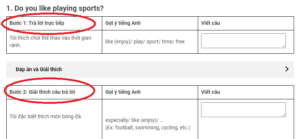
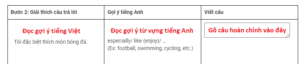
(Nhấn vào đây để xem hướng dẫn)
Your bones fit together to make a skeleton that supports your body.
Xương của bạn gắn liền với nhau để tạo ra một bộ xương hỗ trợ cho cơ thể của bạn.
Bone (n): xương
Skeleton (n): bộ xương
Support (v): hỗ trợ
Your muscles let you move around and do things.
Cơ bắp của bạn cho phép bạn đi lại và làm mọi việc
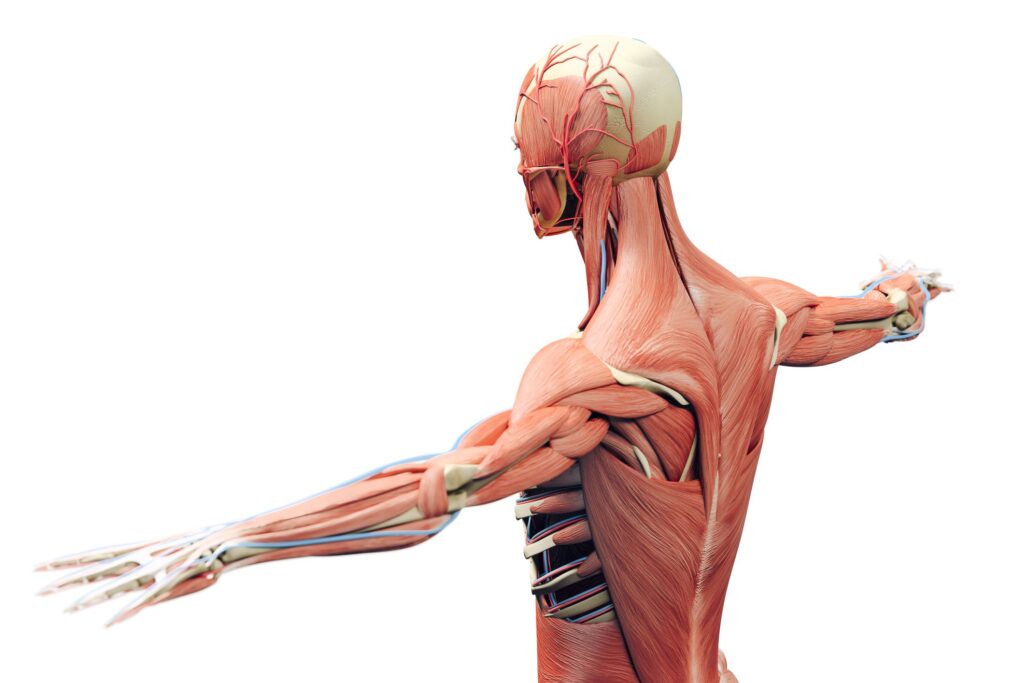
Muscle (n): cơ bắp
Move around: đi lại
Do you know how your bones and muscles work together?
Bạn có biết cách xương và cơ bắp của bạn làm việc với nhau?
Your skeleton has 206 different bones.
Bộ xương của ta có 206 xương khác nhau.
The largest bone in your body is the femur in the top of your leg
Chiếc xương lớn nhất trong cơ thể của ta là xương đùi ở phần trên của chân chúng ta.
So sánh nhất: Largest
Your smallest bones are the ossicles
Những xương nhỏ nhất của bạn là xương nhỏ
They are three tiny bones in each of your ears.
Chúng là ba chiếc xương nhỏ trong mỗi bên tai của chúng ta.
Some bones help to protect the soft parts inside your body.
Một vài chiếc xương giúp bảo vệ phần mềm ở trong cơ thể của bạn.
For example, your ribs protect your heart and lungs, and the bones in your skull protect your brain.
Ví dụ như, xương sườn của bạn bảo vệ tin và phổi, và những chiếc xương trong sọ của bạn bảo vệ bộ não.
Rib (n): xương sườn
Lungs (n): lá phổi
Skull (n): sọ
Some bones, like the ones in your skull, are solid.
Một vài chiếc xương, giống như những chiếc trong sọ của bạn, cứng.
Solid (adj): cứng, rắn
Other bones like the femur, are hard on the outside and have lots of tiny spaces inside.
Một vài chiếc xương khác như xương sườn, cứng ở bên ngoài và có nhiều khoảng không nhỏ ở bên trong.
Space (n): khoảng không
This makes them lighter and easier to move.
Điều này khiến chúng nhẹ hơn và dễ di chuyển hơn.
Tính từ so sánh hơn: lighter, easier
Large bones also have a soft, red part in the center, called marrow.
Xương lớn cũng có phần mềm và đỏ ở chính giữa, gọi là tủy.
Rút gọn mệnh đề quan hệ: “called marrow”
This is where your body grows new red blood cells
Đây là nơi cơ thể bạn tạo ra các tế bào máu mới.
Blood cell: tế bào máu
Mệnh đề quan hệ với where: where là trạng từ quan hệ thay thế cho danh từ chỉ sự vật và làm chủ ngữ trong mệnh đề quan hệ.
Cấu trúc: … N + where + V + O
Joints are places where bones meet and move together.
Khớp là nơi những chiếc xương gặp và di chuyển cùng nhau.
Joint (n): khớp
Mệnh đề quan hệ với where: where là trạng từ quan hệ thay thế cho danh từ chỉ sự vật và làm chủ ngữ trong mệnh đề quan hệ.
Cấu trúc: … N + where + V + O
Different joints work in different ways.
Các khớp khác nhau hoạt động theo các cách khác nhau.
For example, your hip can move in lots of ways, but your knee bends only one way.
Ví dụ như, hông của bạn có thể di chuyển theo nhiều cách khác nhau, nhưng đầu gối của bạn chỉ bẻ theo một cách.
Hip (n): hông
Knee (n): đầu gối
Bend (v): bẻ cong
Inside each joint, there is flexible cartilage
Ở trong mỗi khớp có sụn dẻo dai
Flexible (adj): dẻo dai
It stops the ends of the bones touching.
Nó ngăn các đầu xương chạm vào nhau.
That would hurt!
Nếu xảy ra thì đau lắm đấy!
A muscle is made of millions of long cells.
Một cơ được tạo ra bởi hàng triệu tế bào dài.
Cấu trúc câu bị động: to be + past participle (is made)
When these cells contract, they pull together.
Khi những tế bào này co rút, chúng kéo lẫn nhau
Contract (v): co rút
This makes the muscle shorter
Việc này làm cơ bắp ngắn lại.
When the cells relax, the muscle can get longer again, but another muscle needs to pull on it.
Khi các tế bào thả lỏng, cơ bắp trở nên dài ra, nhưng một cơ khác cần phải kéo nó lại.
Tính từ so sánh hơn: longer
That’s why your muscles always work together in pairs.
Đó là lý do tại sao các cơ bắp luôn làm việc theo cặp.
For example, when the bicep muscle in your arm contracts, it pulls on your tricep muscle.
Ví dụ như, khi bắp tay trước của bạn co lại, nó kéo bắp tay sau của bạn
Your tricep muscle relaxes and becomes longer
Cơ tay sau của bạn thả lỏng và trở nên dài ra.
Tính từ so sánh hơn: longer
You can contract and relax your voluntary muscles whenever you want.
Bạn có thể co rút và thả lỏng cơ tự nguyện của bạn bất cứ khi nào bạn muốn.
Voluntary (adj): tự nguyện
Whenever: bất cứ khi nào
For example, you can use your arm muscles to lift things.
Ví dụ như, bạn có thể dùng cơ tay của bạn để nâng các thứ.
Lift (v): nâng
Voluntary muscles are joined to your bones by strong fibers called tendons.
Cơ tự nguyện được nối liền với xương của bạn bởi các sợi khỏe gọi là gân.
Join (v): nối liền
Fiber (n): sợi
Cấu trúc câu bị động: to be + past participle (are joined)
Rút gọn mệnh đề quan hệ: “called tendons”
When the muscles contract, they pull on the tendons and move the bones.
Khi cơ bắp co rút, chúng kéo gân lại và di chuyển xương.
Some of your muscles work automatically
Một vài cơ bắp hoạt động tự động
You don’t need to think about controlling them.
Bạn không cần phải suy nghĩ để điều khiển chúng
These are involuntary muscles.
Chúng là cơ không tự nguyện
Involuntary (adj): không tự nguyện
Your heart is a good example.
Trái tim của bạn là một ví dụ tốt.
It never stops pumping blood.
Nó không bao giờ ngừng bơm máu.
There are involuntary muscles in your stomach, too.
Cũng có cơ không tự nguyện trong dạ dày của bạn.
Stomach (n): dạ dày, bụng
When you eat, these muscles contract and relax to mix your food.
Khi bạn ăn, những cơ này co rút và thả lỏng để trộn đồ ăn của bạn.
Your heart beats about 100,000 times every day. That’s more than 36,500,000 times every year
Tim của bạn đập 100000 lần một ngày. Đó là hơn 36,500,000 lần mỗi năm
Beat (v): đập
To grow muscles and to keep them strong, you need to eat food that has lots of protein.
Để tăng cơ bắp và giữ cho chúng khỏe mạng, bạn cần ăn đồ ăn có nhiều chất đạm
Grow muscle: tăng cơ
You can get protein from food like meat, fish, eggs, beans, and milk.
Bạn cần nạp chất đạm từ thức ăn như thịt, cá, trứng, đậu và sữa.
You also need calcium for strong bones and teeth
Bạn cũng cần canxi để xương và răng khỏe
You can get calcium from milk and dairy products.
Bạn có thể lấy canxi từ sữa và sản phẩm sữa.
Dairy (adj): (sản phẩm) từ sữa
Some vegetables, like spinach, also have lots of calcium.
Một vài rau củ, như rau bina, cũng chứa nhiều canxi
Các bạn hãy nhìn lại toàn cảnh bài đọc nhé!
Đoạn giới thiệu:
Your bones fit together to make a skeleton that supports your body. Your muscles let you move around and do things. Do you know how your bones and muscles work together?
Đoạn 1: Your Skeleton
Your skeleton has 206 different bones. The largest bone in your body is the femur in the top of your leg. Your smallest bones are the ossicles. They are three tiny bones in each of your ears. Some bones help to protect the soft parts inside your body. For example, your ribs protect your heart and lungs, and the bones in your skull protect your brain.
Đoạn 2: Inside your bones
Some bones, like the ones in your skull, are solid. Other bones like the femur, are hard on the outside and have lots of tiny spaces inside. This makes them lighter and easier to move. Large bones also have a soft, red part in the center, called marrow. This is where your body grows new red blood cells. Joints are places where bones meet and move together. Different joints work in different ways. For example, your hip can move in lots of ways, but your knee bends only one way. Inside each joint, there is flexible cartilage. It stops the ends of the bones touching. That would hurt!
Đoạn 3: Your Muscles
A muscle is made of millions of long cells. When these cells contract, they pull together. This makes the muscle shorter. When the cells relax, the muscle can get longer again, but another muscle needs to pull on it. That’s why your muscles always work together in pairs. For example, when the bicep muscle in your arm contracts, it pulls on your tricep muscle. Your tricep muscle relaxes and becomes longer. You can contract and relax your voluntary muscles whenever you want. For example, you can use your arm muscles to lift things. Voluntary muscles are joined to your bones by strong fibers called tendons. When the muscles contract, they pull on the tendons and move the bones.
Some of your muscles work automatically. You don’t need to think about controlling them. These are involuntary muscles. Your heart is a good example. It never stops pumping blood. There are involuntary muscles in your stomach, too. When you eat, these muscles contract and relax to mix your food.
Đoạn 4: Protein and Calcium
To grow muscles and to keep them strong, you need to eat food that has lots of protein. You can get protein from food like meat, fish, eggs, beans, and milk. You also need calcium for strong bones and teeth. You can get calcium from milk and dairy products. Some vegetables, like spinach, also have lots of calcium.
B. Bài Tập
Sau khi đã hiểu rõ bài đọc, bạn hãy thử sức với bài tập sau nhé!
Bài 1: Viết từ khớp với bộ phận cơ thể:

Bài 2: Chọn từ đúng
1. You have 26 bones in each of your hands/feet. –
2. Your biceps are muscles in your legs/arms. –
3. Your hip/knee joint can move in many ways. –
4. Some of your muscles/bones have spaces inside. –
5. Muscles get longer/shorter when they contract. –
Bài 3: Nối các câu đúng
Bài 4: Trả lời câu hỏi
Điểm số của bạn là % – đúng / câu
C. Bảng tổng hợp từ vựng
Các bạn hãy xem lại các từ vựng trong bài ở bảng tổng hợp dưới đây nhé!
Từ vựng | Nghĩa |
Bone (n)
| Xương
|
Skeleton (n)
| Bộ xương
|
Muscle (n)
| Cơ bắp
|
Move around
| Cử động
|
Solid (a)
| cứng, rắn
|
Rib (n)
| Xương sườn
|
Lungs (n)
| Phổi
|
Skull (n)
| Sọ
|
Space (n)
| Khoảng không
|
Blood cell
| Tế bào máu
|
Joint (n)
| Khớp
|
Hip (n)
| Hông
|
Knee (n)
| Đầu gối
|
Bend (v)
| Bẻ cong
|
Flexible (adj)
| Dẻo dai
|
Inside (prep)
| Ở trong
|
Contract (v)
| Co rút
|
Voluntary
| Tự nguyện
|
Lift (v)
| Nâng
|
Join (v)
| Nối liền
|
Fiber (n)
| Sợi
|
Tendon (n)
| Gân
|
Involuntary (adj)
| Không tự nguyện
|
Stomach (n)
| Dạ dày
|
Beat (v)
| Đập
|
Grow muscle
| Tăng cơ
|
Dairy (a)
| (sản phẩm) từ sữa
|